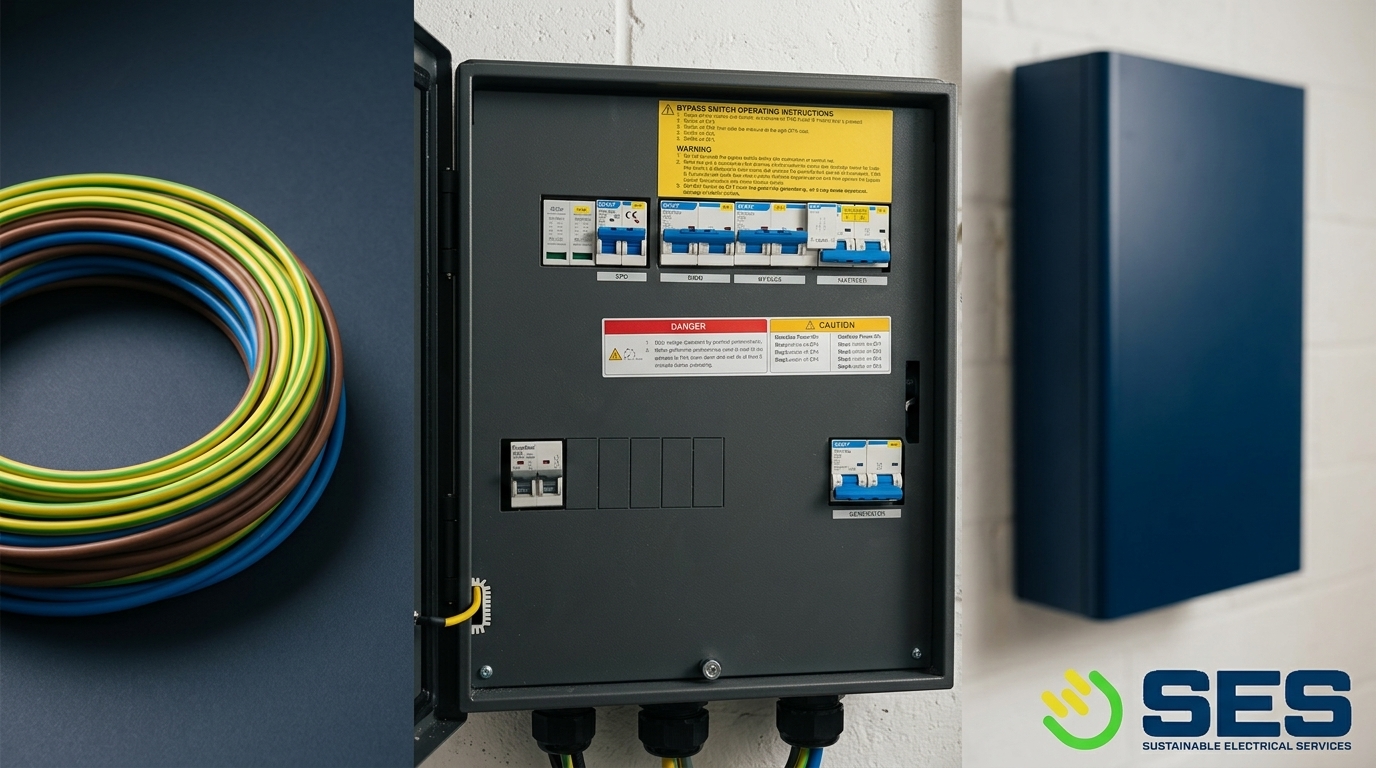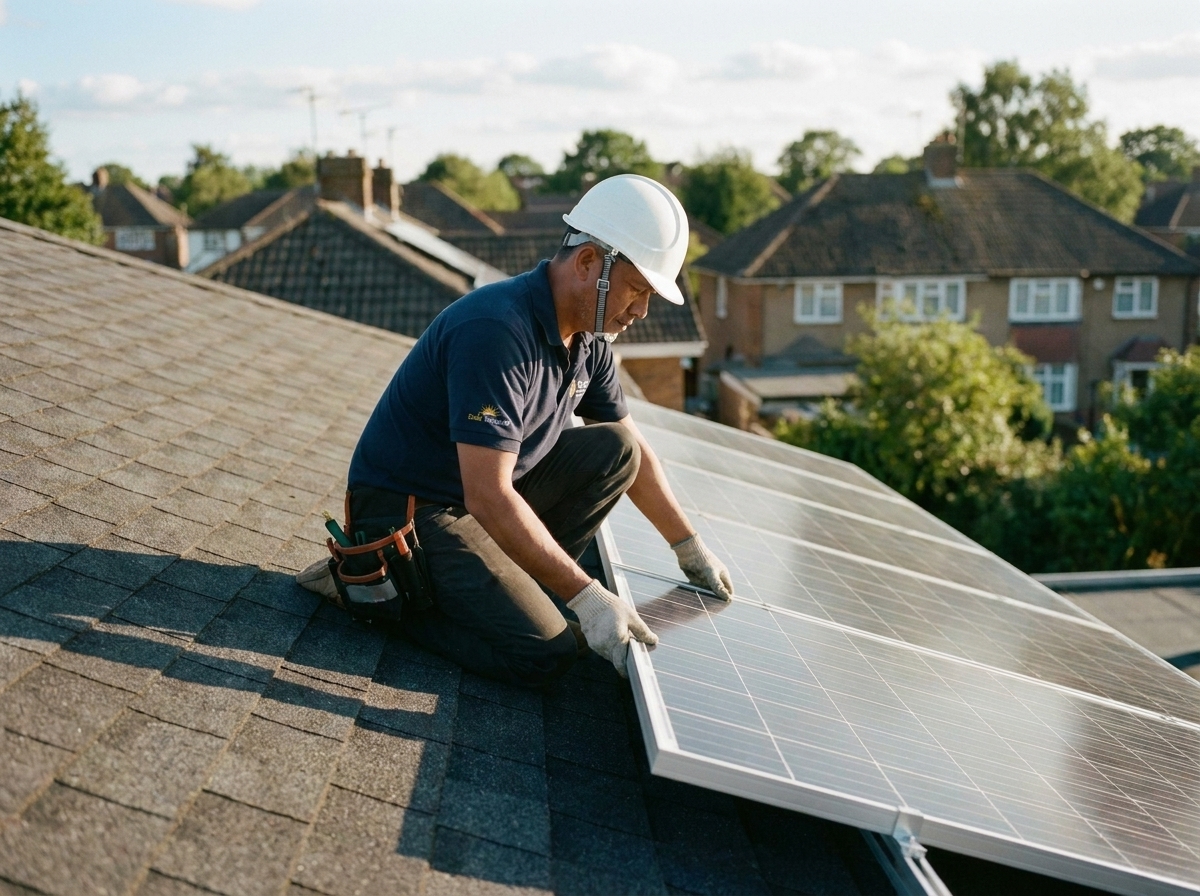
Delaying sustainable electrical upgrades can quietly drain your business’s budget and reputation. Rising energy prices and stricter regulations mean every month you wait adds hidden financial and environmental risks. In this post, you’ll learn why UK businesses sustainability depends on timely action with solutions like commercial solar PV London and workplace EV charging UK that protect your bottom line and compliance. Learn more about the financial benefits of climate transition planning.
Financial Impact of Postponing
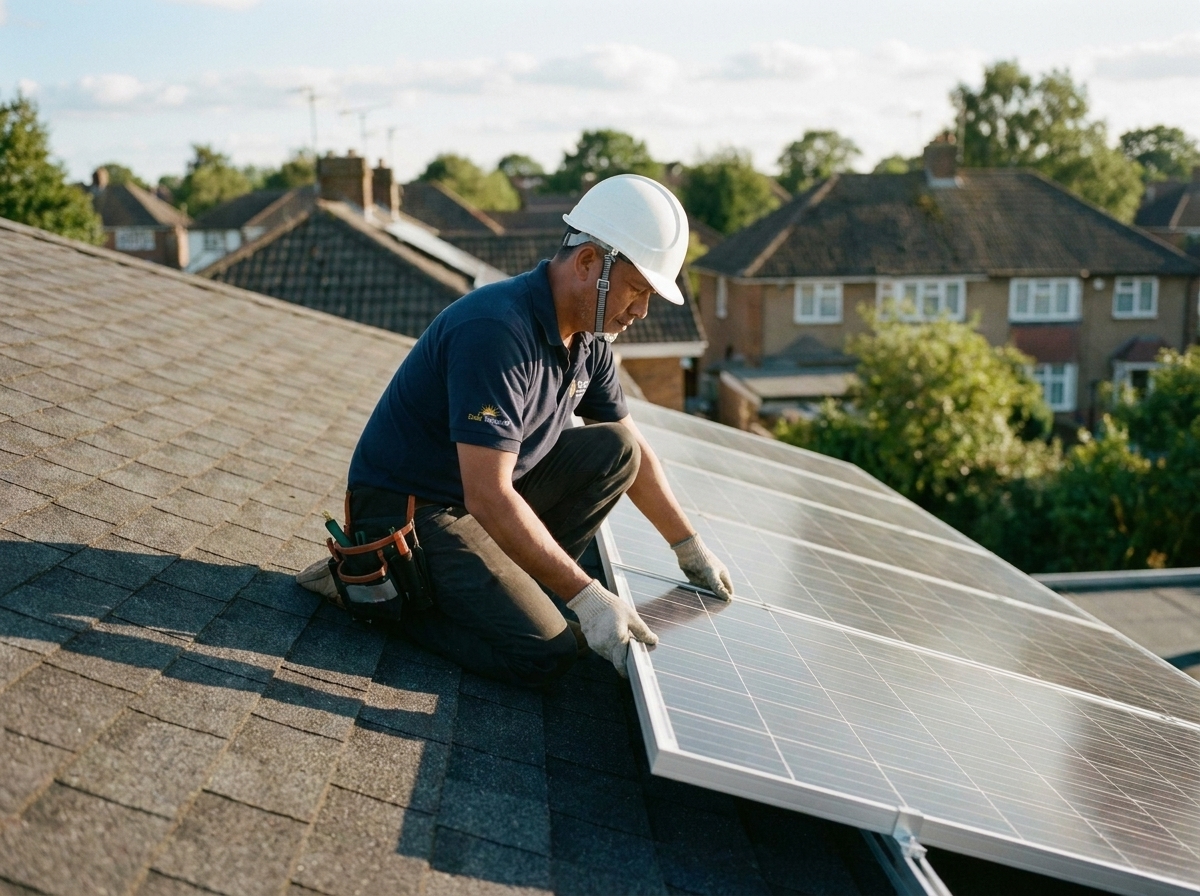
When it comes to upgrading your business’s electrical systems, delaying can have serious financial consequences. Let’s explore some of the key financial impacts you could face.
Rising Energy Costs in the UK
Energy prices have been climbing steadily in the UK. Businesses that don’t upgrade to more sustainable options like solar PV can find themselves paying significantly more than necessary. With every increase in energy costs, your overheads swell, cutting into your profit margins. Switching to renewable energy sources can help mitigate these rising costs, offering a stable and predictable energy bill. According to a report by EY, over half of UK businesses are worried about how energy costs might undermine their growth. Source
Missed Incentives and Grants
By postponing upgrades, you risk missing out on valuable government incentives and grants aimed at promoting sustainable practices. For instance, the OZEV Workplace Charging Scheme provides financial support for businesses implementing EV charging points. Missing these opportunities can mean higher initial costs in the future. It’s crucial to act swiftly to take advantage of these financial benefits while they’re still available.
Long-term Compliance Costs
Meeting new regulations often comes with a hefty price tag, especially if you delay your upgrades. The longer you wait, the more you might have to pay in compliance costs. Staying ahead of regulations not only saves money but also positions your business as a leader in sustainability. Ignoring compliance can lead to penalties and fines, which can be expensive. Being proactive ensures you avoid these extra costs.
Environmental Consequences of Delay

Delaying electrical upgrades isn’t just a financial matter—it’s an environmental one too. Waiting can affect your carbon footprint and your role in the broader ecological strategy.
Carbon Footprint Reduction Opportunities
Every moment you delay, your business continues to contribute more carbon emissions than necessary. By upgrading to solar PV or EV charging, you can significantly cut down on your carbon footprint. For example, a business installing solar panels can save up to 40% on energy consumption annually. This not only helps the planet but also enhances your brand image as an environmentally responsible company.
Impact on Grid Decarbonisation
Your upgrades have a broader impact beyond just your business. By switching to renewable energy, you play a part in decarbonising the national grid. This collective effort is crucial in meeting the UK’s sustainability targets. Businesses that act now contribute positively to this shift, whereas those that delay hold back progress. The longer you wait, the less you contribute to this essential change.
Role in Business Sustainability Strategy
Sustainability isn’t just a buzzword; it’s a business strategy. Integrating sustainable practices into your operations can provide long-term benefits, including cost savings and enhanced reputation. Delaying these upgrades can make it harder to align with your sustainability goals. Customers and partners increasingly prioritise working with businesses committed to sustainability, making this a critical aspect of your overall strategy.
Navigating Compliance and Standards
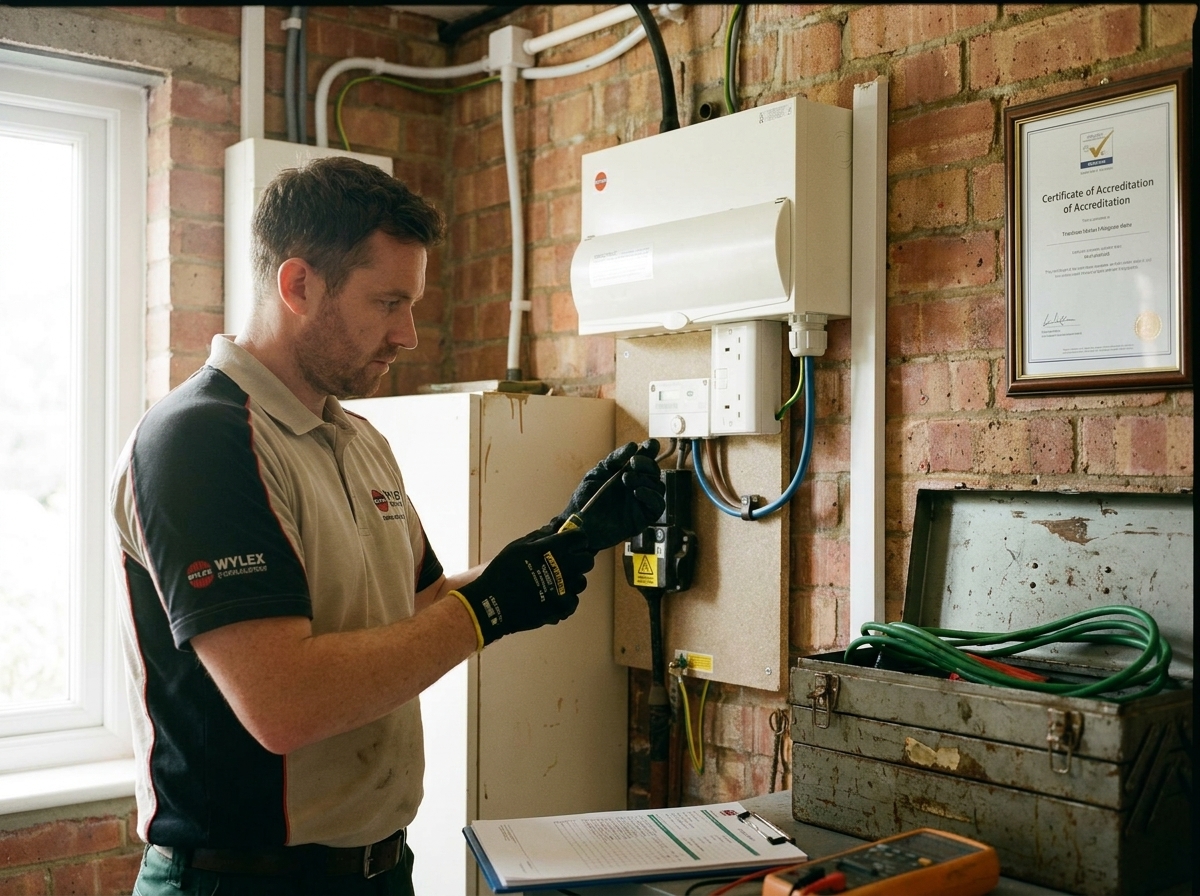
Understanding and meeting compliance and standards is essential for business success. Let’s dive into the specifics of what you need to consider.
Importance of ESOS Compliance
The Energy Savings Opportunity Scheme (ESOS) is a mandatory energy assessment scheme for organisations in the UK. Compliance can lead to improved energy efficiency and reduced costs. Non-compliance, however, can result in significant fines. Ensuring your business is ESOS compliant not only avoids penalties but helps you save on energy costs in the long run.
Meeting MEES Commercial Standards
The Minimum Energy Efficiency Standards (MEES) affect commercial properties across the UK. By not upgrading your property to meet these standards, you risk fines and potentially lower property values. Staying compliant ensures that your property remains legally rentable and retains its market value. Investing in upgrades now safeguards your assets for the future.
SECR Reporting Requirements
Streamlined Energy and Carbon Reporting (SECR) mandates that large businesses report on their carbon emissions and energy use. Non-compliance can lead to fines and reputational damage. By meeting SECR requirements, you not only avoid penalties but also demonstrate transparency and accountability to stakeholders. This can enhance your business’s credibility and appeal to eco-conscious customers and investors.
In conclusion, timely action on sustainable electrical upgrades provides clear financial, environmental, and compliance benefits. By taking the leap, your business can not only save money but also contribute to a greener future.
Act now to secure your energy future with tailored sustainable solutions.