A solar panel kit with battery and inverter might seem like a straightforward purchase. Yet, the real challenge lies in matching each part to your property’s unique energy needs and future plans. Without the right balance between panels, battery storage, and inverter capacity, you risk missing out on savings and reliability. Let’s explore how a carefully designed system brings clarity and control to your solar investment.
Understanding Solar Panel Kits
When considering a solar panel kit with battery and inverter, it’s essential to look beyond just the components. Instead, focus on how these elements fit into your property’s energy usage profile. Our guide on the Best Solar Battery for Home offers insight into choosing the right battery for efficiency and savings.
The Role of a Battery in Your System
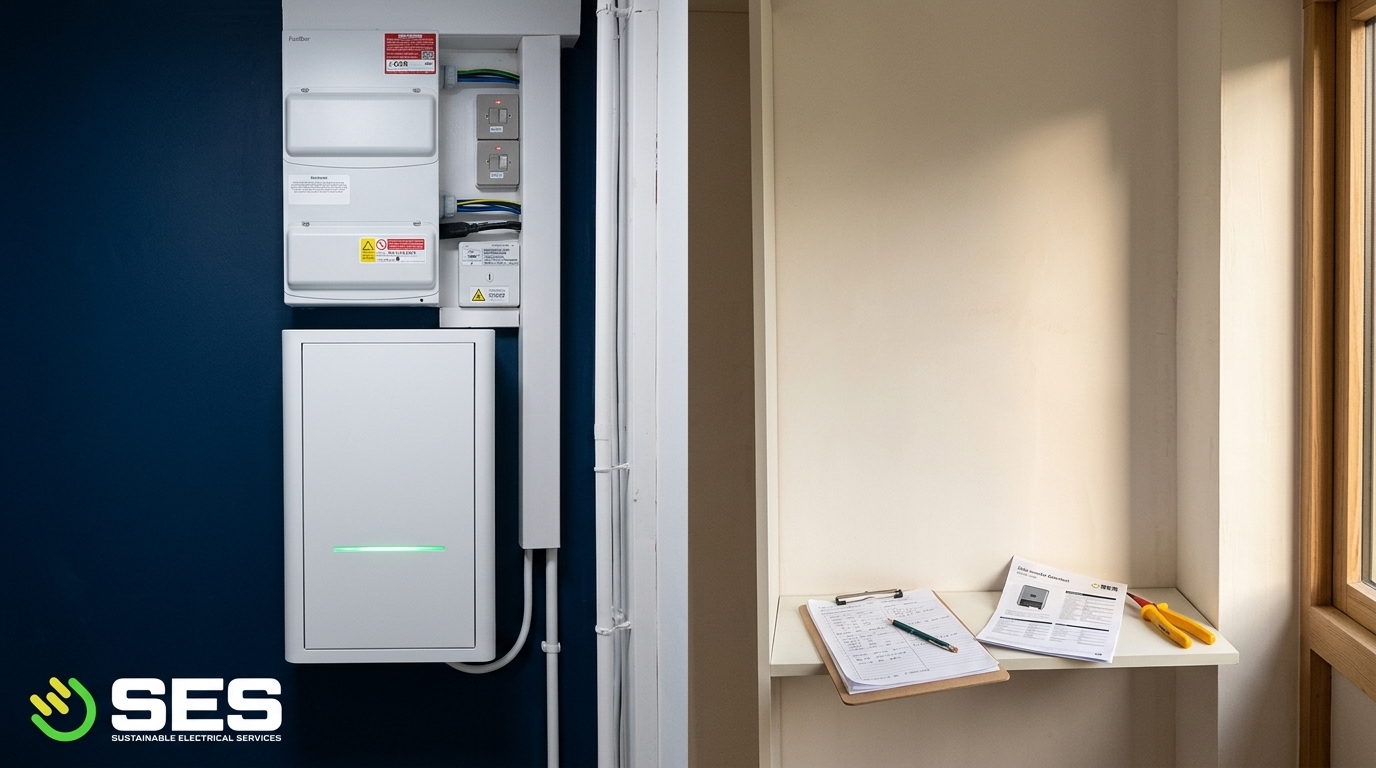
The battery is a pivotal part of your solar panel kit, impacting both performance and reliability. It is crucial to choose a battery that aligns with your home or business’s energy demands. For those interested in cutting-edge solutions, the Tesla Powerwall provides an example of how battery storage can enhance the functionality of your solar setup.
Choosing the Right Inverter
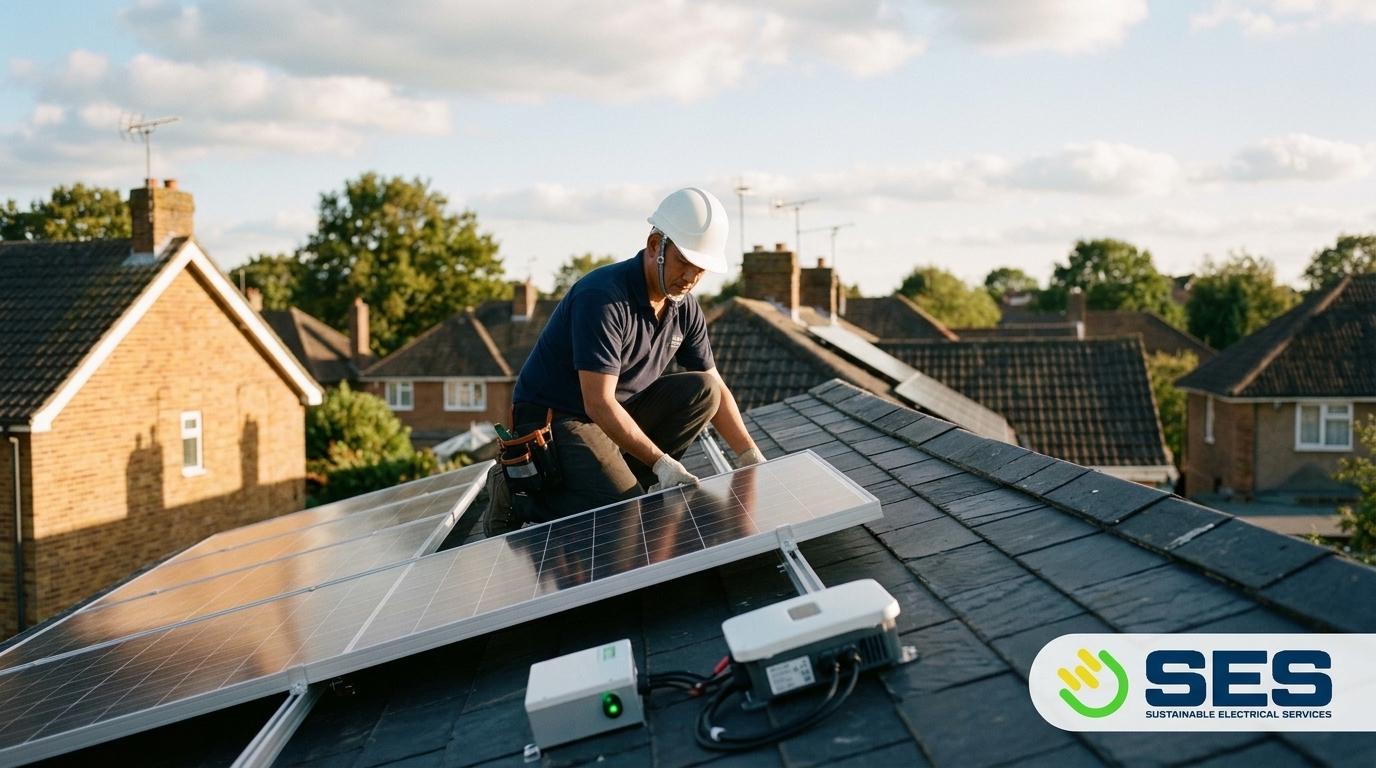
An inverter converts the DC electricity generated by solar panels into AC electricity, which is used by your appliances. Selecting an inverter with the appropriate capacity is vital for optimal performance. Our article on Lithium-ion solar batteries further explains when these batteries are an ideal choice for your setup.
By focusing on these key components — panels, battery storage, and inverter capacity — your solar investment can lead to significant savings and increased reliability.
Understanding Solar Panel Kits
When considering a solar panel kit with battery and inverter, it’s essential to understand how these components work together to meet your energy needs. Simply purchasing a kit isn’t enough; the real value comes from a system tailored to your property and energy use.
Components of a Solar Kit
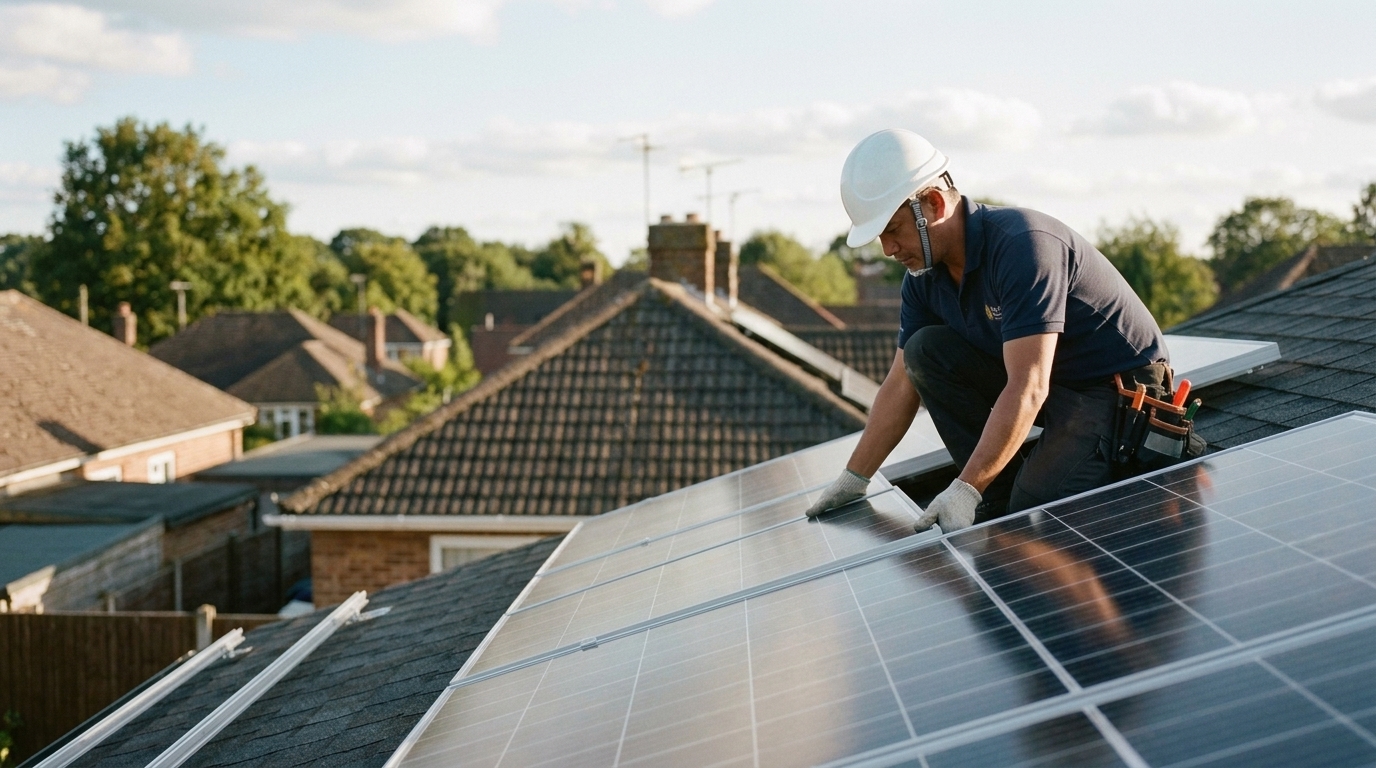
A solar panel kit typically includes panels, a battery, and an inverter. Each part plays a crucial role. The panels capture sunlight and convert it into electricity. The battery stores this energy for later use, ensuring you have power even when the sun isn’t shining. The inverter converts the generated DC power into AC power, which your home appliances use.
For instance, choosing the right battery is crucial. A well-sized battery can store enough energy to meet your nighttime needs, reducing reliance on the grid. Similarly, an inverter must match your system’s capacity, ensuring efficient energy conversion and minimal loss.
Importance of Proper Sizing
Proper sizing is vital for maximizing the efficiency of your solar panel kit. A system that’s too small won’t meet your energy needs, while an oversized one could waste resources. To find the right balance, you must consider your average energy consumption and future needs.
Imagine a household that consumes 30 kWh per day investing in a kit that only generates 25 kWh. They will still rely on the grid for additional power, missing out on potential savings. On the other hand, a system generating 50 kWh daily when only 30 kWh is needed results in wasted energy. Therefore, understanding your energy consumption is critical for choosing the right system size.
Aligning with Energy Needs
Aligning your solar kit with your energy needs ensures you get the most value from your investment. Start by analyzing your current energy usage and consider any future changes, like adding an electric vehicle or expanding your home.
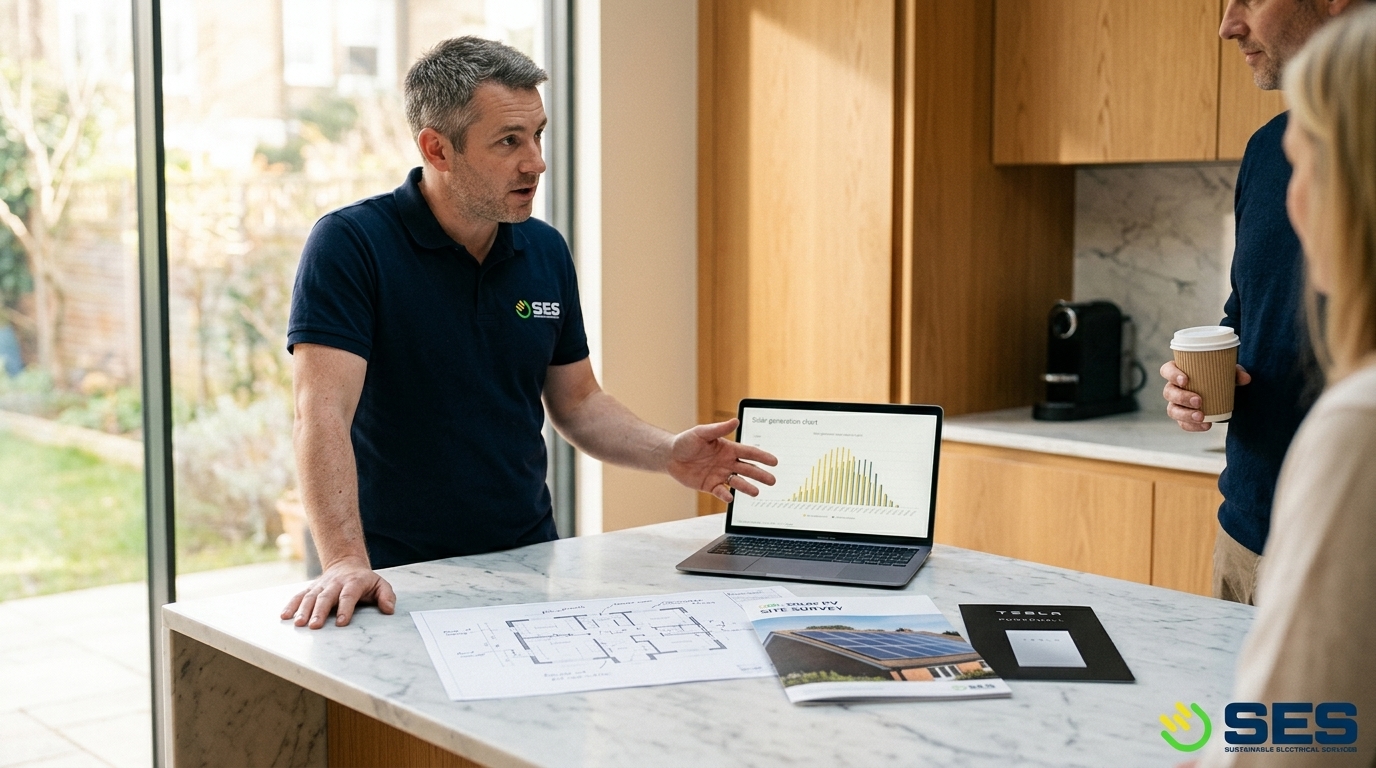
Consulting a professional can provide insights into how your system should be sized and configured. It’s not just about buying a kit; it’s about designing a system that fits your life. This approach offers peace of mind, knowing your energy needs are met efficiently and sustainably.
Evaluating Battery and Inverter

Moving beyond basic components, evaluating the battery and inverter options is crucial for a solar panel kit’s performance. These elements greatly influence your system’s efficiency and reliability.
Battery Storage Options
Choosing the right battery means understanding your storage needs. Lithium-ion batteries are popular due to their efficiency and lifespan. They are ideal for homes with moderate to high energy demands, offering quick charging and discharging capabilities.
For smaller setups or intermittent use, lead-acid batteries might suffice. They are more affordable but come with shorter lifespans and longer charge times. Your choice should reflect your energy needs and budget.
Decoding Inverter Capacity
The inverter’s capacity determines how effectively it converts solar power for your home’s use. A mismatch can lead to inefficiencies. If your inverter is too small, it won’t handle the power generated, limiting your system’s output. Conversely, an overly large inverter doesn’t improve performance and may increase costs unnecessarily.
Consider consulting an expert to ensure your inverter’s capacity aligns with your system. Accurate sizing optimizes energy conversion, enhancing overall system performance.
Impact on System Performance
The battery and inverter directly impact your solar kit’s performance. A well-matched system maximizes efficiency, ensuring you harness and use energy effectively. This results in lower energy bills and greater independence from the grid.
Properly evaluating these components is not just about performance; it’s about long-term savings and reliability. By focusing on the right battery and inverter, you set the foundation for a successful solar investment.
Tailoring to Property and Usage
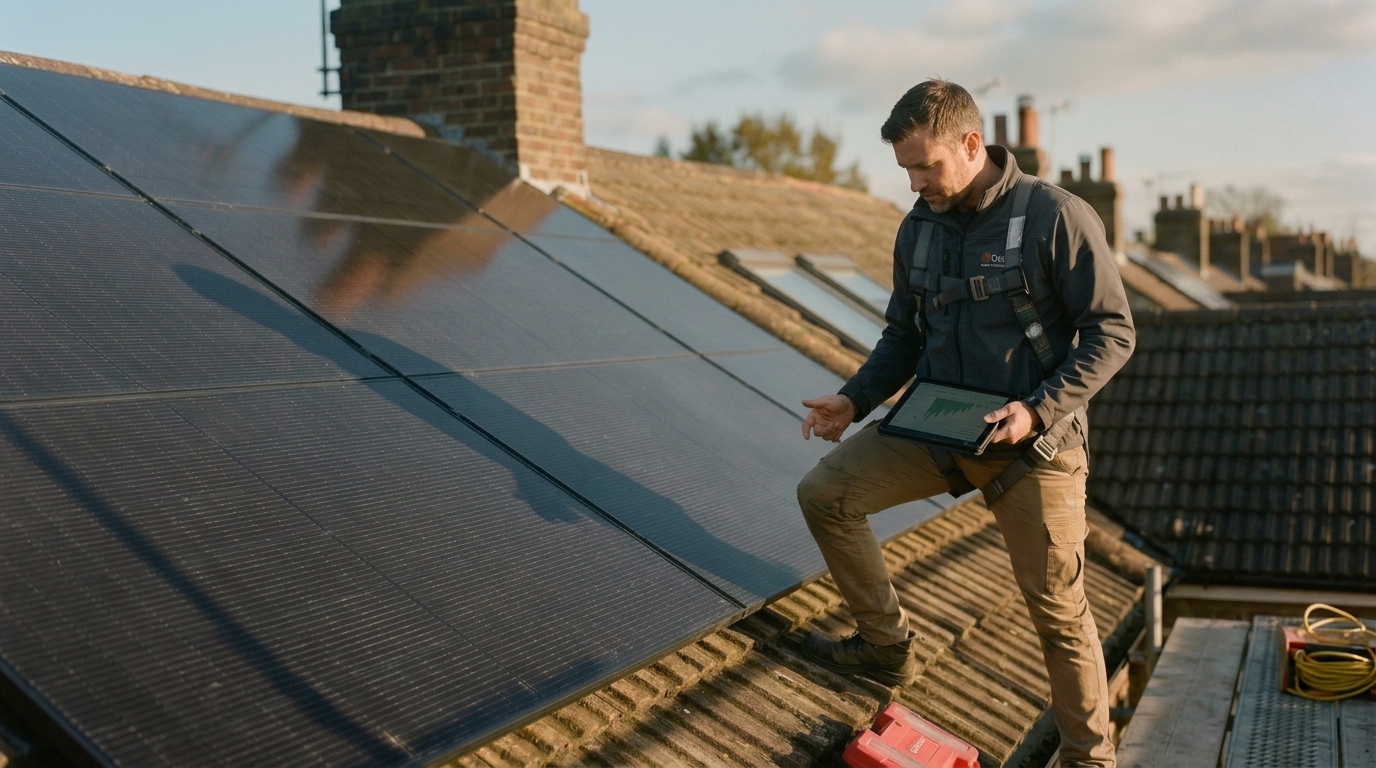
To truly benefit from a solar panel kit, it must be tailored to your property and usage patterns. This customization ensures your system meets your specific needs, offering maximum benefit.
Analysing Energy Usage Profile
Understanding your energy usage profile helps tailor your solar system. Track your energy consumption over several months to identify patterns. This data helps determine the appropriate system size and configuration.
For example, if your energy use spikes in the evening, ensure your battery can store enough power to cover this demand. A well-analyzed profile leads to a system designed for maximum efficiency and savings.
Importance of Roof Orientation
The orientation of your roof significantly affects solar panel efficiency. South-facing roofs generally receive the most sunlight, maximizing energy generation. However, east or west-facing roofs can also work with proper adjustments.
Conduct a shading analysis to ensure trees or buildings don’t block sunlight. Adjusting the panel angle or considering alternative mounting solutions can optimize performance even with less-than-ideal orientations.
Considering Future Energy Plans
Planning for future energy needs ensures your solar system remains effective over time. Consider potential changes, such as adding more appliances or converting to electric heating. A flexible system can accommodate these changes without needing a complete overhaul.
Discuss your future plans with a solar expert to ensure your system can adapt. This foresight provides long-term value and confidence in your solar investment.
Frequently Asked Questions
What components are included in a solar panel kit?
A typical solar panel kit includes solar panels, a battery for energy storage, and an inverter to convert DC power to AC power for home use.
How do I determine the right size for my solar system?
To size your solar system, analyze your energy consumption patterns and future needs. Consider consulting a professional for accurate sizing and configuration.
Why is roof orientation important for solar panels?
Roof orientation affects the amount of sunlight your panels receive. South-facing roofs are ideal, but proper adjustments can optimize other orientations. Conduct a shading analysis for best results.
By understanding these elements, you can make informed decisions about your solar panel kit with battery and inverter, ensuring a system that truly meets your needs.