Power cuts catch everyone off guard. When the lights flicker and devices go silent, your first thought might be to grab a portable generator. But not all generators suit every situation, and using one without proper care can create more problems than solutions. With over 30 years of electrical work in London and Surrey, we’ll help you understand when a portable generator fits your needs, when it’s just a short-term patch, and how to set it up safely and correctly. For more detailed guidance, you might find this generator buying guide helpful.
Understanding Portable Generators
Portable generators offer a quick solution when unexpected power cuts happen. But their role shouldn’t be overestimated. Let’s explore when they are useful and when you might need more.
When Generators Make Sense
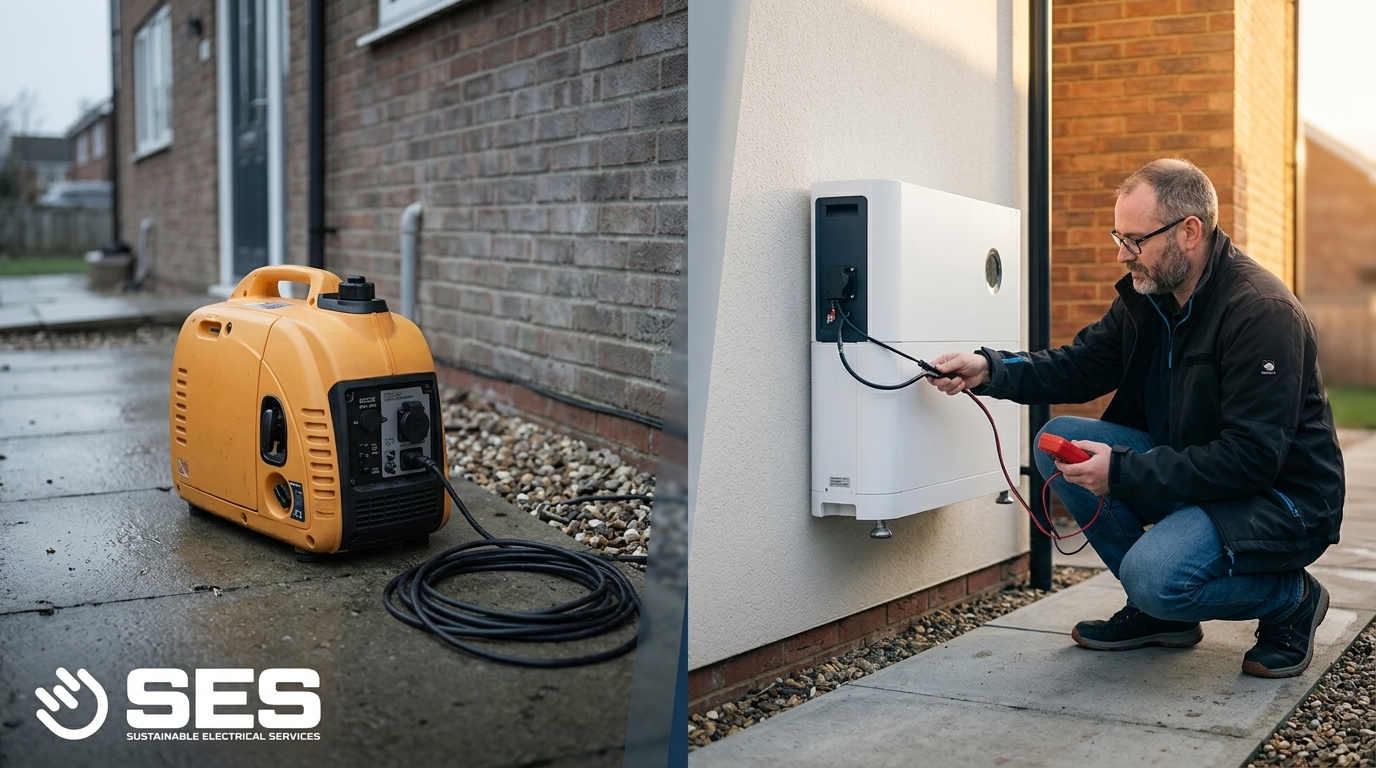
Portable generators are great for emergencies. They provide temporary electricity during short outages, keeping essentials like lights and refrigerators running. For businesses, they can prevent productivity losses during brief service interruptions. A portable generator is a practical choice if you need quick, short-term power for a few hours.
Situations Where They Fall Short
However, if power outages are frequent or prolonged, relying solely on a portable generator isn’t ideal. They can be noisy, require regular fuel, and may not support larger appliances or systems. For long-term power support or for running sensitive equipment, other solutions might be more appropriate. In cases where ongoing reliability is key, consider alternatives to avoid constant refuelling and maintenance.
Common Misconceptions
Many people think portable generators can handle any power load. In reality, pushing them beyond their capacity can cause them to fail or even pose safety risks. Always conduct a generator load calculation to ensure it meets your needs. Moreover, these units are not a substitute for permanent solutions in areas prone to frequent outages.
Safe Usage and Compliance
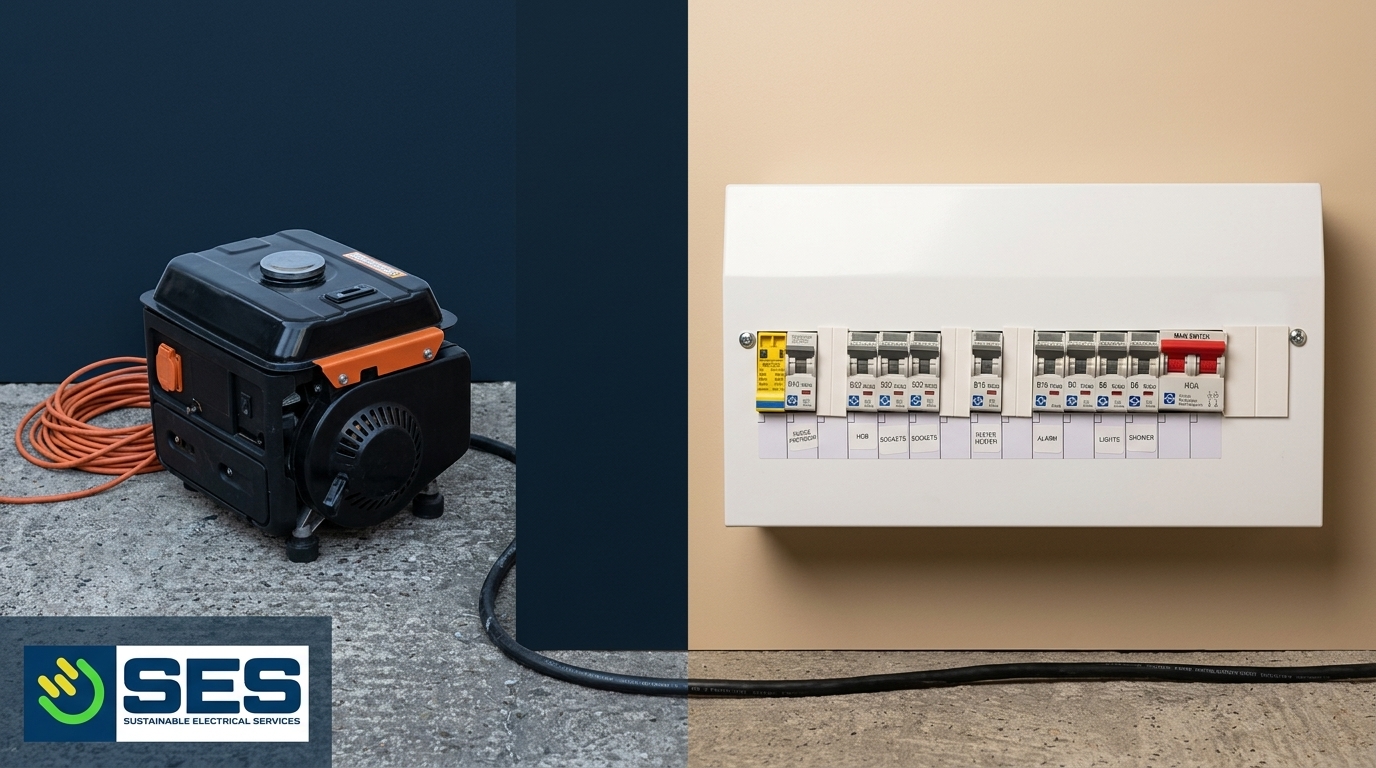
For those using portable generators in the UK, understanding safe setup is crucial. Compliance with safety standards ensures you and your home remain protected.
Safe Generator Setup UK
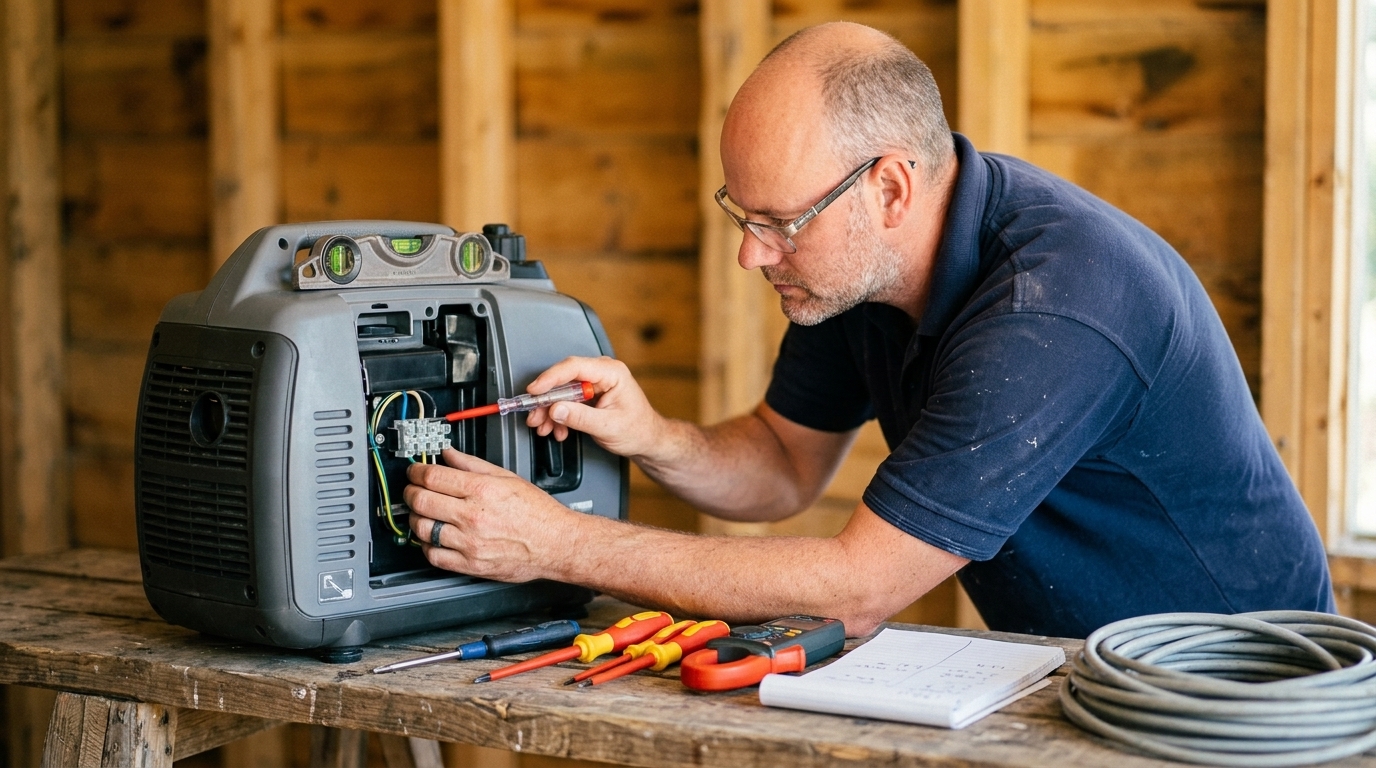
Setting up a generator safely requires careful planning. Always choose a well-ventilated area to place your generator to avoid carbon monoxide safety generator risks. The setup must comply with BS 7671 compliance. Following these guidelines ensures the safe operation and longevity of your generator.
Importance of Earthing and Bonding UK
Earthing and bonding are essential for safe generator use. Proper earthing prevents electric shocks, while bonding ensures that electrical systems operate safely. Make sure your generator setup adheres to these standards to protect both equipment and personnel.
Generator Changeover Switch Essentials
A generator changeover switch is vital if you plan to use a generator for your home. It safely transfers the power supply from the main grid to your generator. This prevents back-feeding, which can be dangerous for utility workers and your electrical system.
Alternative Backup Power Options
While portable generators provide a temporary fix, other solutions offer more sustainable and reliable energy support.
Inverter Generator vs Conventional
Inverter generators produce cleaner power, making them suitable for sensitive electronics. They’re quieter and often more fuel-efficient than conventional ones. Consider your specific needs when choosing between these types.
Solar PV with Battery UK
For a sustainable solution, solar PV with battery storage offers reliability without ongoing fuel costs or noise. It uses solar panels to charge a battery system, providing power even when the sun isn’t shining. For more on this, check out our Solar Panel Battery Installation guide.
UPS for Critical Circuits
A UPS for critical circuits is ideal for preventing data loss and protecting sensitive equipment. It provides immediate power during an outage, ensuring that critical devices remain operational without interruption.
Frequently Asked Questions
What is the main advantage of a portable generator?
Portable generators provide immediate, temporary power during unexpected outages. They’re easy to deploy and can keep essential appliances running during short-term power loss.
How do I safely set up a portable generator in the UK?
Place your generator in a well-ventilated area to avoid carbon monoxide risks. Ensure compliance with BS 7671 standards for safe operation.
What should I consider when choosing between an inverter and a conventional generator?
Consider the power needs of your devices. Inverter generators provide cleaner power for sensitive electronics, are quieter, and more fuel-efficient, but often come at a higher cost.
Why is earthing important for generators?
Earthing prevents electric shocks and ensures safe operation of your electrical systems. It’s crucial for protecting both equipment and people from electrical faults.
What are alternative backup power options to portable generators?
Consider solar PV with battery storage for sustainable power, or a UPS system for protecting critical circuits. Both offer reliable and long-term solutions compared to portable generators.