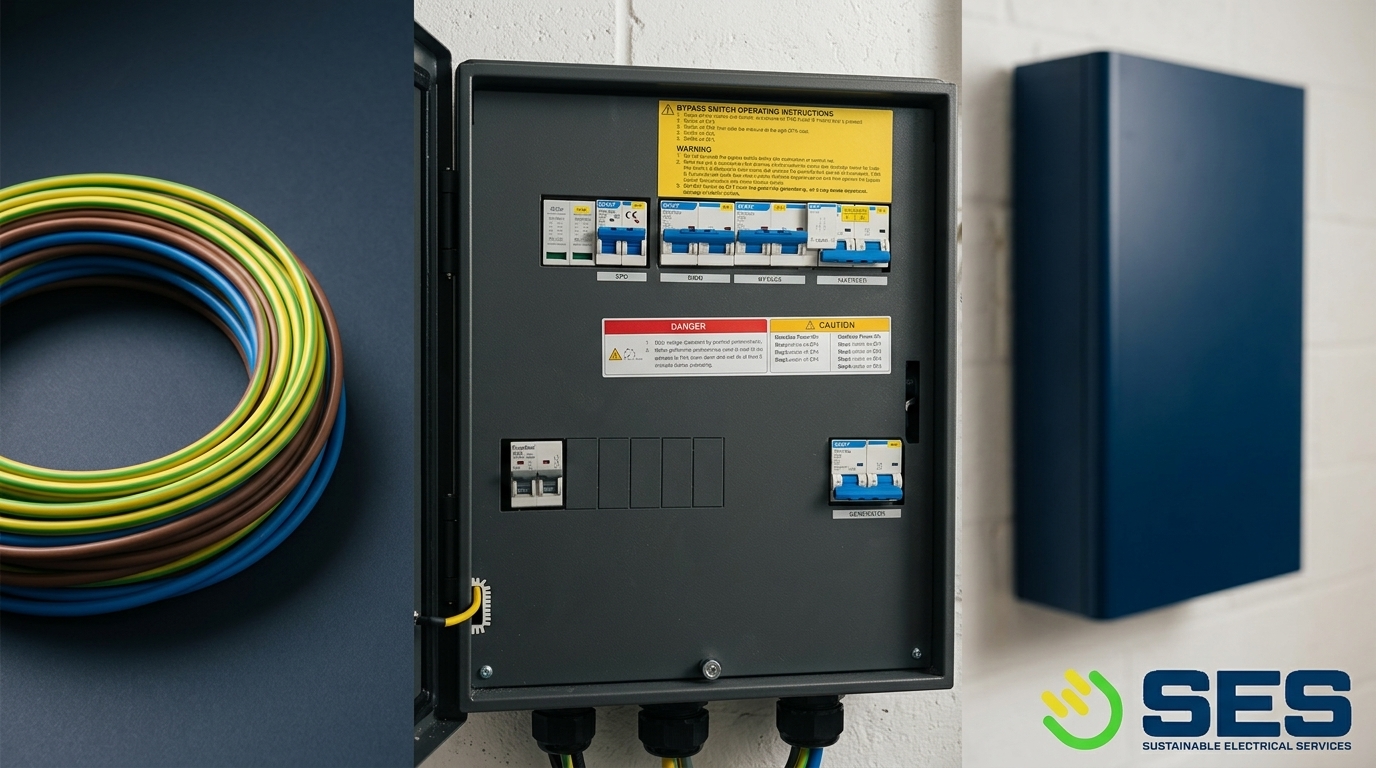
The Tesla Mobile Charger is handy for quick top-ups, but it’s not always the best fit for daily needs. Using a 3-pin plug or a 16A commando socket can affect how fast your Tesla charges and how safe your setup is. We’ll break down when the Mobile Connector works well and when upgrading to a smart home charger makes more sense, especially if you want to pair charging with solar power and battery storage. Ready to charge smarter? Let’s explore what suits your home or workplace best. Learn more about the Tesla Mobile Connector here.
Understanding the Tesla Mobile Charger
Let’s explore what the Tesla Mobile Charger is and how it fits into your daily routine. This compact device is versatile, allowing you to charge your Tesla anywhere with a compatible socket.
What is the Tesla Mobile Connector?
The Tesla Mobile Connector is a portable charging solution that comes with every Tesla. It’s designed to plug into a standard wall socket. This makes it perfect for quick top-ups when you’re on the go. You can easily pack it in your boot and use it at any accessible power outlet.
While convenient, the charging speed isn’t as fast as other options. It typically delivers up to a 3 kW charge rate, enough for overnight or emergency charging. Many Tesla owners use it as a backup rather than a primary source. If you’re interested in more insights, check out this Tesla discussion on charging.
Safe Use in the UK
Safety is paramount when using the Tesla Mobile Connector in the UK. You should be aware of a few key guidelines to prevent any mishaps. Firstly, always ensure the socket you’re using is in good condition and can handle the load. Damaged sockets or extensions can overheat and pose a risk.
Make sure the area around the charging point is dry and free from obstructions. It’s a good idea to regularly check the cable for any signs of wear or damage. Keeping these points in mind will help keep your charging safe and reliable. For more official guidance, visit Tesla’s support page.
Comparing Charging Options
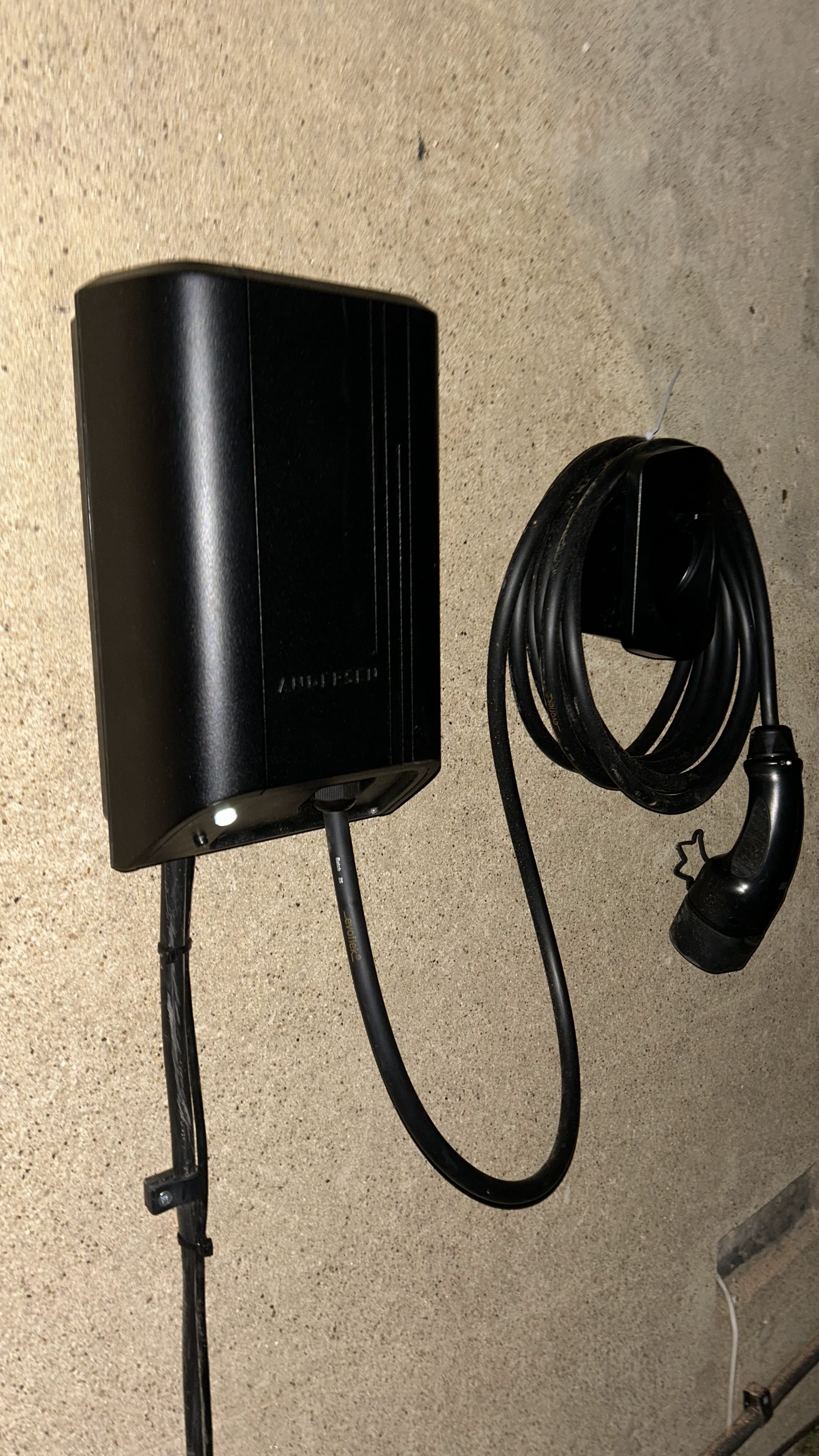
Now, let’s compare how the Mobile Connector stacks up against other charging solutions. Understanding these options will help you decide when it might be time to consider an upgrade.
Mobile Connector vs 7 kW Chargers
The 7 kW home charger offers a significant boost in charging speed. Unlike the Mobile Connector, which is ideal for occasional use, a 7 kW charger can fully charge your Tesla overnight. This setup is particularly beneficial if you use your vehicle daily and need a reliable charging routine.
You may wonder if the investment is worth it. Consider your driving habits: if frequent long trips or daily commutes are part of your life, the faster charging of a 7 kW unit will save you time and offer peace of mind. For installation tips, our guide on EV Charger Installation in London & Surrey might be useful.
3‑Pin and 16A Commando Usage
Using a 3-pin plug is the simplest way to charge, but it’s not the most efficient. With a rate of around 2.3 kW, it suits only occasional short-range needs. While convenient, it might not suffice if you’re a regular driver.
On the other hand, a 16A commando socket offers a better balance between speed and convenience. It can deliver up to 3.7 kW, making it a middle-ground solution for those who need more than a 3-pin plug can offer but aren’t ready to install a full home charging station. If you’re curious about socket safety and efficiency, here’s a great resource on commando sockets.
Smart Charging and Solar Integration
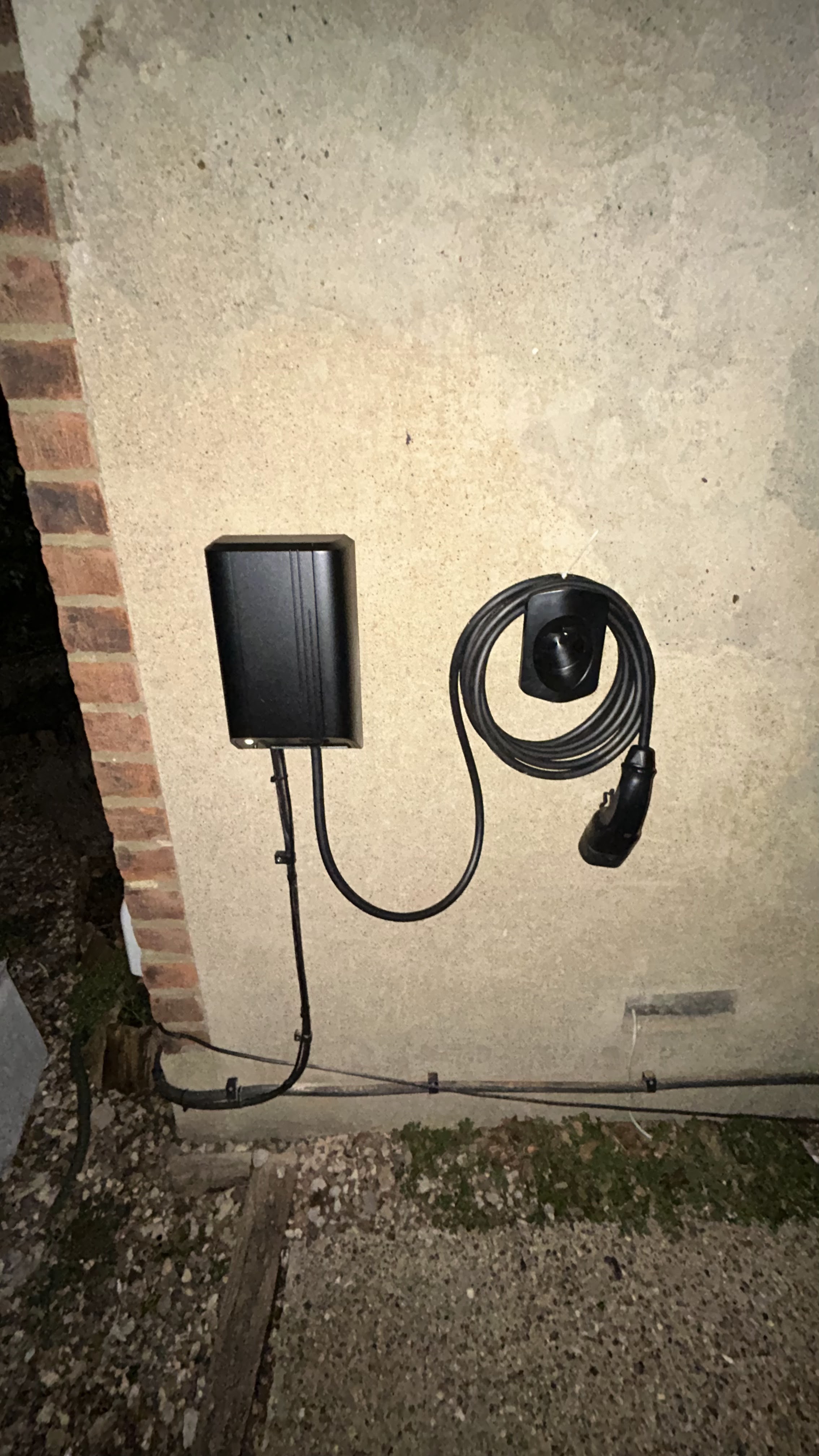
Combining smart charging with solar energy is a forward-thinking approach to driving greener miles. Let’s delve into how this pairing can benefit your home or workplace setup.
Benefits of Solar PV and Battery Storage
Installing solar panels and battery storage can revolutionize your charging routine. With solar energy, you harness the sun’s power to charge your Tesla. This reduces reliance on the grid and lowers electricity costs. Paired with a battery storage system, excess energy can be stored and used when needed, even after the sun goes down.
The financial savings are compelling. As an example, households with integrated solar solutions often see a decrease in their energy bills by up to 30%. Plus, you’ll be contributing to a greener environment by cutting down on fossil fuel usage. Tesla’s support page on home charging offers further insights into solar integration.
Load Management for Efficient Charging
Load management ensures that your home’s electrical system can handle the demands of EV charging without overloading. This becomes crucial when multiple devices are drawing power simultaneously. Smart chargers can adjust the charge rate based on home energy consumption, preventing potential overloads.
Incorporating a smart EV charger can enhance both charging efficiency and safety. It’s a step towards a future where electric vehicles seamlessly integrate into daily life, providing convenience without the worry of power disruptions. For more detailed information, our article on Tesla Wall Connectors might be helpful.
Choosing the right charging solution can transform your electric vehicle experience. Whether you stick with the Mobile Connector or upgrade to a smart charger, understanding your options is key to making an informed decision.
Start the new year strong with expert advice and early project booking.