Most people think a whole house battery backup is a one-size-fits-all add-on. The truth is, its value depends on how your property uses electricity day to day and whether it supports your solar setup or shields you during outages. In this guide, you’ll learn why sizing and design matter, and how an experienced installer in London or Surrey can create a system built just for your home or business. Learn more about the basics of battery storage here.
Planning Your Battery Backup System
Understanding your power needs is the first step in planning a whole house battery backup. This section will guide you through the essential factors to consider.
Assessing Electrical Load and Usage
Your home’s electrical load is a cornerstone for battery system planning. To get started, you need to know how much power your home uses daily. Look at your energy bills to find your average consumption. This will help you understand how much backup power you need during an outage.
Consider your power usage habits. Do you have periods of high demand, like evenings when everyone is home? Knowing these patterns helps tailor the system to your needs. By assessing your load, you’ll find out if you need a smaller or larger battery to keep your home running smoothly during a power cut.
Key Considerations for Resilience and Solar
A well-planned system can do more than just keep the lights on. It can help you make the most of your solar PV. When the sun isn’t shining, a battery can power your home with stored solar energy. This makes your home more resilient to power cuts and can reduce your reliance on the grid.
Think about your home’s resilience needs. Do you want to power essential devices only, or the entire house? This choice affects the system size and cost. The right setup can enhance your energy independence and give you peace of mind knowing your home is prepared for unexpected outages.
The Role of Bespoke Design
Tailoring your battery system is crucial for meeting your unique needs. A bespoke design takes into account your property’s specific layout and power usage. This ensures you get a solution that’s not only efficient but also cost-effective.
An experienced installer can assess your home and recommend the best setup for you. They’ll consider factors like your solar capacity, energy needs, and budget. By choosing a bespoke design, you ensure your system seamlessly integrates with your lifestyle and energy goals.
Integrating Solar with Battery Backup
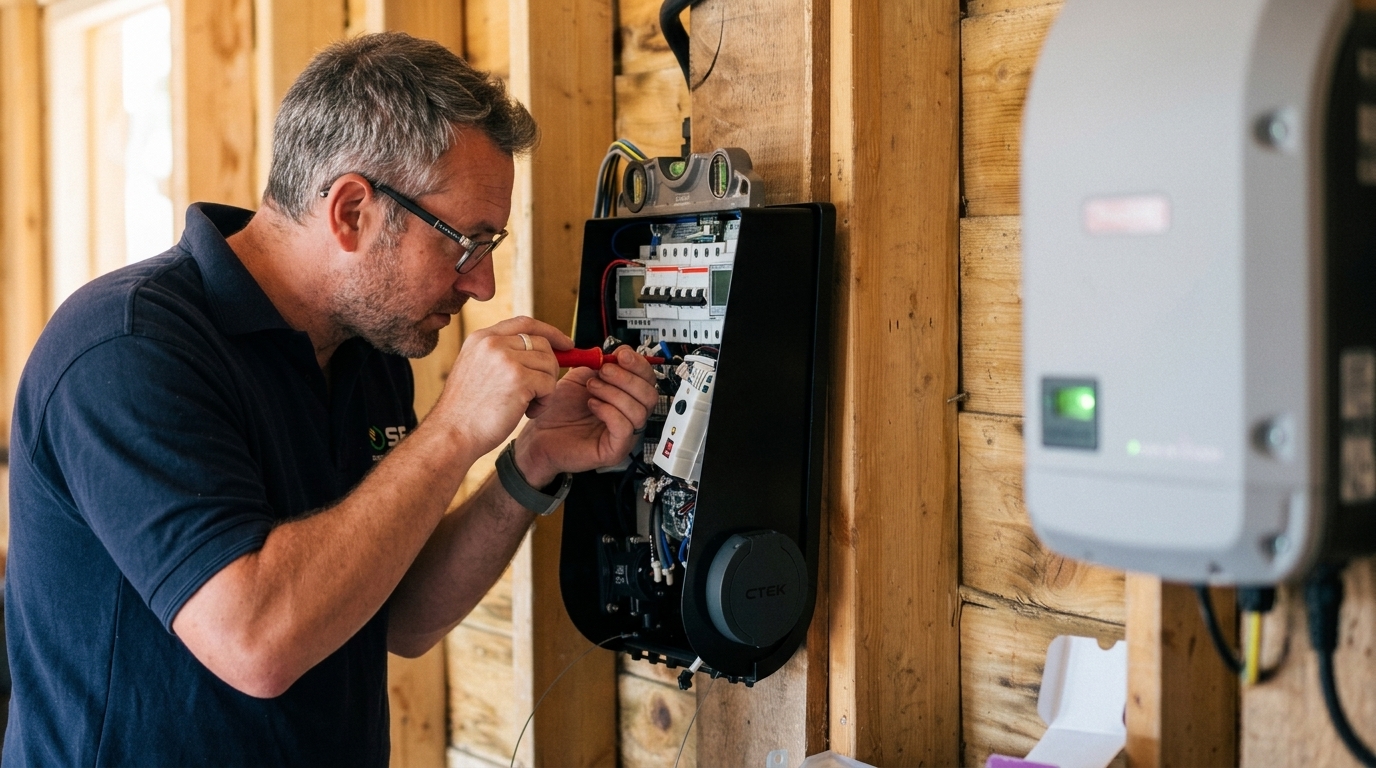
Pairing solar panels with battery storage offers many benefits. This section explains how these systems work together and what you need to know about integration.
Benefits of Solar PV and Battery Systems
Solar panels combined with a battery system offer a powerful energy solution. They allow you to store excess solar power for use when the sun isn’t shining. This reduces your reliance on the grid and can lower your energy bills.
Beyond savings, this setup boosts your home’s energy resilience. It ensures you have power during outages and can keep essential appliances running. Whether you aim to lower costs or enhance reliability, solar and battery systems offer a compelling blend of benefits.
Understanding Hybrid Inverters in the UK
A hybrid inverter is the key to a seamless solar and battery system. It manages the flow of electricity between your panels, battery, and home. In the UK, these inverters must meet specific standards to comply with grid regulations.
Choosing the right inverter is important. It should match your system’s capacity and support future expansions. A knowledgeable installer can help you select an inverter that aligns with your energy needs and complies with UK standards.
Navigating Solar and Battery Compliance
Compliance is crucial when integrating solar and battery systems. Regulations ensure systems are safe and reliable. In the UK, the G99 standard is important for grid-connected systems. It ensures your setup won’t disrupt the local grid.
Working with an accredited installer is vital. They can handle necessary applications and ensure your system meets all compliance requirements. This gives you confidence that your system is safe and works well with the grid.
Ensuring a Reliable Backup Power Solution
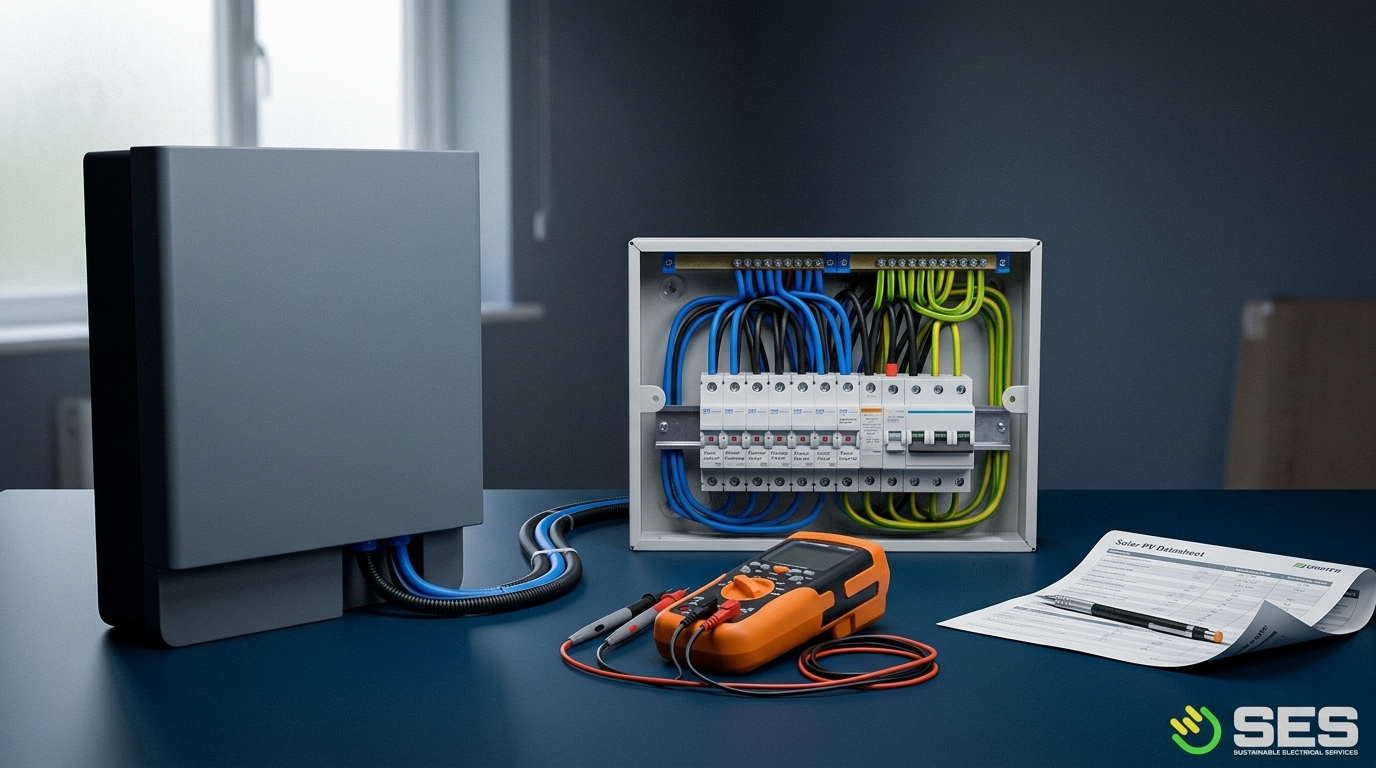
A reliable backup system hinges on careful planning and professional installation. This section covers the key elements to ensure your solution works effectively.
Battery Sizing and Load Assessment
The size of your battery determines how long it can power your home. To get the right size, you’ll need a load assessment. This involves calculating your peak and average power needs. A properly sized battery means you’ll have enough power when you need it most.
Consider your goals. Are you looking to cover short outages or sustain your home for days? The answer will guide your battery size choice. A detailed load assessment ensures your system is tailored to your specific needs.
Importance of Accredited Installers
Choosing the right installer is crucial for the success of your project. Accredited professionals bring expertise and reliability. They ensure your system is installed safely and complies with all regulations. In the UK, look for installers accredited by NICEIC or MCS for peace of mind.
An accredited installer provides more than just technical know-how. They offer guidance on design and compliance, ensuring your system operates efficiently. Trusting your installation to a certified professional can prevent costly mistakes and ensure optimal performance.
Future-Proofing with Modular Batteries
Modular batteries offer flexibility for future energy needs. They allow you to start with a smaller system and expand as your needs grow. This is ideal for homeowners who plan to increase their solar capacity or add new devices like EV chargers.
Future-proofing your system means you can adapt to changes without a complete overhaul. It provides long-term value and ensures your home can accommodate evolving energy demands. By choosing a modular system, you invest in a solution that grows with you.
Frequently Asked Questions
What size battery backup do I need for my home?
The size of your battery depends on your energy consumption. Assess your daily and peak usage to determine the right capacity. A professional installer can provide a detailed load assessment to guide your decision.
How do solar panels and batteries work together?
Solar panels generate electricity that can be stored in a battery for later use. This setup ensures you have power when the sun isn’t shining, reducing reliance on the grid and enhancing resilience during outages.
Are hybrid inverters necessary for solar and battery systems?
Yes, hybrid inverters manage electricity flow between your panels, battery, and home. They ensure seamless integration and compliance with grid standards, making them essential for a well-functioning system.
Why choose an accredited installer?
Accredited installers ensure your system meets all safety and compliance standards. They bring expertise and reliability, reducing the risk of costly mistakes and ensuring optimal performance.
Can I expand my battery system in the future?
Yes, modular battery systems allow for future expansion. This flexibility lets you start small and add capacity as your energy needs grow, providing long-term value and adaptability.