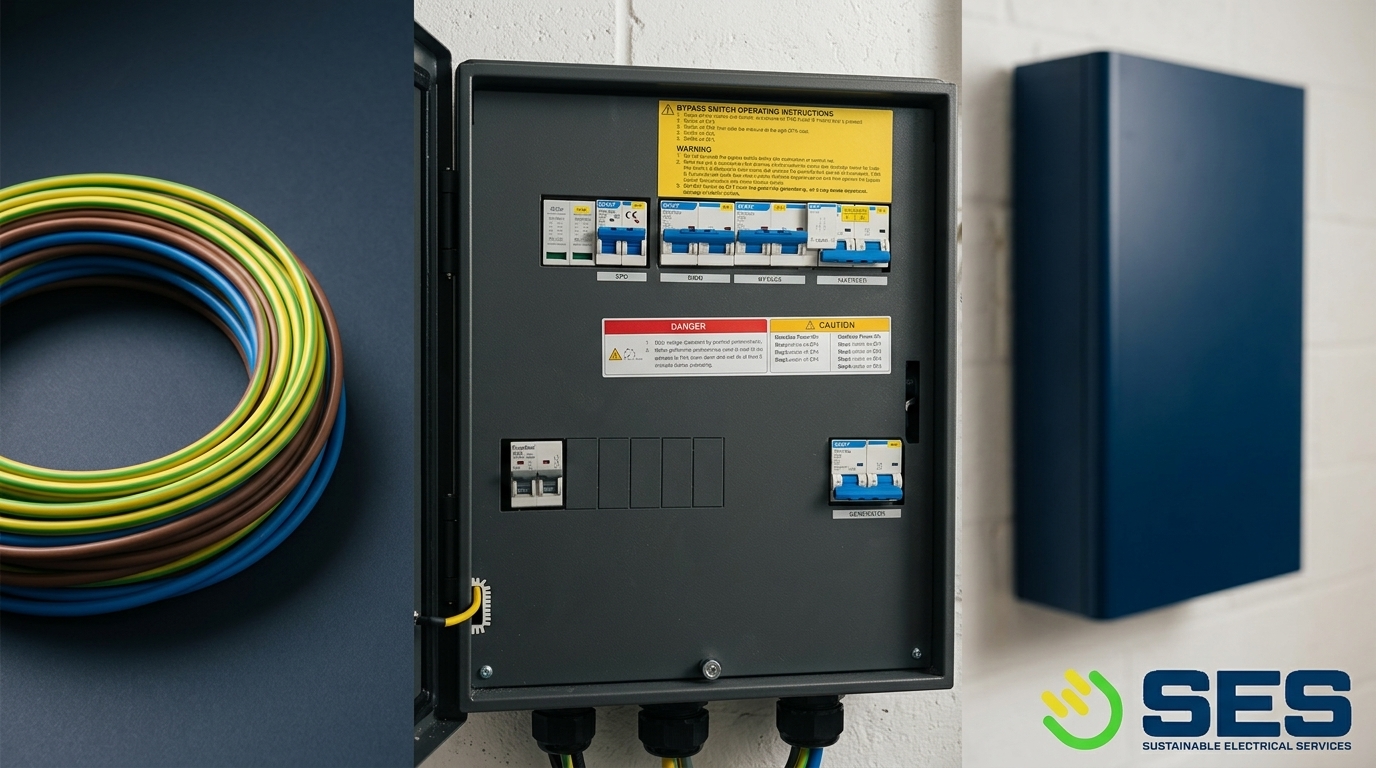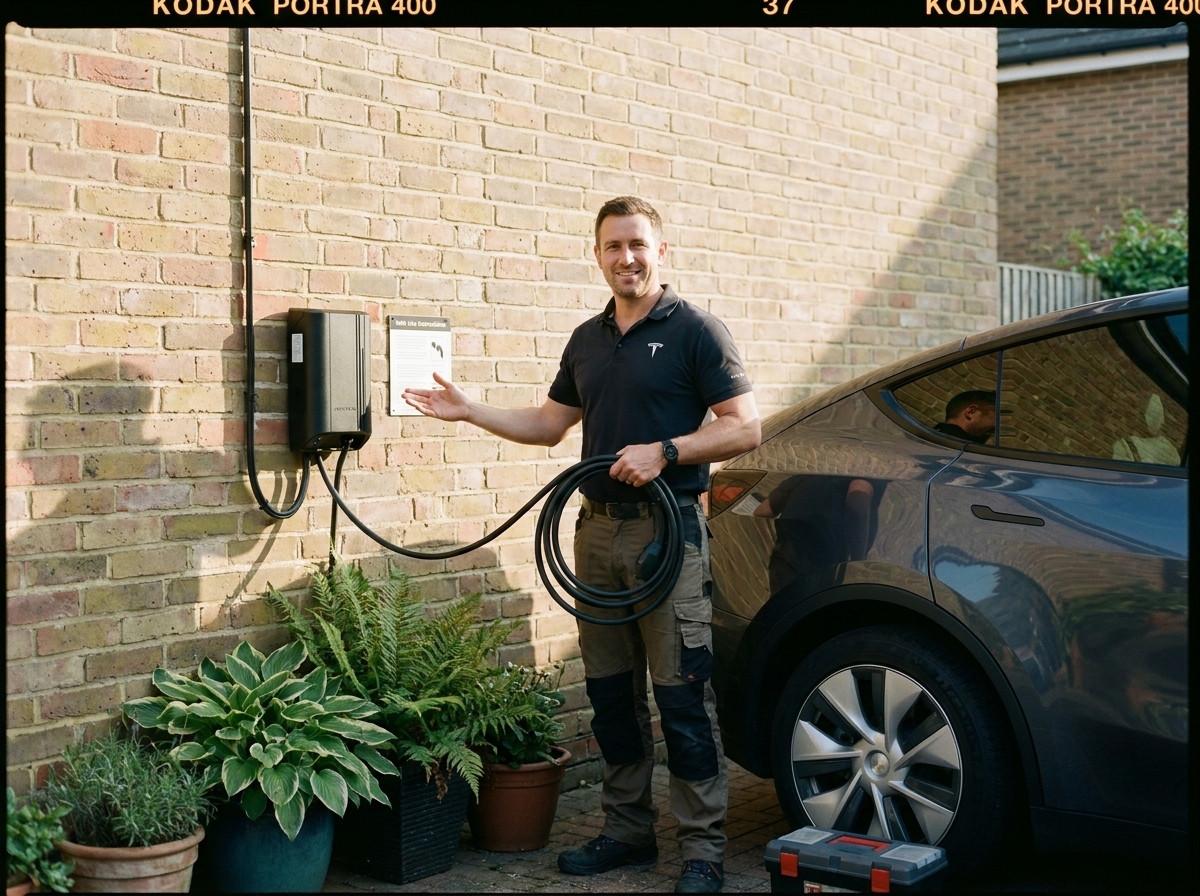
The Tesla Mobile Connector UK is a handy tool for charging your car on the go, but it’s not designed for daily use at home. While it plugs into standard sockets, the charging speeds are modest—around 2.3 kW with a 13A three-pin plug, or up to 3.6 kW using a commando socket adaptor. If you’re thinking about reliable, faster charging at home or work, it’s worth exploring dedicated Tesla chargers and professional installations tailored to your needs.
For those considering the financial aspects of EV charging, our detailed guide on EV charger costs explained: a London & Surrey guide for homes and businesses is an invaluable resource. Additionally, to truly enhance your charging experience, the Tesla Wall Connector: Your smart, fast home and workplace charging—installed across London and Surrey offers an efficient solution for Tesla owners.
Safe Use of Tesla Mobile Connector
Using your Tesla Mobile Connector safely is crucial for both you and your car. Here are some essential guidelines and tips to ensure you make the most out of your charging experience without any hiccups.
Essential Safety Guidelines
To start, always check your connections. Make sure your socket is in good condition and free from damage. A faulty socket can lead to power surges or worse, so it’s a step you shouldn’t skip. Also, keep the charger dry. Water and electricity don’t mix, so store your Mobile Connector in a dry place when not in use.
Another key point is to avoid using extension cords. They can overheat and cause fires, which is why Tesla advises against them. Finally, regularly inspect your Mobile Connector for signs of wear and tear. If you notice damage, stop using it immediately and reach out to Tesla support for assistance.
Common Mistakes to Avoid
One common mistake is relying on the Mobile Connector as your primary charging option at home. While it’s convenient, it’s not the most efficient method. Instead, use it as a backup. Another error is ignoring the plug’s temperature. If it feels hot, that’s a red flag. Unplug immediately and check for issues.
Overloading a circuit is another pitfall to avoid. Charging your car while using other high-power appliances can trip your home’s circuit breaker. To prevent this, dedicate a circuit solely for your car, ensuring it has the capacity to handle the load.
Ideal Use Cases
The Tesla Mobile Connector is perfect for road trips or when you’re away from home. It’s compact and easy to carry, making it a reliable travel companion. It’s also a great tool for emergencies. If you find yourself running low on battery, having the Mobile Connector on hand can be a lifesaver.
Consider using it in places where charging infrastructure is scarce. While it may take longer to charge, it’s better than being stranded. Overall, it’s a convenient tool for those unexpected moments when a top-up is necessary.
Realistic Charging Speeds
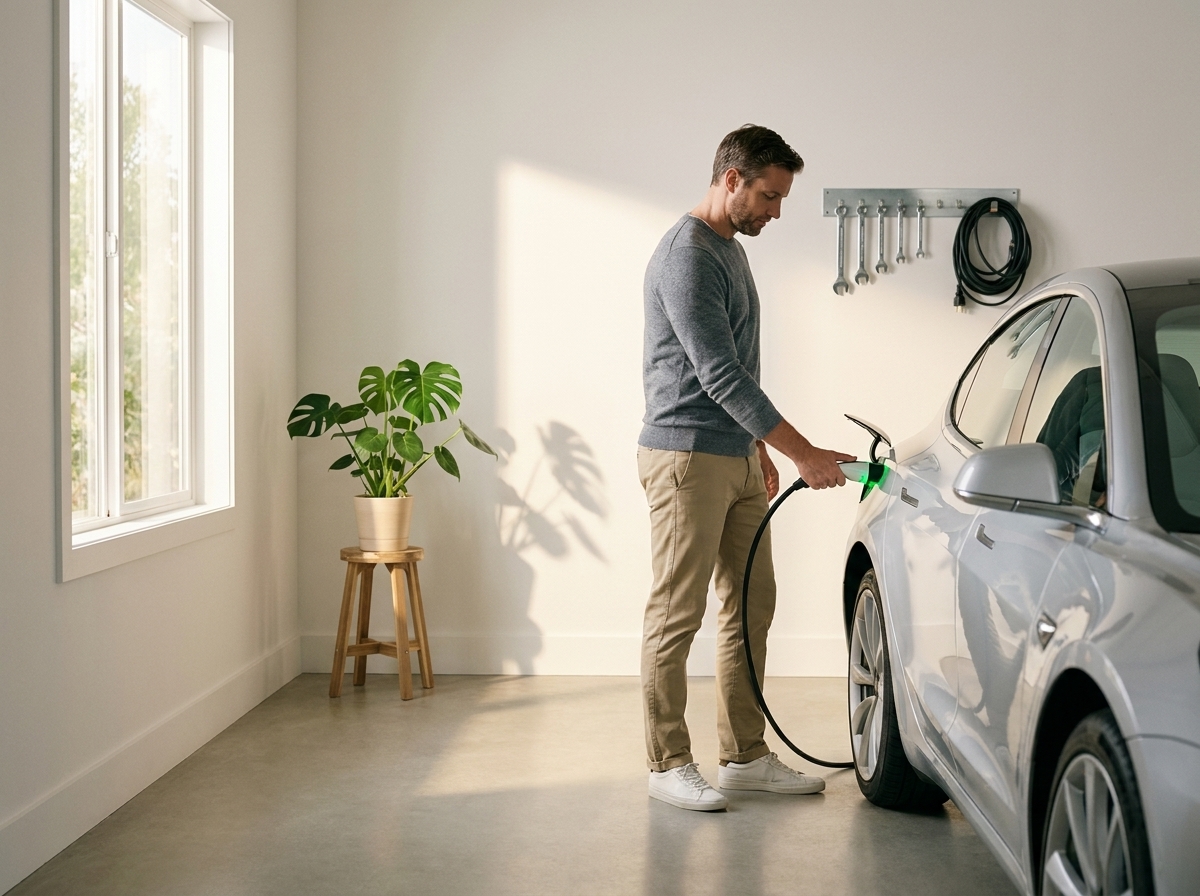
Understanding charging speeds helps set expectations and plan your charging better. Let’s break down what you can expect from the Tesla Mobile Connector and other options available.
Charging Speeds Explained
The Mobile Connector delivers around 2.3 kW with a standard three-pin plug. This translates to approximately 10 miles of range per hour. With a commando socket adaptor, you can enhance this to around 3.6 kW, giving you about 15 miles per hour.
These speeds are sufficient for overnight charging, especially if your daily commute is within 30 miles. However, for longer trips, it might not be the most practical option. Knowing these numbers helps you decide when and how to use the Mobile Connector effectively.
Comparing Charging Options
When comparing options, home chargers typically offer 7 kW, allowing you to gain up to 30 miles of range per hour. This is significantly faster than the Mobile Connector. If you have access to public charging points, fast chargers can provide 22 kW or more, drastically reducing charging time.
For those who frequently need a quick charge, investing in a home charger or using public fast chargers might be more beneficial. The Mobile Connector remains a useful backup, but it shouldn’t be your main charging method.
Limitations to Consider
It’s important to acknowledge the limitations of the Mobile Connector. While it’s convenient, its lower charging speeds mean longer wait times. This can be a setback if you’re in a hurry or have limited time for charging.
The Mobile Connector is also not designed for everyday home use. Prolonged use in this manner can wear it out faster. For a more robust solution, consider installing a dedicated home charger that can handle daily demands more efficiently.
Benefits of Installing a Home Charger
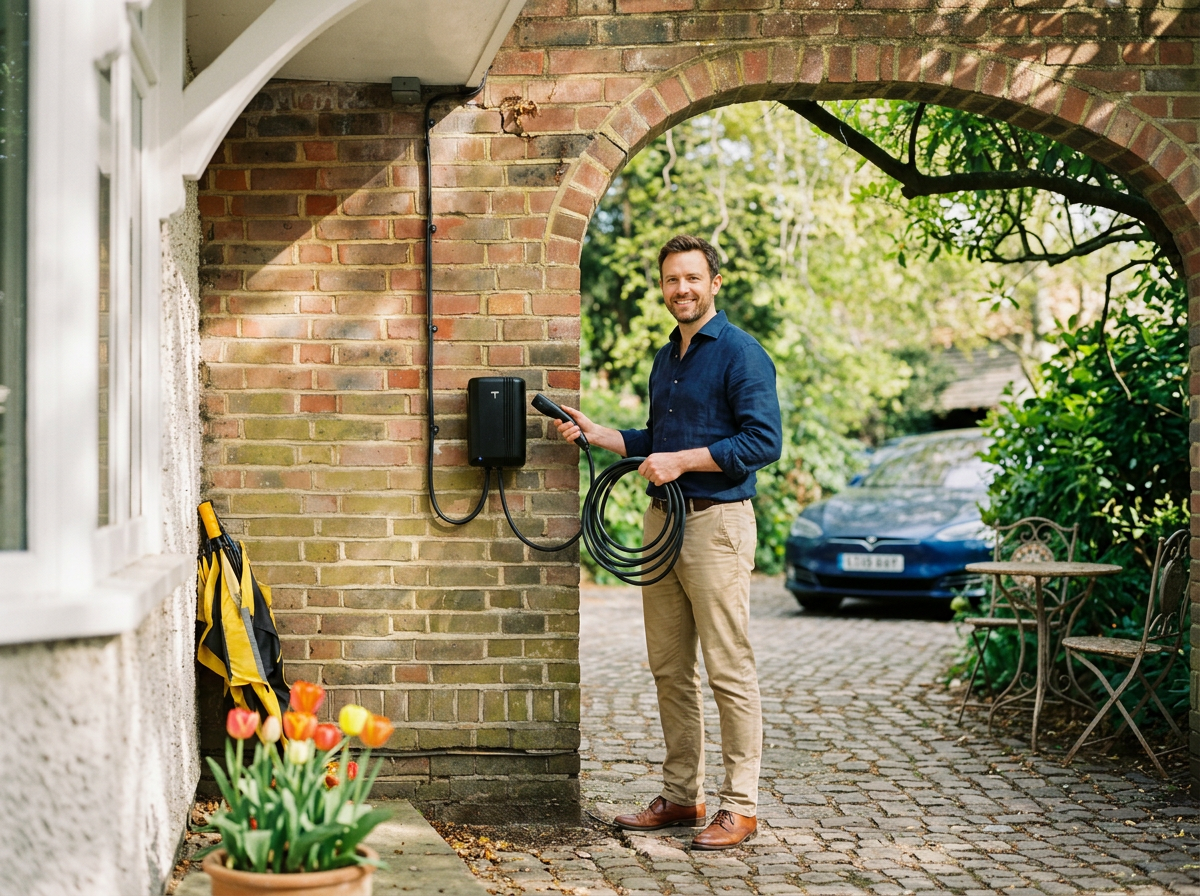
If you’re contemplating whether to invest in a home charger, here’s why it could be a game-changer for your EV experience, especially in areas like London and Surrey.
Advantages of a 7kW Charger
A 7 kW charger offers speed and convenience. With it, you can fully charge your Tesla overnight, preparing you for the next day with ease. This not only saves time but also ensures your car is always ready to go.
Home chargers also offer better energy management. Many come with smart features that allow you to schedule charging during off-peak hours, saving money on your electric bill. This level of control is something the Mobile Connector doesn’t offer.
Solar and Battery Integration
For those looking to reduce their carbon footprint, integrating your home charger with a solar panel system is a fantastic option. Solar EV charging allows you to power your vehicle with clean energy, reducing reliance on the grid.
Pairing this with a battery storage system maximises the use of solar energy. You can store excess power generated during the day and use it to charge your car at night. This not only supports sustainability but can also lead to significant long-term savings.
Professional Installation Services
Choosing a professional installation service ensures safety and efficiency. They’ll assess your home’s electrical capacity and recommend the best setup. This eliminates guesswork and potential issues down the line.
Working with accredited installers, like those from NICEIC, guarantees that your installation meets all safety standards. It’s a smart investment that pays off in reliability and peace of mind, knowing your charging solution is both safe and effective.
Lastly, while home chargers are an investment, they provide convenience and efficiency that the Mobile Connector can’t match. Whether you’re in London, Surrey, or beyond, the benefits of a dedicated charger are clear.
Start the new year strong with expert advice and early project booking.