Blink Charging stock often grabs headlines for rapid growth, but the real story lies beneath the surface. After 30 years in electrical services, we know that EV charging success depends on how well networks are installed, maintained, and trusted. If you’re considering Blink Charging stock, understanding the practical challenges of site suitability and ongoing reliability offers a clearer view of whether this market will deliver lasting value. Read more about this topic here.
Installation Quality in EV Charging
Importance of Quality Installations
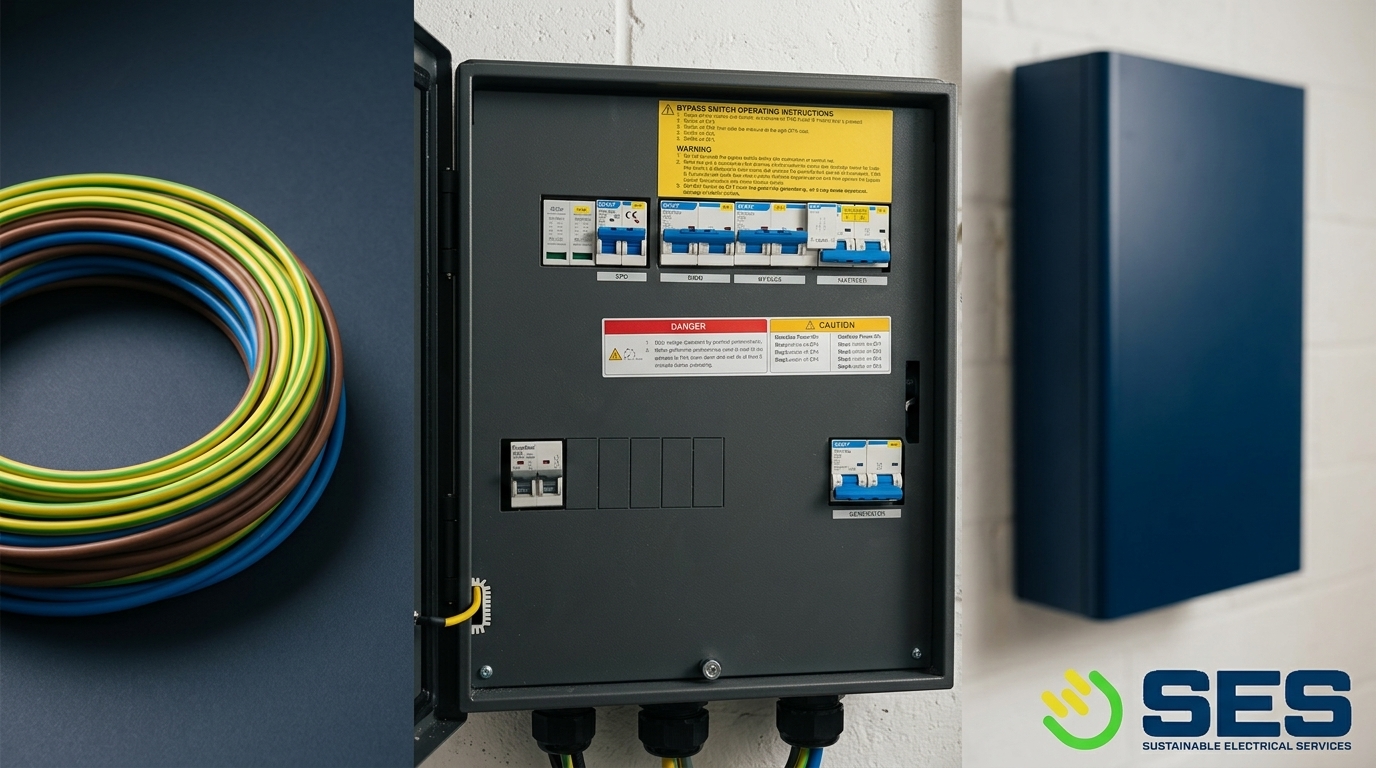
The effectiveness of EV charging networks heavily relies on high-quality installations. A well-installed charging point minimises downtime and reduces the risk of malfunctions. When you invest in solid installation practices, you ensure that the network’s foundation is robust. This means fewer headaches down the line as operational issues are less likely to crop up.
Think of it like building a house: without a sturdy foundation, everything else is at risk. Similarly, quality installations in EV networks set the stage for reliable performance. It’s not just about setting up a charging station; it’s about ensuring it works efficiently for years to come.
Challenges in Installation and Compliance
Installing EV chargers isn’t always straightforward. Various factors, such as local regulations and site-specific challenges, must be considered. Navigating these can be daunting, but ignoring them can lead to costly mistakes. Compliance with local standards ensures safety and optimises performance.
One common hurdle is securing the necessary permits and approvals, like DNO approval and grid capacity checks. These steps might seem cumbersome, but they’re essential for a smooth operation. Missteps here can delay projects and inflate costs, so it pays to get it right from the start.
Role of NICEIC Approved Contractors
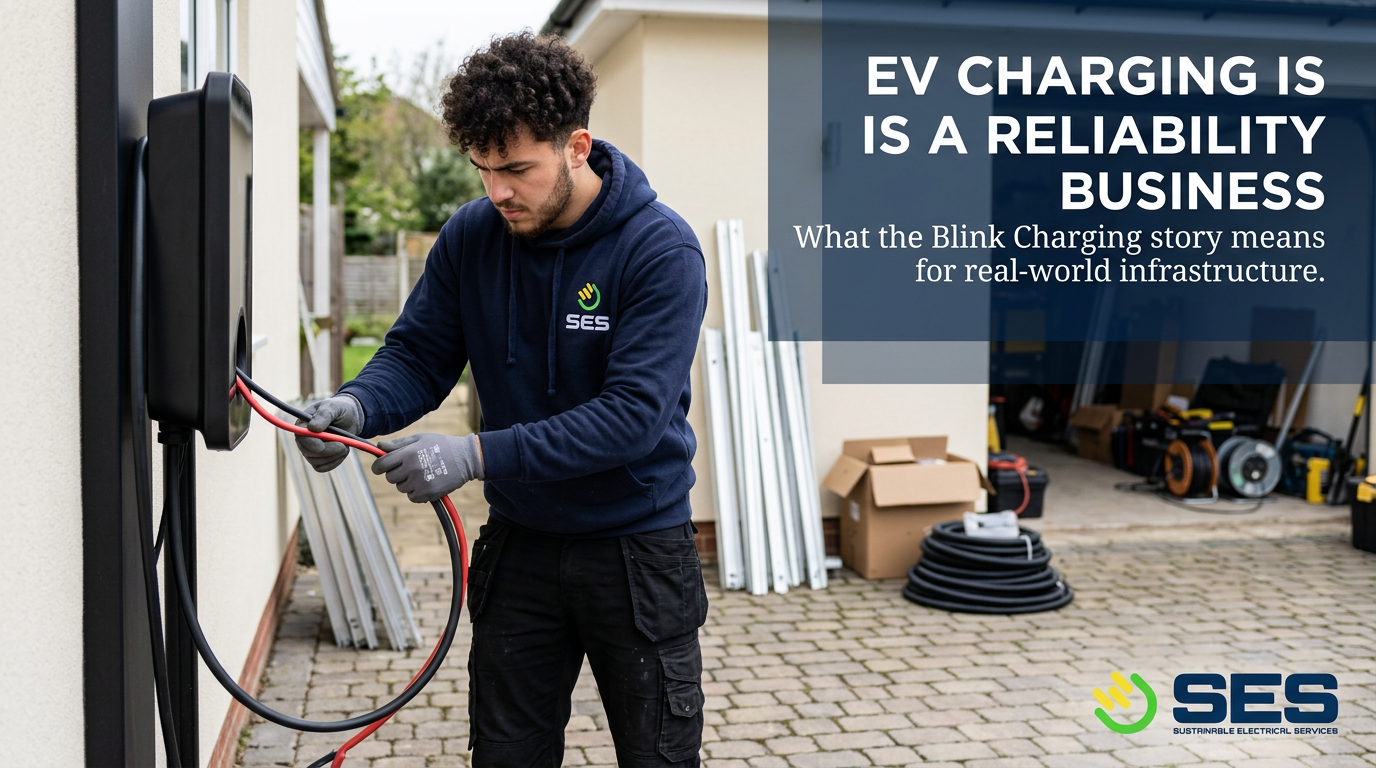
NICEIC approved contractors play a crucial role in the EV charging ecosystem. These professionals bring a wealth of expertise and ensure that installations meet high standards. Choosing contractors with this accreditation provides peace of mind, knowing your project is in capable hands.
Their experience helps navigate complex installations and ensures compliance with regulations. This is crucial in avoiding potential pitfalls that could lead to malfunctions or safety concerns. By entrusting your installation to these experts, you’re investing in quality and reliability.
Reliability and Maintenance of Charging Networks

Importance of Uptime and Maintenance
Reliability is a cornerstone of successful EV charging networks. Regular maintenance is key to keeping chargers operational and minimising downtime. A proactive maintenance schedule prevents minor issues from becoming major problems. This ensures that users can rely on the network whenever needed.
For instance, planned preventive maintenance can identify wear and tear before it leads to equipment failure. This approach not only extends the lifespan of the chargers but also boosts user satisfaction by ensuring consistent availability.
Site Suitability for EV Chargers
Choosing the right site for EV chargers is as important as the installation itself. Not every location is suitable for charging stations. Factors like accessibility, visibility, and power supply are crucial in site selection.
Before committing to a site, thorough assessments are essential. Evaluating factors such as grid capacity and potential user demand can make the difference between a successful installation and a seldom-used station. Ensuring the site is primed for use reduces future complications and maximises utility.
Public Charging Reliability in the UK
Public charging infrastructure in the UK presents unique challenges. Reliability here means more than just uptime; it involves ensuring that chargers are user-friendly and accessible. As public charging grows, maintaining high standards across networks becomes increasingly important.
By focusing on reliability, public charging networks can build trust among users. This trust encourages more people to switch to electric vehicles, knowing they have dependable charging options available whenever they need them.
Long-term Value of Dependable Infrastructure
Understanding AC vs DC Fast Charging
Choosing between AC and DC fast charging depends on the specific needs of the site. AC chargers are typically slower but are suitable for longer stays, like at home or work. In contrast, DC fast chargers provide a rapid charge, ideal for on-the-go needs. Understanding the differences helps tailor installations to user behaviors and requirements.
For instance, workplaces might benefit from a mix of both, offering flexibility to employees while maximising efficiency. By aligning charger types with user needs, you ensure the best possible service for all users.
Solar PV and Battery Storage for EV Charging
Integrating Solar PV and battery storage with EV charging creates a sustainable energy loop. Solar panels generate renewable energy, which can be stored in batteries for use when demand peaks. This not only cuts costs but also reduces reliance on grid power.
This system proves especially beneficial in areas with high electricity rates. By using solar energy, you can charge vehicles at a lower cost while promoting environmental sustainability. It’s a win-win for both economics and the planet.
Ensuring Sustainable Electrical Services in London and Surrey
Sustainable Electrical Services Ltd is a leader in providing reliable EV charging solutions across London and Surrey. Our team’s expertise ensures that installations and maintenance are conducted with precision and care. This ensures that your charging infrastructure remains dependable over time.
By choosing a trusted local partner, you gain not just an installation, but a long-term commitment to quality and sustainability. Whether you’re a homeowner or a business, our services are tailored to meet your unique needs and ensure satisfaction.
Frequently Asked Questions
What are the benefits of using NICEIC approved contractors?
NICEIC approved contractors ensure that EV charging installations meet high safety and quality standards. They bring expertise in navigating complex installations and compliance, reducing risks of future issues.
How does regular maintenance impact EV charger reliability?
Regular maintenance prevents minor issues from escalating into major problems, ensuring consistent charger availability. It extends the equipment’s lifespan and enhances user satisfaction by reducing downtime.
Why is site suitability important for EV chargers?
Site suitability affects accessibility, power supply, and user demand. A well-chosen site maximises utility and minimises complications, making the charging station more effective and reliable.
What’s the difference between AC and DC fast charging?
AC chargers are slower and suited for extended stays, while DC fast chargers offer rapid charging for quick stops. Understanding these differences helps tailor installations to user needs.
How does Solar PV and battery storage benefit EV charging?
Solar PV and battery storage create a sustainable energy loop, reducing costs by using renewable energy. This setup decreases reliance on grid power, offering economic and environmental benefits.