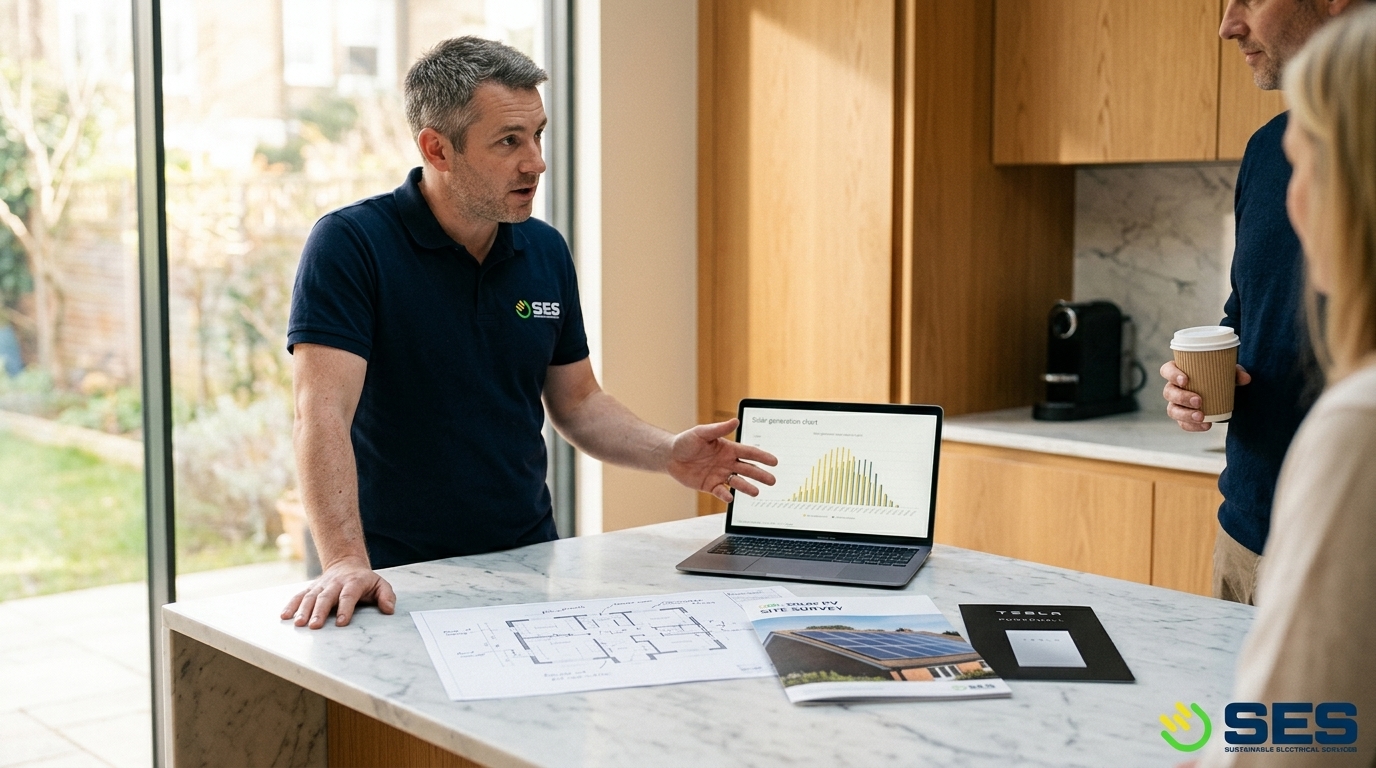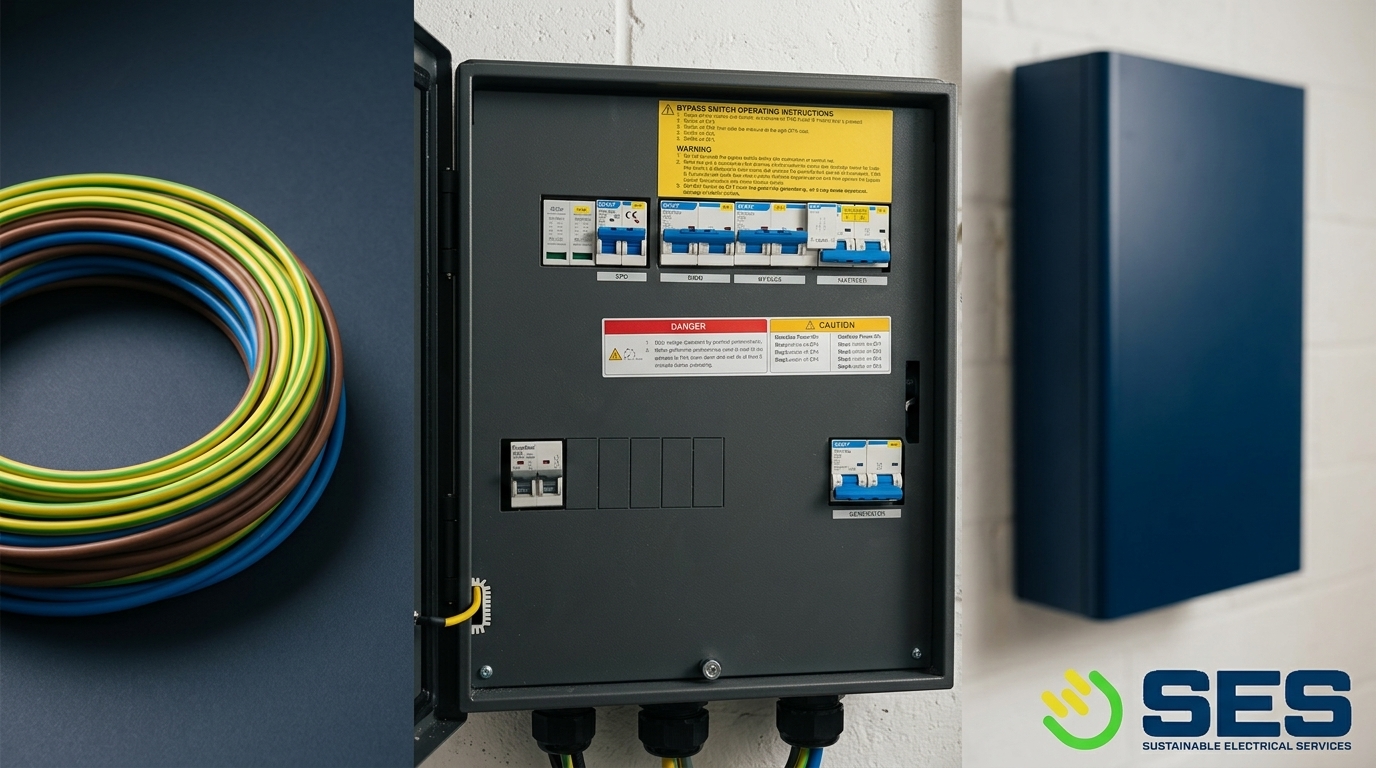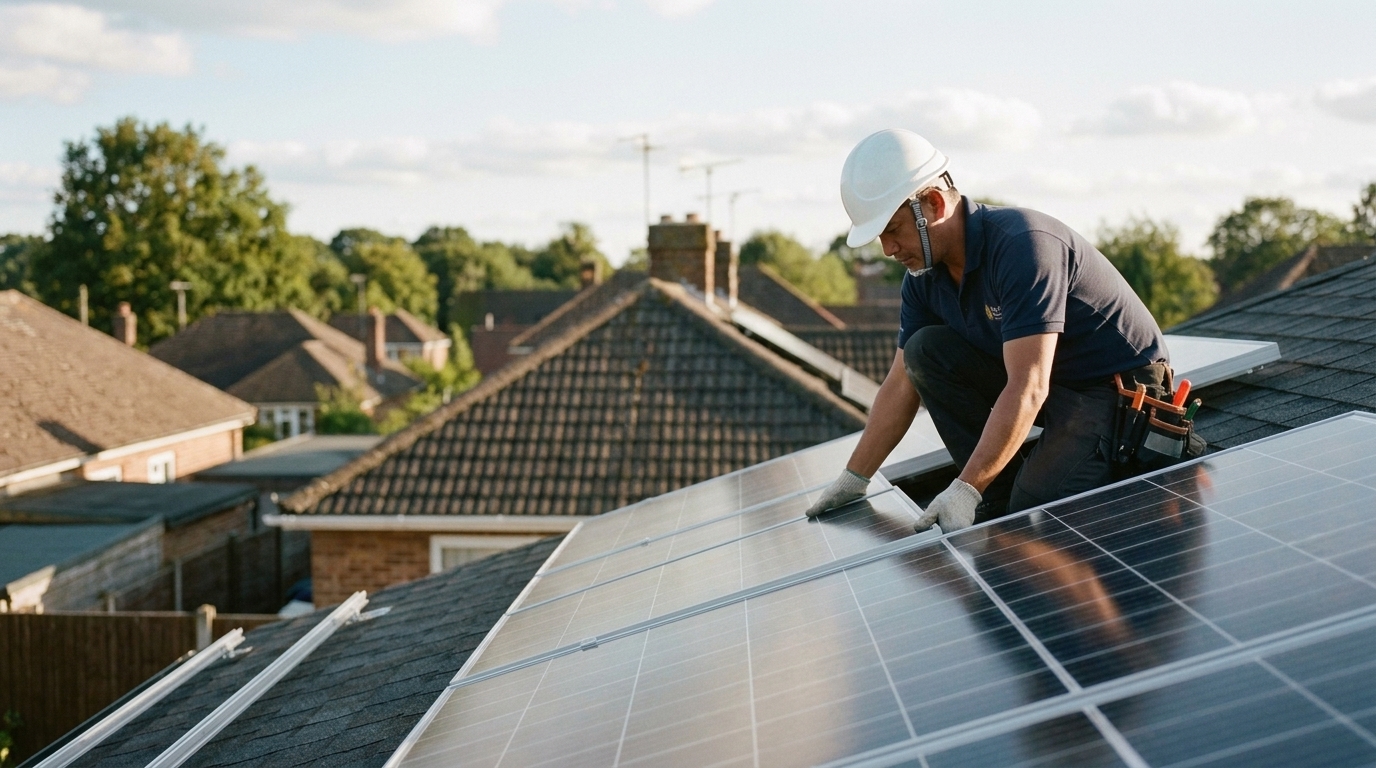
Forget cookie-cutter solar battery solutions. The best solar battery backup UK homeowners can trust is one designed specifically for their property, roof, and daily power needs. With over 30 years’ electrical experience across London and Surrey, we focus on sizing, compatibility, and accredited installation to make solar work hard for you. Keep reading to see how a tailored system turns your solar PV into a dependable power cut backup system that fits your life. For more information, you can explore this guide on best home battery systems.
Designing Your Ideal Solar Battery System
When considering the Best Solar Battery for Home, homeowners should focus on how well the system is designed around their property. A crucial factor is the system’s technical fit and the accredited installation provided by trusted professionals. For a comprehensive understanding, you might refer to our detailed UK Buyer’s Guide for London & Surrey.
Understanding System Sizing and Compatibility
Choosing the right battery size and ensuring compatibility with your existing solar PV can significantly impact your energy independence. Our expertise can guide you through these decisions, ensuring that your system delivers the best performance. For further insights on making your solar work harder, our article on the Tesla Powerwall offers valuable information.
The Role of Accredited Installation
An MCS accredited installer is vital for a safe and compliant system. Ensuring your installer is qualified guarantees that you get the most out of your solar and battery design. To learn more about when different battery types make sense, have a look at our piece on Lithium-ion solar batteries.
By addressing these key factors, you can transform your solar PV into a robust power cut backup system that meets your unique energy needs and maximises your solar self-consumption.
Choosing the Right Solar Battery
When selecting the best solar battery backup, it’s essential to consider how it integrates with your home. Let’s explore the main aspects: sizing, compatibility, and the importance of accredited installation.
Understanding Battery Sizing for Home
A well-sized battery ensures you make the most of your solar energy. The right size depends on your daily energy usage and the capacity of your solar panels. Too small, and you won’t store enough energy for your needs; too large, and you might not charge it efficiently. Start by reviewing your energy bills to understand your consumption patterns. Consider future changes, like adding an electric vehicle. A tailored approach ensures your battery meets your demands without unnecessary costs. Explore more on battery options that suit various household needs.
Compatibility with Existing Solar PV
Compatibility is key when integrating a battery with your existing solar PV setup. Not all systems work seamlessly together, which can lead to inefficiencies. Check if your current inverter supports battery storage. If not, you might need a hybrid inverter. This integration ensures that the energy you generate doesn’t go to waste. By matching the battery to your solar panels, you can optimise your solar PV system for better energy management.
Importance of Accredited Installation
An accredited installer ensures your system is safe and efficient. MCS and NICEIC accreditations signal that the installer meets high standards. These certifications guarantee quality and safety in installation practices. Choosing an accredited professional means you benefit from reliable, compliant installations. This choice reduces risks and maximises your system’s potential, providing peace of mind and longevity for your investment.
Designing a Dependable Backup System
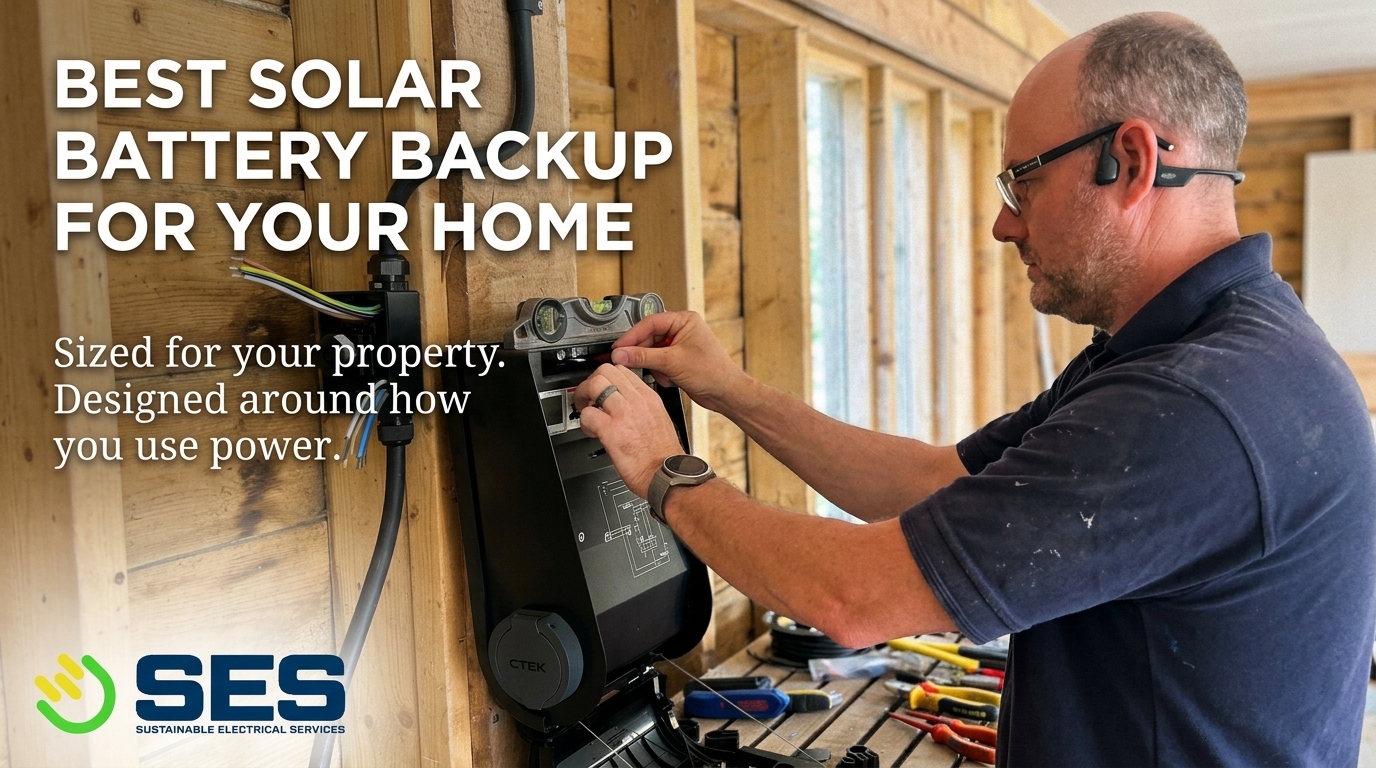
To create a reliable backup, you must consider your specific power needs and the technology available. Let’s dive into evaluating backup needs and understanding the benefits of smart controls.
Evaluating Power Cut Backup Needs
Assessing your power cut backup needs means identifying which appliances are critical during outages. Calculate the essential load by listing must-have devices like refrigerators and lights. This evaluation guides the battery capacity needed for emergencies. By knowing your priorities, you can ensure your backup system keeps vital appliances running without interruption.
Smart Controls and Time-of-Use Tariff
Smart controls help manage energy use effectively. With a time-of-use tariff, you can charge your battery when electricity is cheapest and use stored energy during peak times. This strategy reduces bills and maximises savings. Using smart technology ensures your system adapts to changing rates, offering greater control and efficiency in your energy consumption.
Accredited Installers: MCS and NICEIC
Working with MCS and NICEIC accredited installers guarantees that your system is installed to the highest standards. These professionals not only follow industry regulations but also bring a wealth of experience to your project. Their expertise ensures your setup is both safe and efficient, providing reliable backup power when you need it most.
Making the Most of Solar and Battery Design
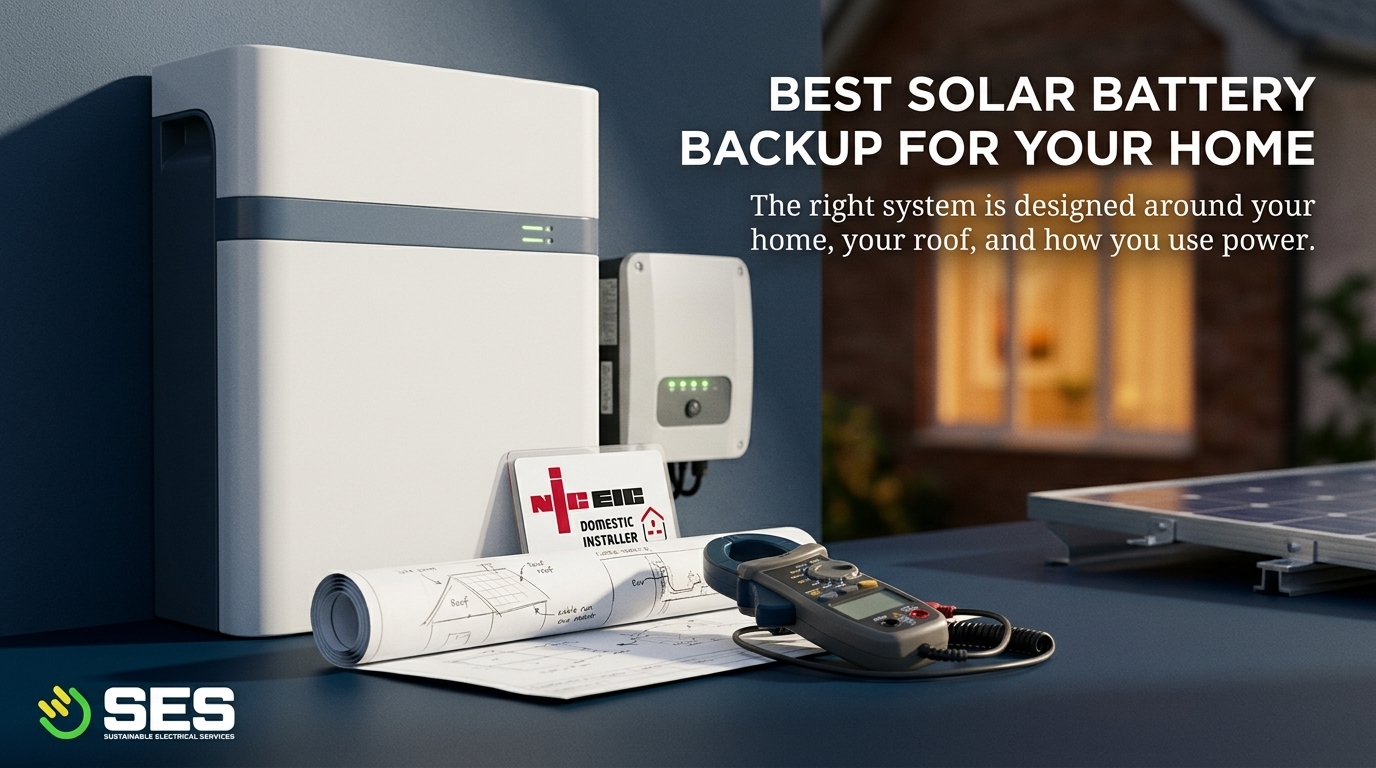
To fully benefit from your solar and battery system, consider options like retrofitting and integration with other technologies.
Retrofit Battery for Existing Solar
If you already have solar panels, retrofitting a battery can enhance your system. This upgrade allows you to store excess solar energy instead of sending it back to the grid. Retrofitting is cost-effective and boosts your energy independence. By utilising stored energy, you decrease reliance on the grid and increase your solar self-consumption.
Integrating with EV Chargers
Combining your solar battery with an EV charger can maximise your investment. Charging your electric vehicle with solar energy reduces reliance on fossil fuels and saves money. Integration ensures seamless energy management between your home, solar panels, and EV, optimising your energy use and reducing carbon footprints.
Home Energy Monitoring and Increased Self-Consumption
Home energy monitoring systems provide insights into your energy usage. These tools help identify patterns and inefficiencies, allowing you to adjust consumption habits. By increasing self-consumption, you make the most of your solar energy. Monitoring supports informed decisions, leading to better energy management and cost savings.
Frequently Asked Questions
How do I determine the right battery size for my home?
Start by analysing your energy bills to understand your usage patterns. Consider any future changes, like adding an EV, to ensure the battery meets your long-term needs.
What is the importance of compatibility with existing solar PV systems?
Compatibility ensures that your battery integrates seamlessly with your existing system, maximising efficiency and preventing energy waste.
Why choose an accredited installer?
Accredited installers adhere to industry standards, ensuring safe, efficient installations that maximise the potential of your solar and battery system.
Can I retrofit a battery to my existing solar panels?
Yes, retrofitting a battery is possible and can enhance your system by allowing you to store excess solar energy for later use.
How can home energy monitoring increase solar self-consumption?
Monitoring systems provide insights into usage patterns, helping you adjust habits to increase the use of stored solar energy, reducing reliance on the grid.