Installing EV charging points at home or work in London or Surrey is more complex than just picking a charger. You need to consider technical details like load management and DNO approval, practical matters such as cable runs and safety compliance, plus the latest grant options. Knowing these factors helps you choose a solution that fits your property and future needs. Keep reading to understand what makes a smooth EV charger installation and how to avoid common pitfalls. Read more here.
Key Considerations for EV Charger Installation
When thinking about EV charger installation, there are several factors you need to keep in mind. From managing the electrical load to dealing with approvals, each step is crucial.
Understanding Load Management
Managing the electrical load is essential to ensure your system runs smoothly. You might wonder, why is this so important? Well, it’s all about balancing your household’s energy usage.
-
Assess Your Current Load: Start by checking how much power your home already uses. This ensures you don’t overload your system when you add an EV charger. An electrician can help with this evaluation.
-
Plan for the Future: As more devices become part of your home, your energy needs will grow. Consider installing a system that can handle more than your current demand. This foresight saves time and money later on.
Learning more about energy use can help you make informed decisions. Visit this site for more insights on managing load for EV charging.
Navigating DNO Approval
Before setting up your charger, you’ll need to deal with DNO, or Distribution Network Operator, approval. This step is often overlooked but is vital.
-
Why DNO Approval Matters: Your local DNO ensures that the electricity supply network can handle the extra load from your charger. Without approval, you risk overloading the grid.
-
How to Get Approval: Contact your DNO early in the process. They’ll guide you through the steps needed, which might include a site visit.
Skipping this phase can lead to delays and extra costs. Make sure you’re prepared by understanding the DNO approval process for EV chargers.
Choosing Between Three-Phase and Single-Phase
Choosing the right phase for your charger impacts efficiency and speed. So, what’s the difference?
-
Single-Phase Systems: These are common in most homes. They’re suitable for regular charging needs and are generally cheaper to install.
-
Three-Phase Systems: These provide faster charging times. Although more costly, they’re ideal for those who need quick charging or have higher energy demands.
Consider your driving habits and how often you need a quick charge. This choice influences your installation costs and charging efficiency. Learn more about phase options and their benefits.
Planning for Home and Workplace Charging
Now that you know what to consider technically, let’s look at planning your charging points for both home and work environments.
Home EV Charging Points
Installing a charger at home is convenient, but planning is key to success.
-
Location Matters: Choose a spot that’s close to where you park. This reduces the need for long cable runs, which can be costly. Plus, it makes daily charging more convenient.
-
Consider Your Future Needs: If you plan to get more electric vehicles, think about installing a charger that can handle multiple cars. This saves you from upgrading down the line.
Having a home charger saves time and money. Here’s a detailed guide on installing EV chargers at home.
Commercial EV Charge Points
Workplace chargers can support employees and customers, offering a great value-add to your business.
-
Employee Incentives: Providing EV chargers can be an attractive perk. It shows commitment to sustainability and helps employees with EVs save on fuel.
-
Customer Attraction: Businesses that offer charging can attract environmentally conscious customers. It’s a win-win for your reputation and customer satisfaction.
When setting up, consider both the number of chargers needed and their placement. This ensures maximum efficiency and accessibility.
EV Charging for Flats and Car Parks
Charging solutions for flats and shared car parks come with unique challenges. But with the right approach, they’re entirely manageable.
-
Shared Infrastructure: Work with property managers to install shared chargers. This requires planning but makes charging accessible to more residents.
-
Billing Solutions: Think about how you’ll handle billing for shared chargers. Options like app-based payments can simplify this process.
With careful planning, you can offer convenient charging solutions in shared spaces. This makes your property more appealing to potential tenants and buyers.
Future-Proofing Your Charging Solution
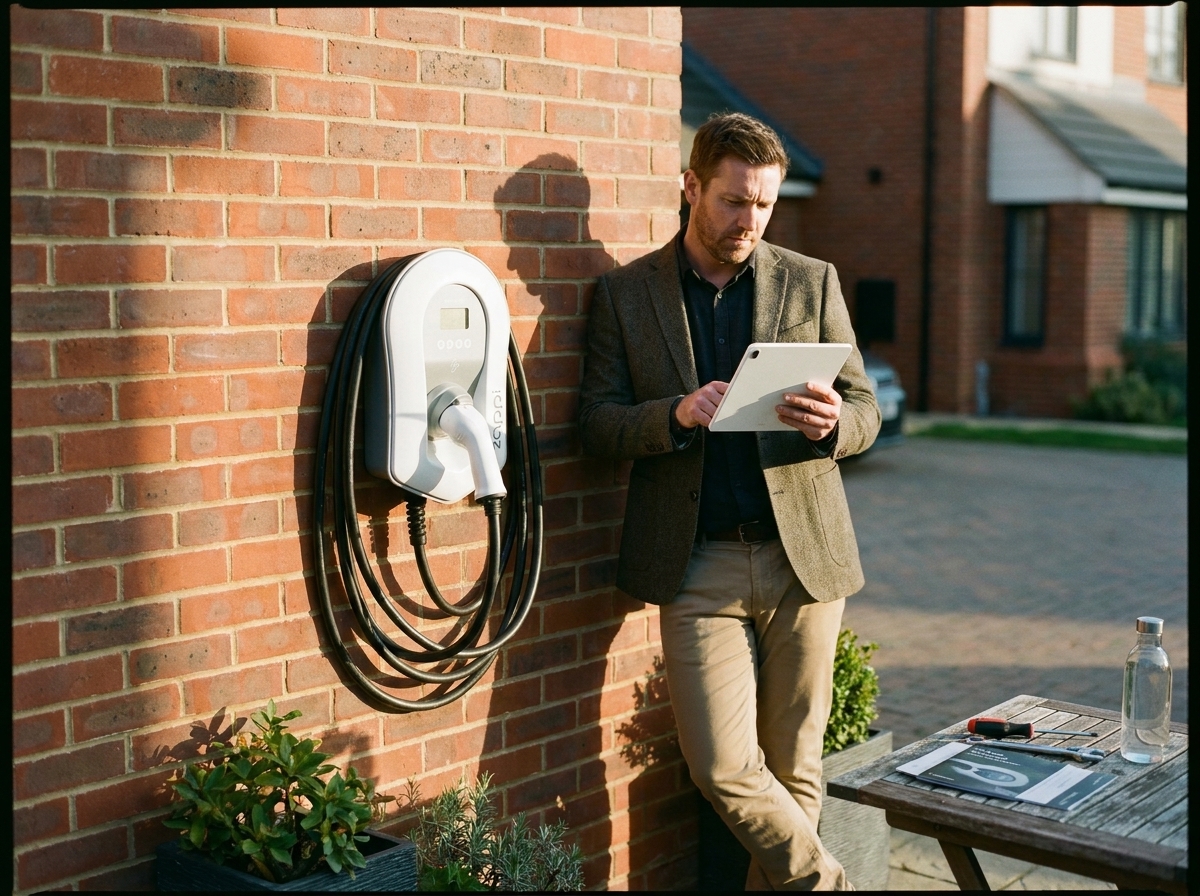
As technology evolves, so do your options for EV charging. Planning ahead ensures your system remains efficient and useful.
Solar PV and Battery Integration
Combining solar panels with your EV charger is a smart move.
-
Renewable Energy Use: Solar panels can power your EV charger, reducing reliance on the grid. This not only saves money but also supports sustainable living.
-
Battery Storage Benefits: By adding battery storage, you can store excess solar energy for use at night or during cloudy days. This maximises your system’s efficiency.
This integration can significantly cut your energy bills and carbon footprint. Plus, you might qualify for government incentives.
Ensuring EV Charger Safety and Compliance
Safety should never be overlooked. Ensuring compliance with safety standards protects both your property and your peace of mind.
-
Hire Certified Installers: Always choose an installer with the right certifications, such as NICEIC. This guarantees they follow industry best practices.
-
Regular Inspections: Schedule regular checks to ensure your system remains safe and compliant. This proactive approach can prevent costly repairs down the line.
A safe charging setup keeps your home and vehicles protected. It also ensures your installation meets all necessary regulations.
Smart EV Charger Options in the UK
Smart chargers bring a host of benefits, from convenience to cost savings. Here’s why they’re worth considering.
-
Remote Monitoring: Manage your charger from a smartphone app. This lets you track energy use and set charging schedules.
-
Load Balancing: Smart chargers can balance the load across your home’s electrical system. This prevents overloads and keeps your system efficient.
Embracing smart technology can make your charging experience smoother and more efficient. It’s a smart investment for today and tomorrow.
By understanding these considerations and planning carefully, you can ensure a smooth, efficient, and future-proof EV charger installation. Whether at home or work, these insights will guide you towards a sustainable energy solution that meets your needs.
Celebrate Earth Day with special offers and sustainable ideas