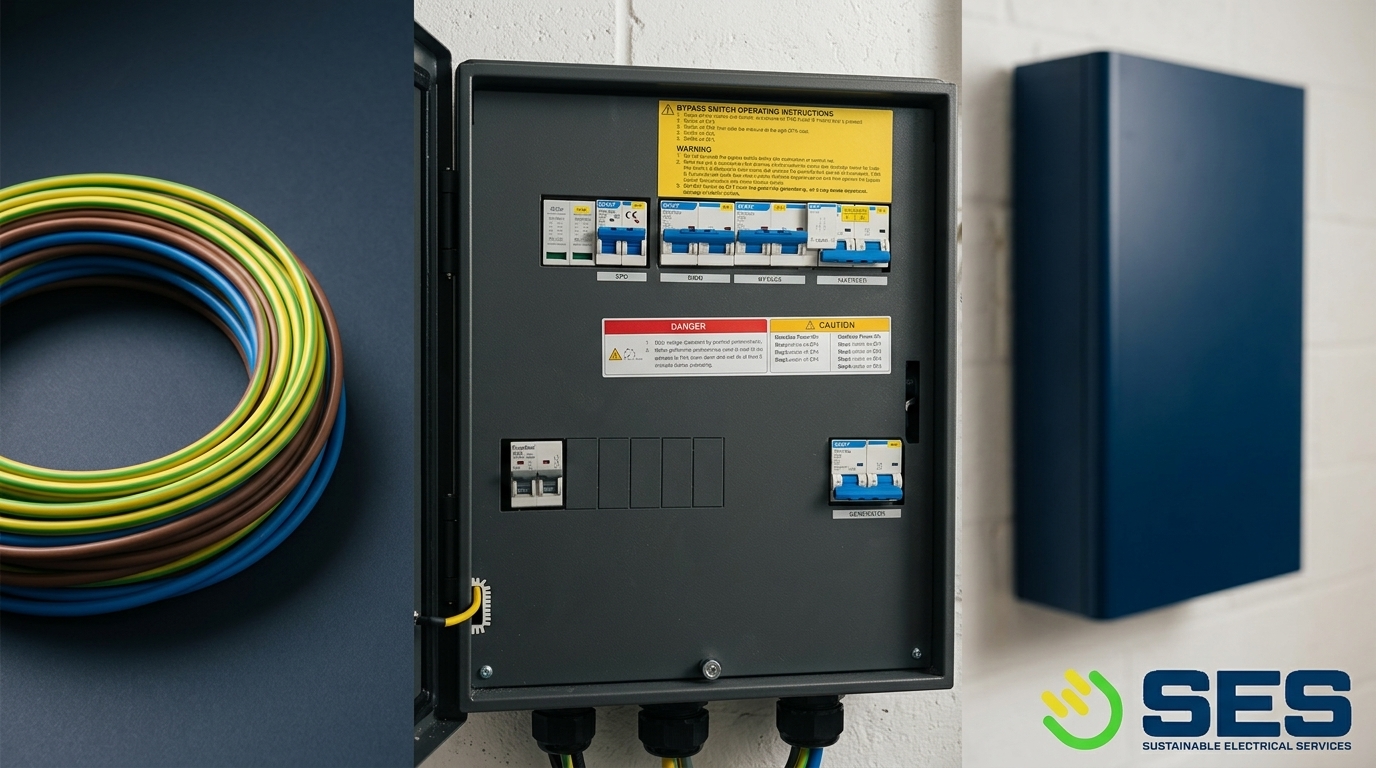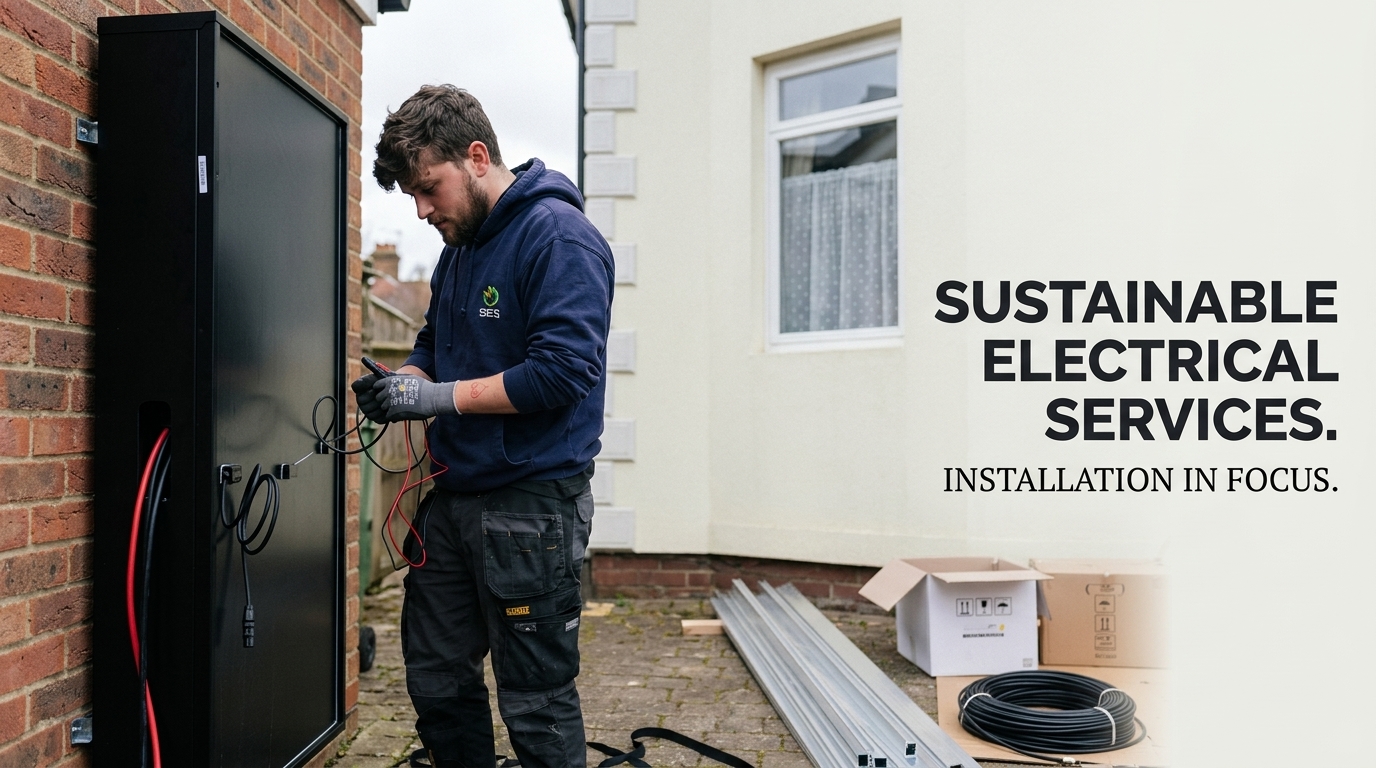
Most people assume a home battery backup powers every appliance during an outage. The truth is, how much backup you need depends on your home’s unique energy use and solar setup. We’ll guide you through what a battery can really support, why sizing matters, and how to build reliable backup power tailored to your household in London and Surrey. For more on choosing the right size and capacity for a solar battery system, have a look at this guide.
Common Misconceptions About Battery Backup
Understanding what a home battery backup can actually power is crucial. Many believe one battery can handle every home appliance, but that’s not the case.
Not Every Battery Powers Everything
You might think a single battery will keep all your lights on during a power cut, but that’s not accurate. Home battery backup systems have limits. They can’t power every device at once. Batteries can handle essential appliances like your fridge and a few lights. Your TV and washing machine? Not so much unless you have a larger system.
When considering battery storage, it’s essential to set realistic expectations. Knowing what a battery can support helps you avoid surprises. Imagine your disappointment if your system can’t handle everything during an outage. By understanding your needs and battery capabilities, you’ll make more informed decisions. You can read more about this topic in this article.
Backup Power For Homes: What It Really Means
Backup power is about peace of mind. During a blackout, having some electricity is better than none. This isn’t about running your entire household as usual. Instead, focus on critical devices. Think about what you need most during a power cut. Is it the fridge to keep your food fresh or a few lights for safety?
Planning helps you decide which circuits are essential. This way, you ensure your battery is ready to serve you when it matters most. It’s a tailored solution. You don’t just buy a generic system; you build one that fits your unique needs.
Integrating Solar PV and Battery Storage
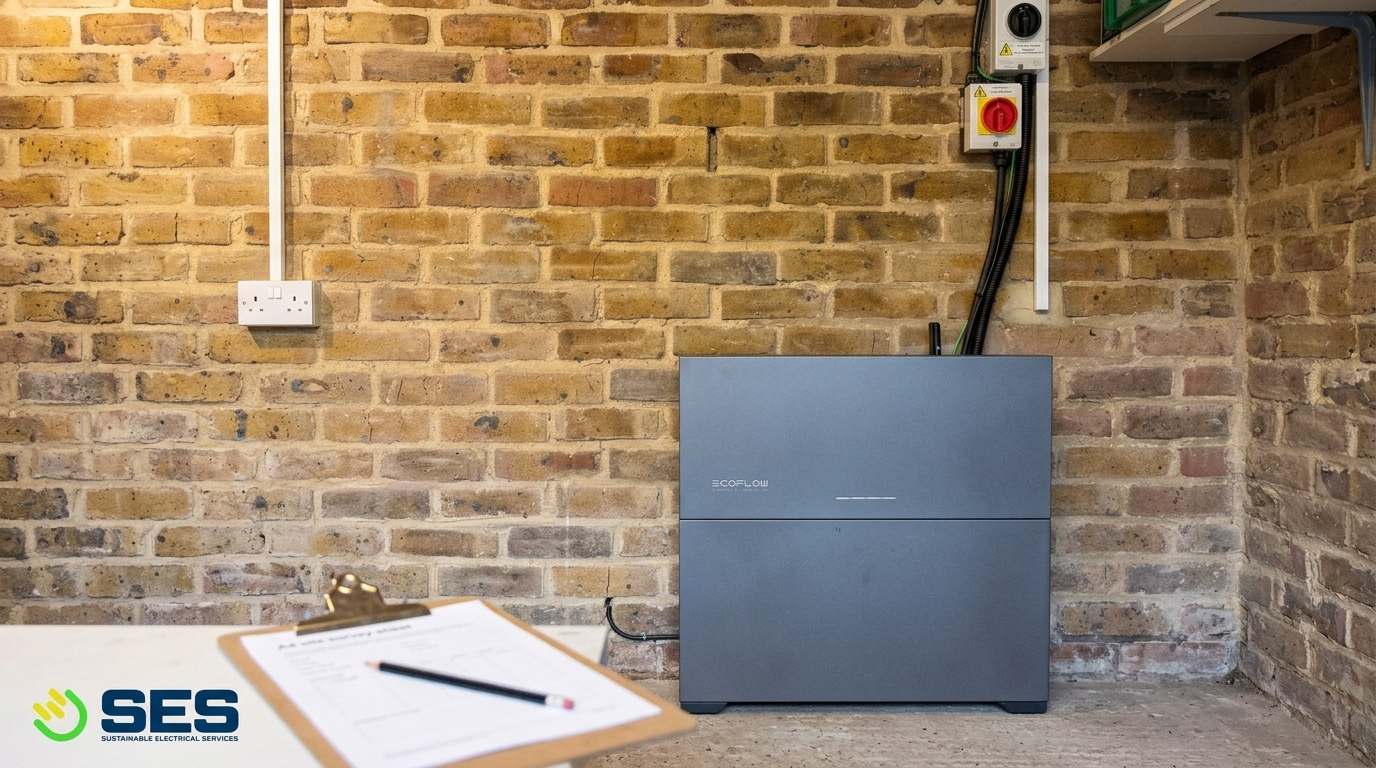
Combining solar panels with battery storage offers more benefits. You’ll maximise your solar energy usage and have backup power when needed.
Solar Battery Surrey: How They Work Together
Solar panels generate electricity when the sun shines. But what happens at night or on cloudy days? That’s where battery storage plays a role. It stores excess solar energy for later use. This integration allows you to use solar power even when the sun isn’t shining.
In Surrey, where weather varies, having a battery ensures you make the most of your solar panels. It’s not about just generating power. It’s about using every watt efficiently. You’ll feel the difference when your evening power needs are met without relying on the grid.
Hybrid Inverter and Domestic Energy Storage
A hybrid inverter is the brain of your solar and battery system. It converts the solar energy into usable electricity and manages the flow between your panels, battery, and home. This integration simplifies your energy management.
The hybrid inverter ensures that your system runs smoothly, automatically switching between solar and stored power. You won’t need to worry about manually changing settings. This seamless operation means your home stays powered with minimal effort on your part, providing convenience and reliability.
Importance of Battery Sizing
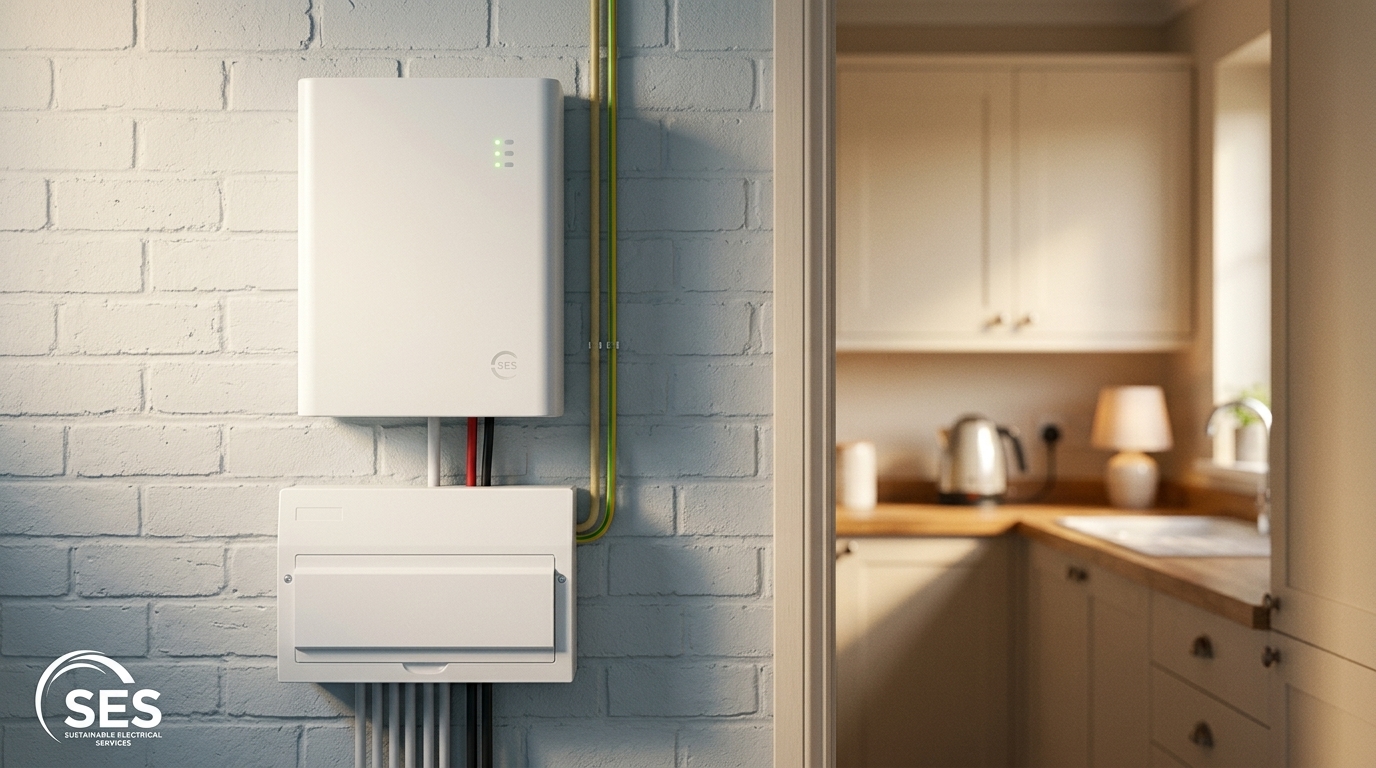
Getting the size of your battery right is like fitting shoes. Too small, and it won’t serve its purpose; too big, and it’s a waste of money.
Why Right-Sizing Matters
Choosing the right battery size is crucial for efficiency. A system that’s too small won’t meet your needs during an outage. Conversely, a too-large system means unnecessary expense. The goal is to match your battery storage to your home’s consumption patterns.
Think about your daily energy use. How many hours of power do you need? Are there heavy energy-consuming devices that run frequently? Answering these questions helps. It means you get a system that’s just right, saving you money and ensuring reliability.
Essential Circuits Backup and Runtime
Focusing on essential circuits ensures your battery’s power lasts. By backing up only crucial devices, like your refrigerator or a few lights, you extend your battery’s runtime. This approach maximises efficiency.
During a power cut, you want to prioritise. Decide which appliances are must-haves. This strategic selection means your battery serves you longer. You’re not just surviving the outage; you’re doing so comfortably and efficiently. For more insights on right-sizing your battery storage system, check out this article.
Frequently Asked Questions
What is a home battery backup system?
A home battery backup system stores electricity for use during power outages. It allows essential devices to continue operating, providing peace of mind and convenience.
How does solar PV work with battery storage?
Solar panels convert sunlight into electricity. Excess energy is stored in the battery for later use, ensuring power availability even when the sun isn’t shining.
Why is battery sizing important?
Proper battery sizing ensures your system meets your home’s energy needs without overspending. It maximises efficiency by matching storage capacity to consumption patterns.
Can a battery power my whole house?
Most batteries can’t power an entire home. They are designed to keep essential devices running during outages, such as lights and refrigeration.
What is a hybrid inverter?
A hybrid inverter manages the energy flow between solar panels, batteries, and your home, ensuring efficient use of solar power and stored energy.