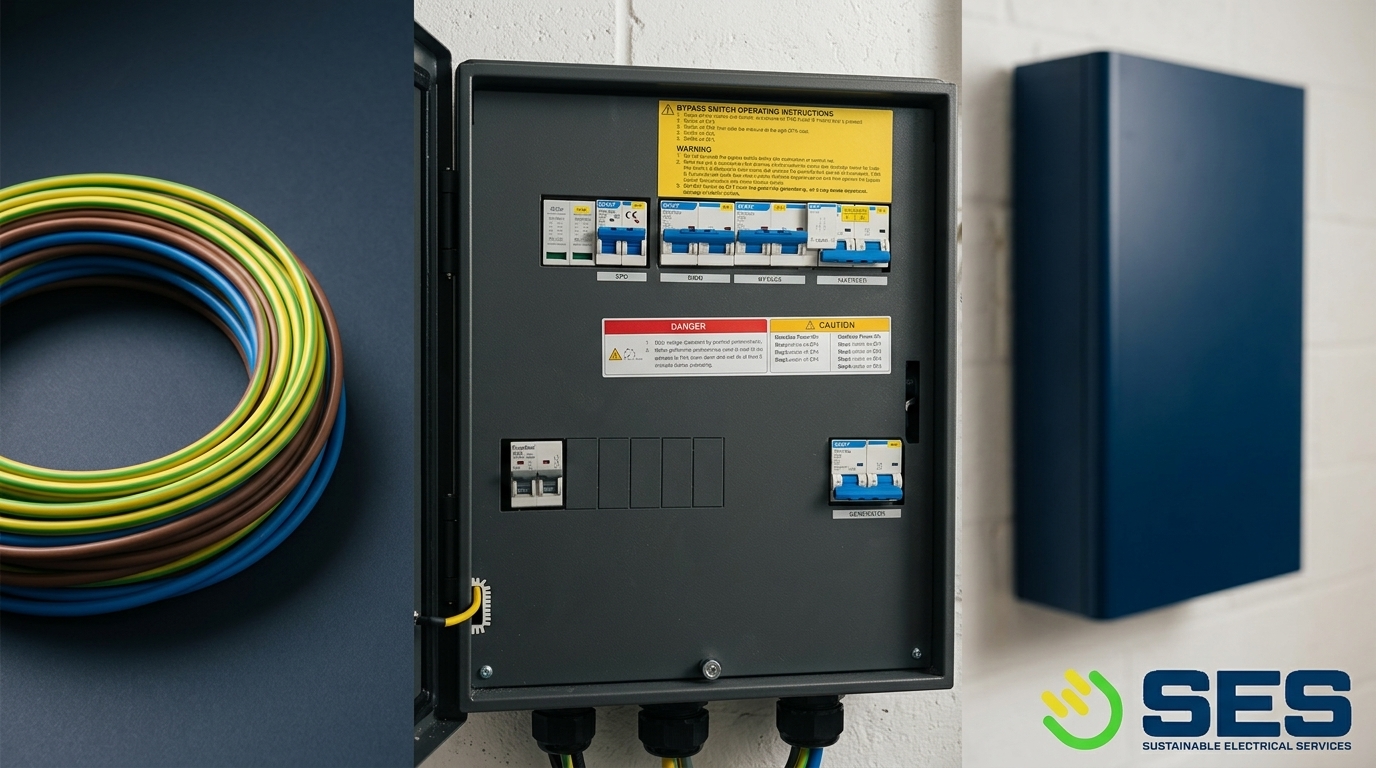
Solar battery storage cost in the UK can vary widely, leaving many homeowners and businesses unsure where to start. If you’re in London or Surrey, understanding what shapes these costs is essential before making any decisions. This guide breaks down realistic price ranges, explains 0% VAT eligibility, and highlights factors like installation type and battery size. Read on to find out how to get a tailored quote that fits your needs and budget. For more detailed insights, you can explore resources like this one.
Factors Influencing Solar Battery Costs
Understanding what affects solar battery storage cost in the UK can help you make informed decisions. Several elements play a significant role in determining the final price you pay.
Key Cost Drivers
Solar battery prices in the UK are influenced by several primary factors. First, the battery capacity is crucial. Larger batteries, which store more energy, naturally cost more. For instance, a 10 kWh battery will generally have a higher price tag than a 5 kWh one. Another factor is the type of battery technology. Lithium-ion batteries tend to be more expensive than lead-acid variants but offer better efficiency and lifespan.
Brand reputation and warranty terms also impact costs. Some brands offer longer warranties, which can provide peace of mind but may come at a higher cost. Additionally, fluctuations in the global market can affect prices. As demand increases and technology advances, prices may adjust accordingly.
Installation Variables to Consider
When considering installation, several variables influence the cost. The complexity of your setup is a primary consideration. If your installation requires significant adjustments to existing infrastructure, expect higher costs. Geography also plays a role. Installations in areas with challenging weather or terrain may incur additional expenses.
Moreover, the choice between a hybrid inverter or an AC-coupled system can affect both complexity and cost. Hybrid inverters often simplify the setup by integrating battery storage with solar panels, potentially reducing overall expenses. However, AC-coupled systems might offer more flexibility for future expansions.
Explore more insights on how these variables impact your overall investment in solar battery storage.
0% VAT Eligibility
One of the key financial benefits to consider is the potential for 0% VAT. This applies to certain energy-saving materials and installations, including solar battery storage under specific conditions. Homeowners and businesses in London and Surrey should verify their eligibility, as this can significantly reduce upfront costs.
To qualify, installations must meet specific criteria, often related to the purpose and primary use of the system. For example, the system should typically be used in a residential setting or for charitable purposes. Understanding these requirements can make solar storage more affordable.
Realistic UK Price Ranges
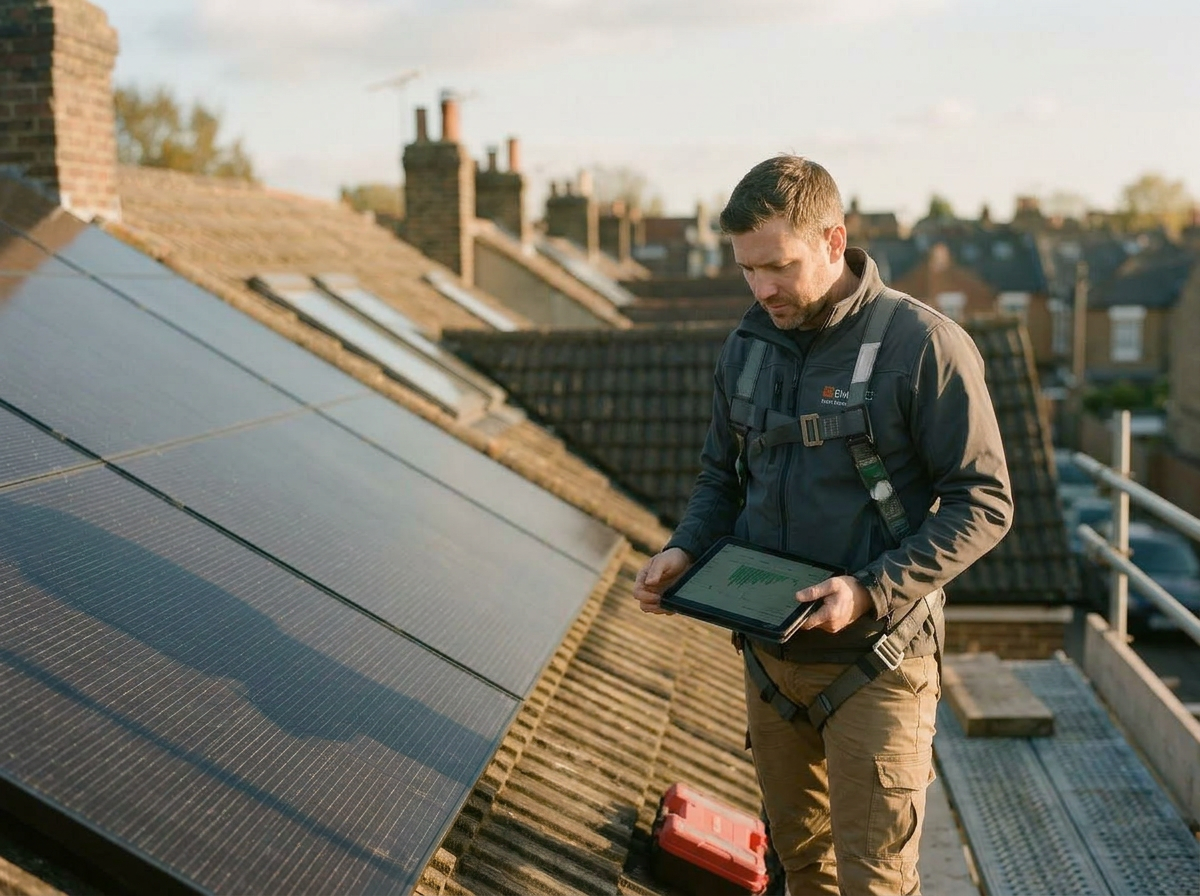
Once you grasp the factors influencing costs, exploring actual price ranges within the UK market can guide your budgeting. Let’s dive into specific categories for both homes and businesses.
Home Battery Pricing
Home battery prices in the UK vary based on capacity and technology. Typically, a small 5 kWh battery might cost around £2,500 to £4,000, including installation. Larger systems, such as 10 kWh units, can range from £5,000 to £8,000. These prices reflect current market trends, but it’s essential to shop around for the best deals and warranties.
For homeowners, choosing the right battery size is crucial. Too small, and you won’t meet your energy needs. Too large, and you may overspend. Always consider your daily energy consumption and future needs when deciding.
Commercial Battery Considerations
For businesses, solar battery storage cost involves different dynamics. Commercial solar battery UK systems often demand higher capacities, leading to increased investment. For example, a 20 kWh system might start at £10,000 but can climb depending on specific energy requirements.
Businesses must also consider operational savings. Investing in battery storage can reduce peak demand charges, contributing to significant savings over time. The long-term benefits often justify the initial costs, especially for companies aiming for energy independence.
Comparing Hybrid and AC-Coupled Systems
Choosing between hybrid inverters and AC-coupled systems can impact both cost and functionality. Hybrid inverter vs AC-coupled systems offer distinct advantages. Hybrid systems streamline installations by combining solar and storage functions, often resulting in lower overall expenses.
On the other hand, AC-coupled systems allow greater flexibility, ideal for those planning future expansions or upgrades. Consider your current and future energy plans when deciding, and consult experts for tailored advice.
Maximising Return on Investment
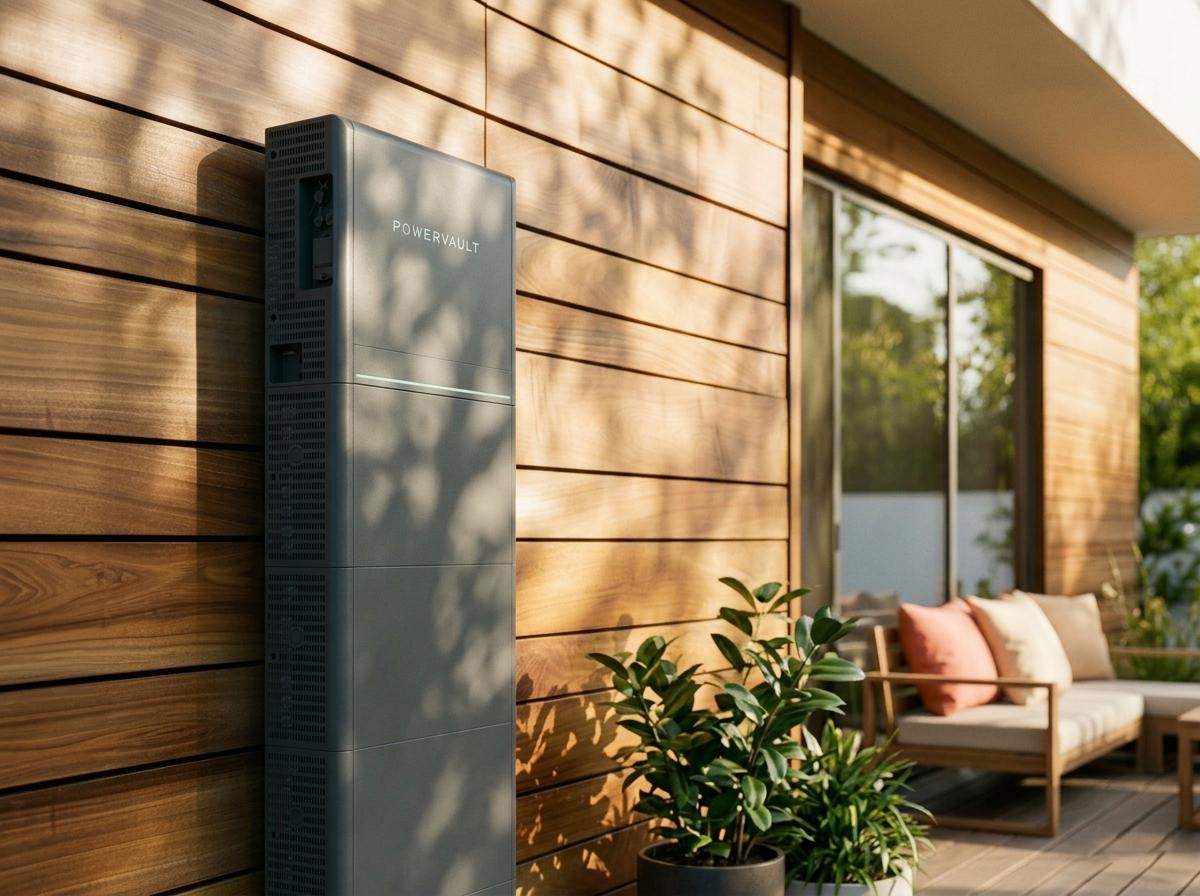
Investing in solar battery storage isn’t just about upfront costs; it’s about the long-term benefits. Maximising your return involves understanding payback periods, tariffs, and the importance of quality installations.
Solar Payback and Savings
A significant appeal of solar battery storage is the potential savings on energy bills. In the UK, the typical payback period ranges from 7 to 10 years, depending on energy consumption and battery size. This timeline might shorten as energy prices rise, increasing your savings.
Consumers often notice immediate reductions in their electricity bills, reinforcing the value of solar storage. By storing excess solar energy, you reduce reliance on the grid, enhancing savings over time.
SEG Tariffs and Energy Independence
The Smart Export Guarantee (SEG) is a critical factor in achieving energy independence. This scheme pays you for the excess energy your system exports to the grid. Understanding SEG tariffs UK can influence your investment’s profitability.
By participating, you can earn additional income, further offsetting initial costs. Achieving energy independence not only boosts savings but also offers peace of mind against future energy price hikes.
Importance of MCS Installers and Warranties
Selecting an accredited installer is crucial for ensuring reliable performance. MCS installer London and other certified professionals guarantee that systems meet high standards. This not only affects system longevity but also your eligibility for financial incentives.
Warranties play a significant role too. Comprehensive warranties protect your investment, offering coverage against potential issues. Always verify warranty terms and installer credentials before proceeding.
In conclusion, understanding solar battery storage cost in the UK requires considering multiple factors. By doing so, you can make informed decisions that maximise both immediate and long-term benefits. For a more detailed discussion, refer to this insightful report.
Start the new year strong with expert advice and early project booking.