Solar lights have grown popular, but they’re not always the best answer for every property or purpose. With over 30 years of experience across London and Surrey, we know that their true value appears only when they fit into a wider solar plan tailored to your site. In this post, you’ll learn when solar lighting delivers real savings and reliability—and when another approach might serve you better. You can explore more about renewable energy solutions in this Solar Light Guide.
When Solar Lights Shine
Solar lights can be a great addition to your outdoor space when used appropriately. They are a renewable energy solution that can offer significant benefits when integrated into a broader plan.
Benefits of Solar Lighting
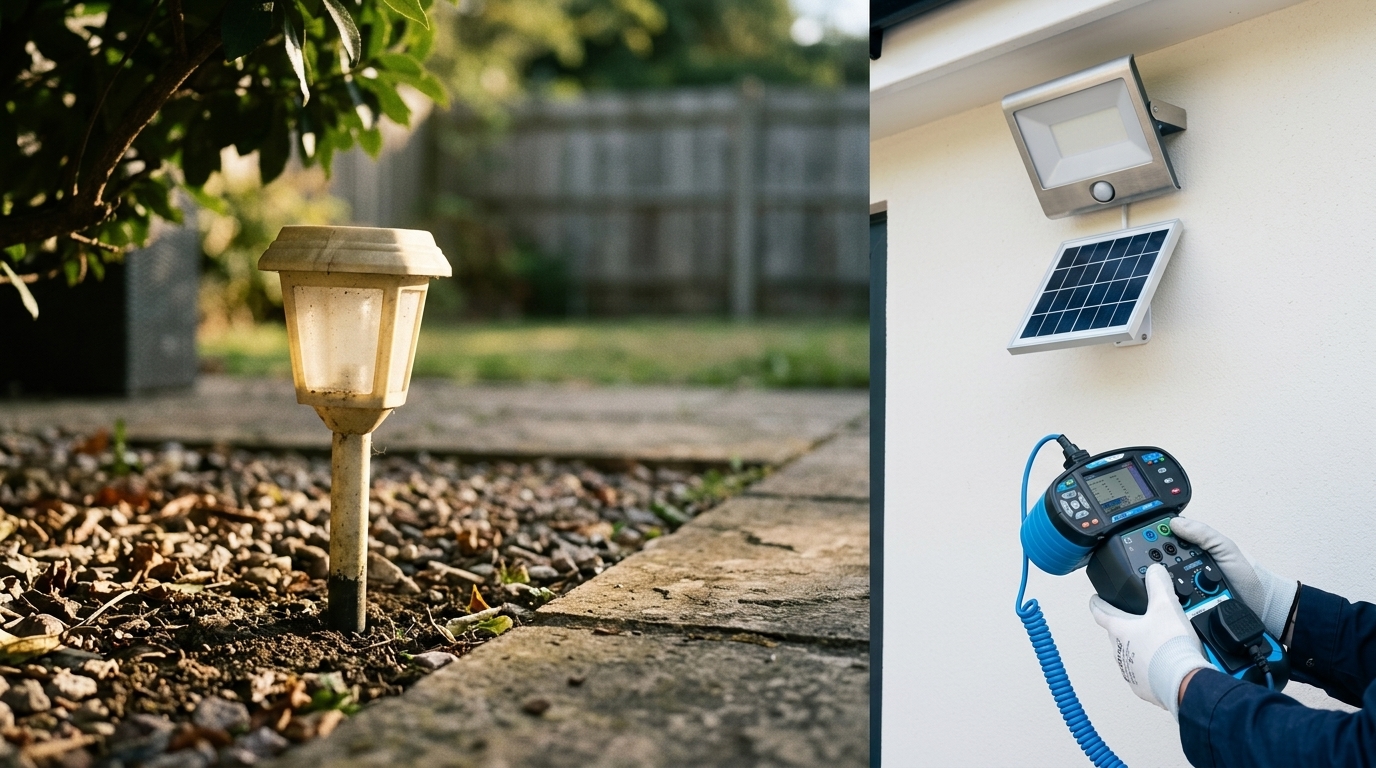
Solar lights provide power savings and are an eco-friendly option. They eliminate the need for wiring, reducing installation costs. They also offer flexibility in design and placement, making them suitable for gardens, pathways, and remote locations. With solar lights, you can enhance the aesthetics of your property while contributing to a greener environment.
For commercial properties, solar lights can improve security and visibility in car parks and around building exteriors. Many businesses in London and Surrey have found that installing solar lights can lower their energy bills and decrease their carbon footprint. Plus, these lights require minimal maintenance, which adds to their long-term value.
Ideal Conditions for Solar Lights
Solar lights work best in areas with plenty of sunlight. They are most effective when installed in open spaces without shade, ensuring they receive the maximum amount of sunlight during the day. These lights are ideal for properties in sunny regions or seasons, as they rely on solar energy to function.
For optimal performance, consider the orientation and angle of the panels. Proper placement will ensure they capture as much solar energy as possible. If your property in London or Surrey has areas that receive consistent sunlight, solar lights can be a practical and efficient choice. For more tips on selecting high-quality solar lights, check out this guide.
When to Look Elsewhere
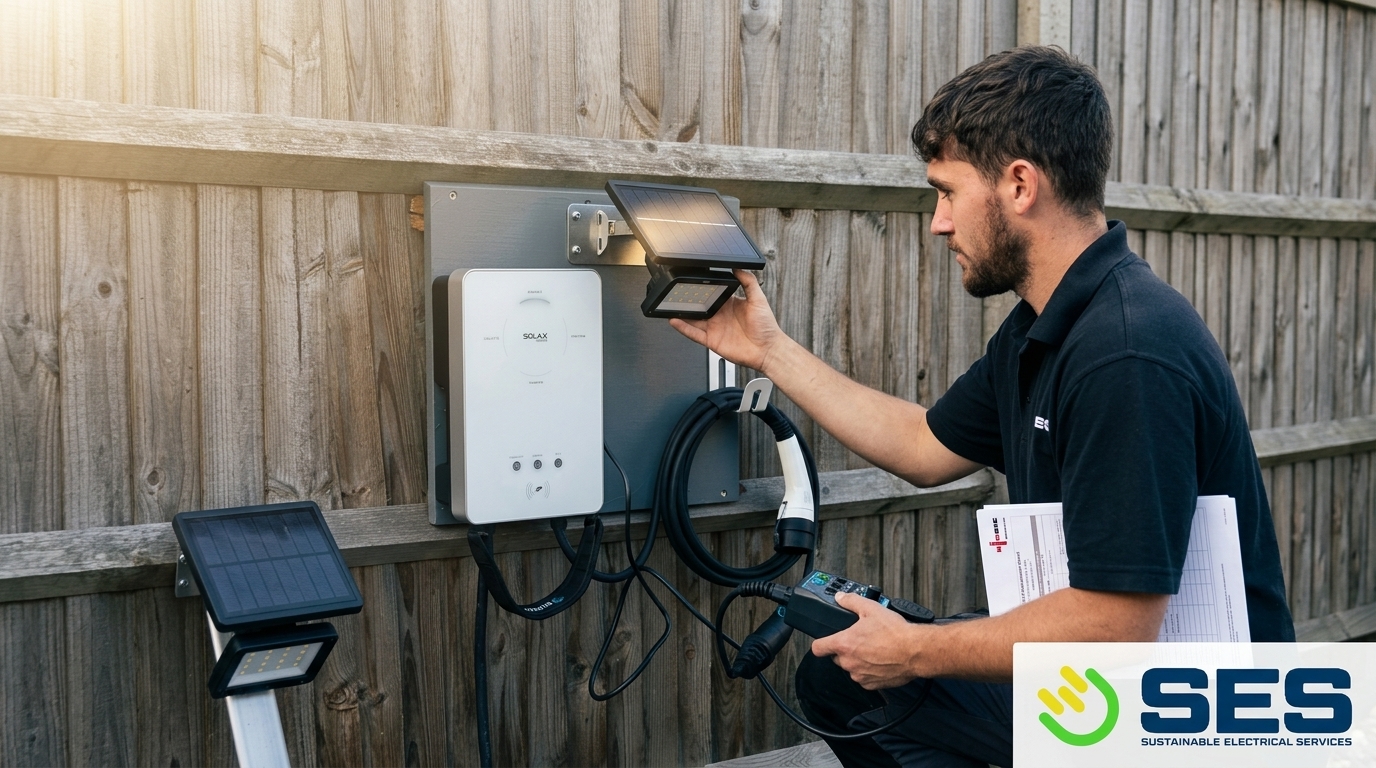
Solar lighting is not a one-size-fits-all solution. In certain conditions, they might not be the best choice, and alternative lighting options should be considered.
Limitations of Solar Lighting
Solar lights depend on sunlight, which makes them less effective in consistently shaded areas or cloudy climates. Performance can drop significantly during winter months or in locations with high levels of pollution, which blocks sunlight.
Additionally, solar lights might not be suitable for high-traffic areas that require bright and consistent lighting, such as busy streets or large commercial spaces. Their brightness and reliability might not meet the demands of these settings. Maintenance can also be a challenge in areas prone to dust or rain, as it can obstruct solar panels and reduce efficiency.
Alternatives to Solar Lights
For areas where solar lights are impractical, consider other energy-efficient options like LED lighting. LED lights provide consistent brightness and can be coupled with motion sensors to further reduce energy consumption. When connected to the mains, they offer reliable and powerful illumination, making them ideal for high-demand areas like car parks and busy pathways.
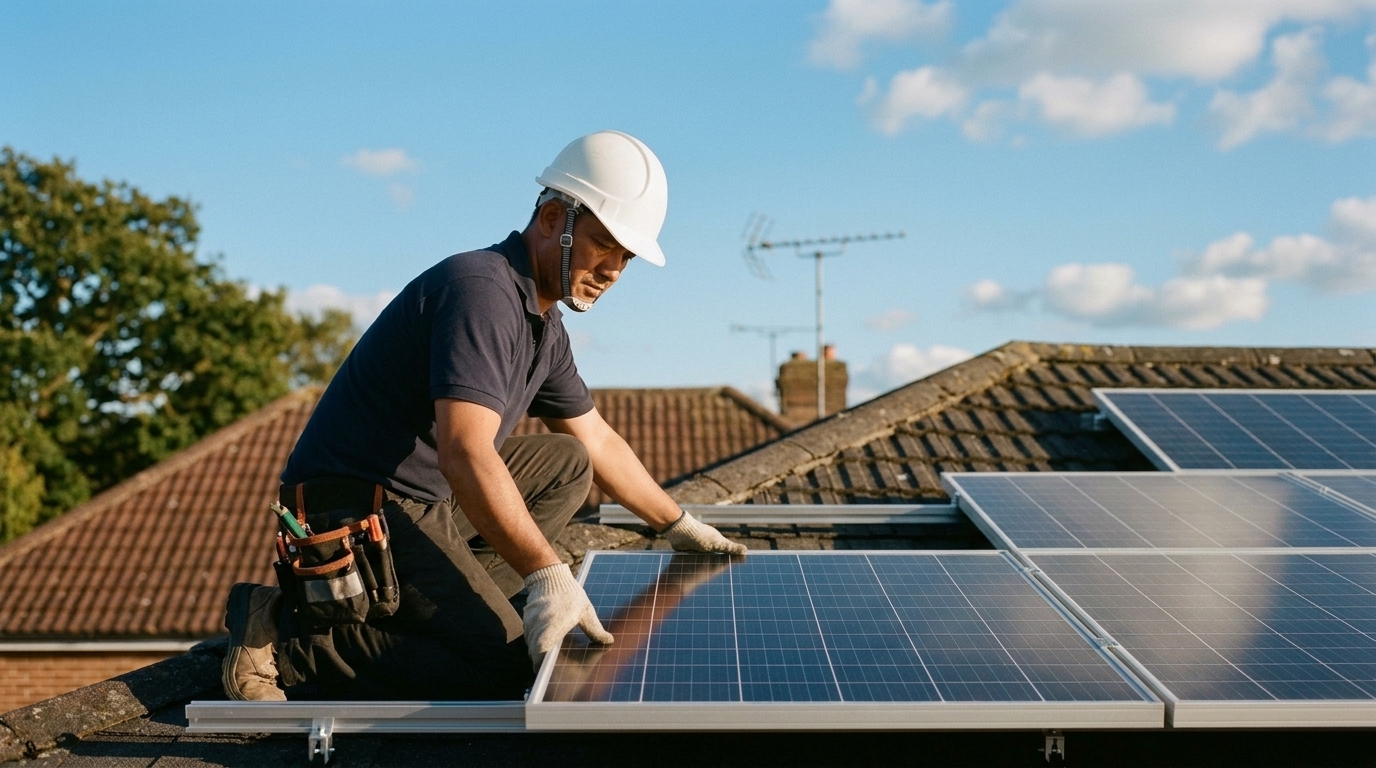
Another alternative is integrating solar panels with battery storage. This setup allows you to harness solar energy during the day and power lights at night, ensuring consistent performance regardless of sunlight availability. To maximise savings and energy security, consider solar panel battery installation.
Integrating Solar with Broader Strategy
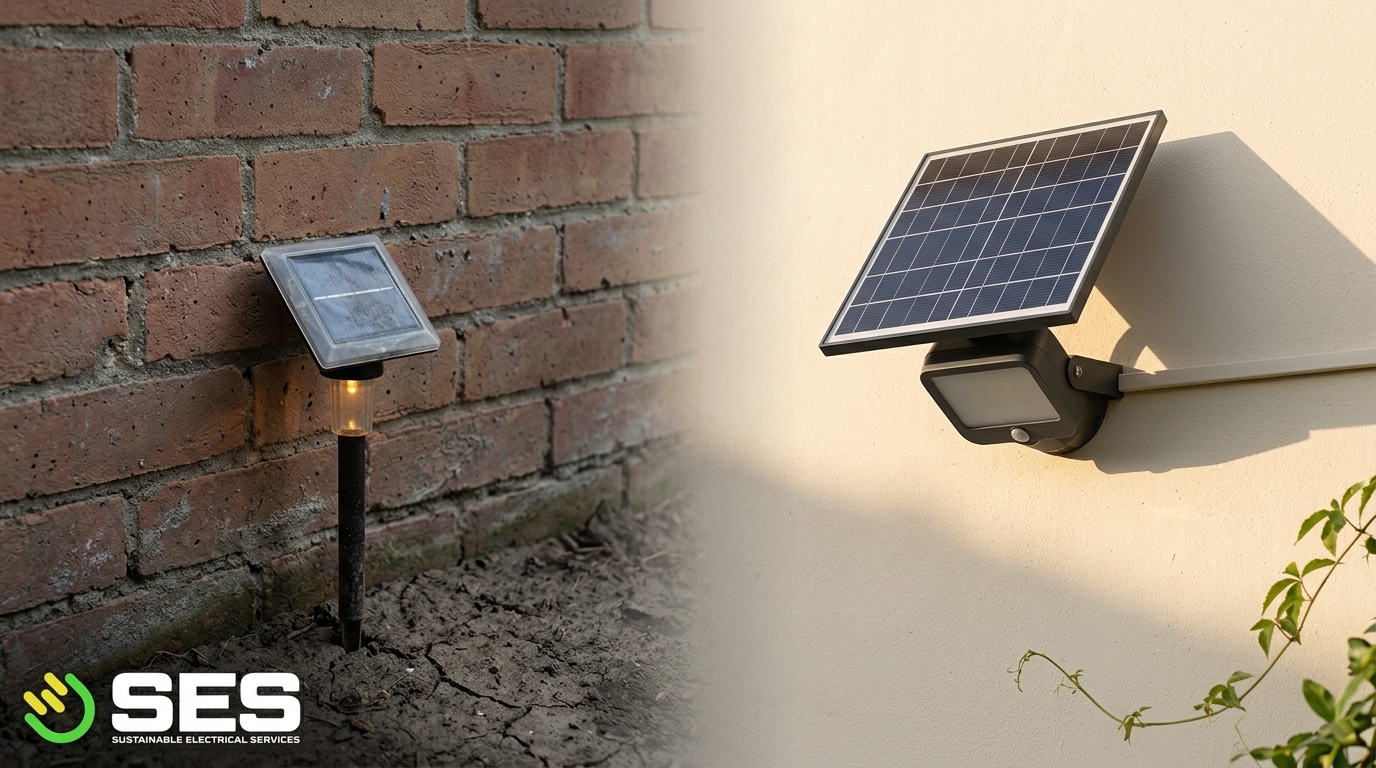
To truly benefit from solar lighting, it should be part of a larger, sustainable energy strategy. This ensures that your setup is efficient, reliable, and tailored to your property’s needs.
Planning a Sustainable Setup
Start by assessing your property to identify suitable locations for solar lighting. Consider your energy needs and how solar lights can complement other renewable solutions like solar PV and battery storage. This assessment will help maximize the efficiency and savings of your solar setup.
Engaging with an expert can provide valuable insights into the best practices for integrating solar lights. Proper planning can prevent unnecessary costs and ensure your system aligns with current regulations and standards. For further guidance, consult resources like the IREC best practices.
Expert Guidance and Site Surveys
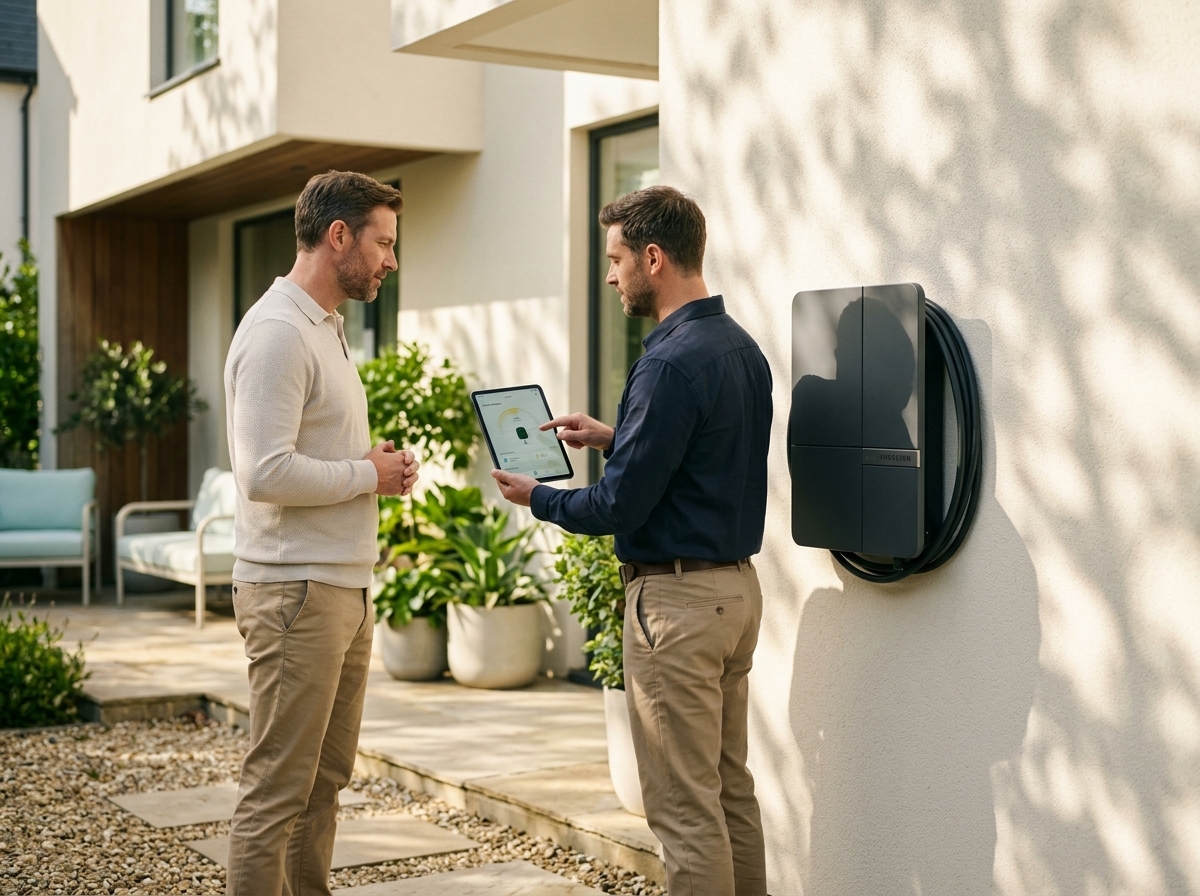
Professional guidance is crucial when planning a sustainable setup. Experts can perform site surveys to evaluate the potential of your property, recommending the best locations and configurations for solar lighting. They can also advise on the integration of other renewable energy solutions, such as EV charging and solar PV, tailored to your specific needs.
Working with accredited installers ensures your system meets quality standards, providing peace of mind and reliability. In London and Surrey, engaging with MCS accredited installers guarantees that your solar lights are part of a well-planned and efficient energy strategy.
Frequently Asked Questions
What are the advantages of using solar lights?
Solar lights offer power savings, environmental benefits, and flexibility in design and placement. They reduce the need for wiring and require minimal maintenance, making them a cost-effective solution for outdoor lighting.
When should I avoid using solar lights?
Avoid using solar lights in shaded areas or regions with frequent cloud cover, as they depend on sunlight to function effectively. They may also be unsuitable for high-traffic areas requiring consistent and bright lighting.
How can I integrate solar lights into my energy strategy?
Integrating solar lights into your energy strategy requires assessing your property’s needs and potential for solar energy. Consider combining solar lights with other renewable solutions like solar PV and battery storage, and seek expert guidance for a tailored setup.
What alternatives exist to solar lighting?
Alternatives to solar lighting include LED lights and solar panels with battery storage. LED lights provide consistent brightness and energy efficiency, while battery storage allows for energy use during low-sunlight periods.
Why is professional guidance important for solar installations?
Professional guidance ensures that your solar setup meets quality standards and regulatory requirements. Experts can provide site surveys, recommend optimal configurations, and help integrate solar solutions into a broader energy strategy.