Smart home integration with your solar, battery and EV system can seem straightforward until you hit unexpected technical or financial hurdles. Many homeowners in London and Surrey start with good intentions but overlook key details like inverter compatibility, time-of-use tariffs or DNO approval. Understanding these factors helps you avoid costly delays and ensures your home energy management system delivers real savings and convenience. Let’s explore what you need to know before taking the next step. Learn more about energy management in smart homes.
Key Technical Considerations
When integrating your home energy system, technical aspects play a crucial role in ensuring smooth operation. Let’s dive into the specifics to get you started on the right path.
Inverter Compatibility and DNO Approval
Your inverter must be compatible with your solar PV system. This compatibility ensures efficient energy conversion from DC to AC. Equally important is securing DNO approval, which allows you to connect your system to the grid safely. Without this approval, you could face unnecessary delays or penalties.
Not all inverters are created equal. Some are purpose-built for smart home systems. Choosing the right one saves you headaches down the line. Always consult with a battery storage installer to verify compatibility and streamline your setup.
Smart Home Integration Protocols
Smart home systems rely on protocols like Zigbee, Z-Wave, or Matter. These protocols enable your devices to communicate seamlessly. When setting up, ensure your smart home devices and energy systems use compatible protocols to avoid integration hiccups.
For instance, if your devices support Zigbee, stick with it for new additions. This consistency simplifies your installation process. Always check for compatibility, as mixing protocols can complicate your setup and affect performance.
Energy Monitoring Apps and Systems
Energy monitoring apps are your window into your home’s energy usage. They help track consumption, manage devices, and optimize savings. Choose apps that offer clear data visualization and real-time alerts.
Popular options like Home Assistant or Google Home can integrate with your smart system, offering control at your fingertips. The right app not only provides insights but also helps you make informed decisions on energy monitoring systems.
Practical Planning Aspects
Once you’ve tackled the technical side, it’s time to consider practical elements. These aspects will help you maximise savings and efficiency in your home energy management.
Load Shifting and Time-of-Use Tariffs
Load shifting involves using energy during low-demand periods. Time-of-use tariffs, like the Octopus Agile, reward you for shifting your usage to off-peak hours. By doing this, you can reduce your energy bills significantly.
Start by identifying high-consumption appliances and scheduling them during cheaper rate periods. This simple adjustment can lead to big savings over time. Remember, the key is consistency to truly benefit from these tariffs.
Solar Self-Consumption and Export Tariffs
Boosting solar self-consumption means using your generated solar energy instead of exporting it. While export tariffs offer a way to earn from excess energy, self-consumption can be more financially rewarding.
Consider a battery storage system to store unused solar energy. This way, you tap into your reserves when the sun isn’t shining. Over time, this strategy reduces reliance on the grid and boosts your savings.
Smart EV Charging and Heat Pump Integration
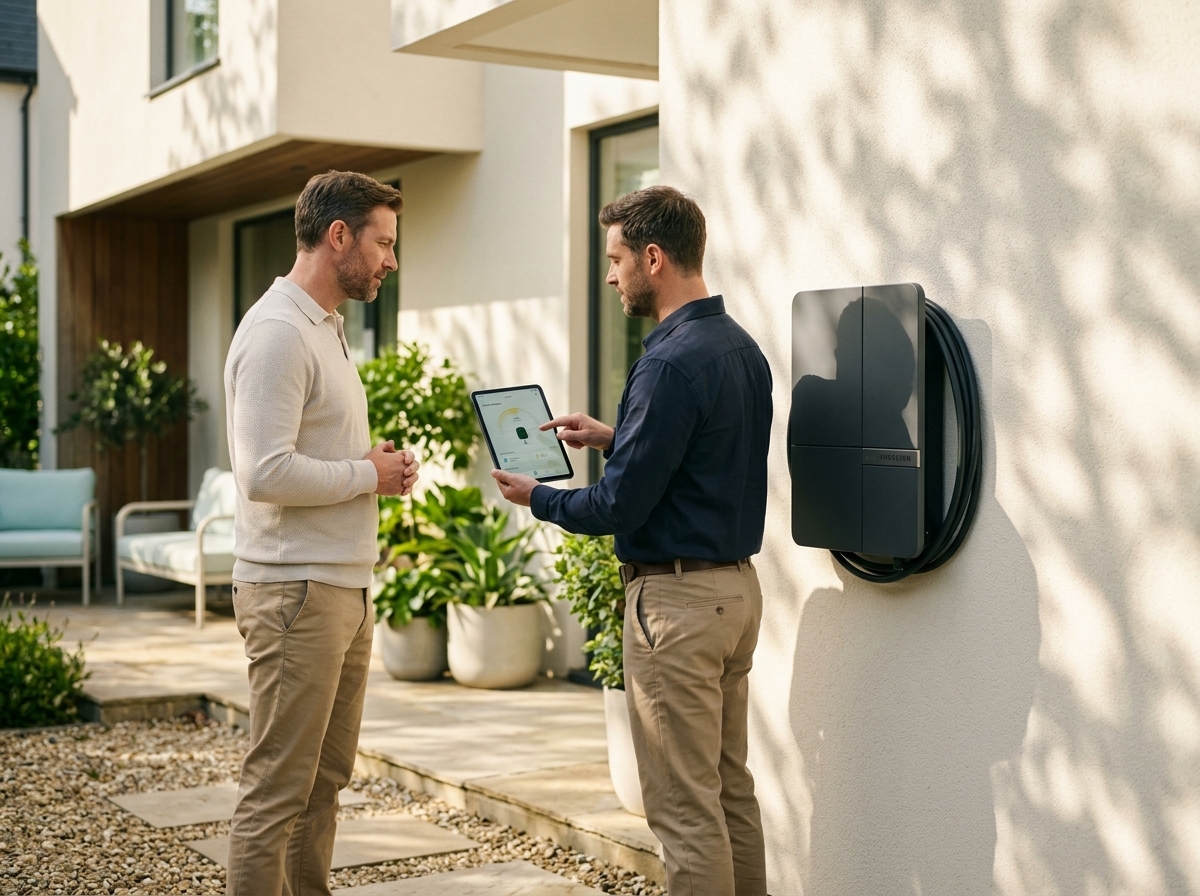
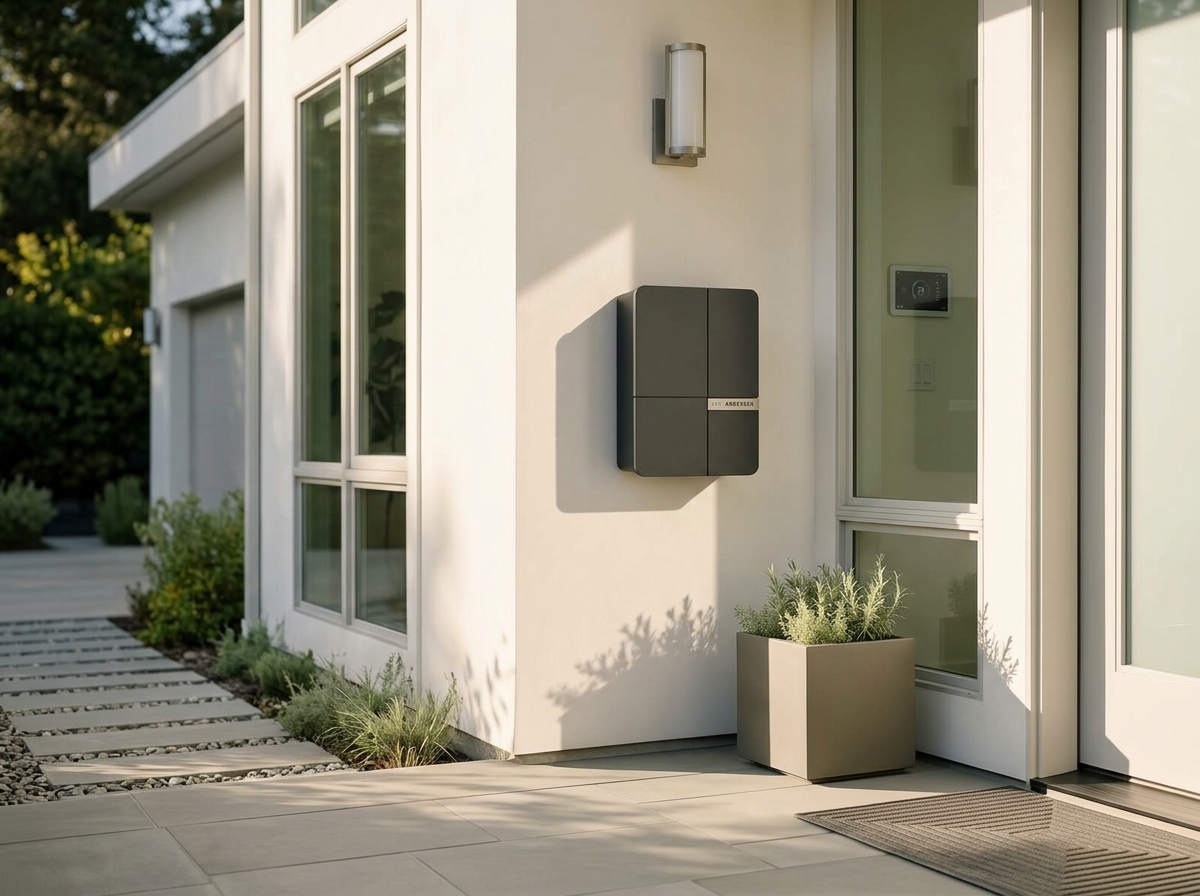
Smart EV charging lets you charge your vehicle during off-peak hours, cutting costs and strain on the grid. Coupling this with heat pump integration creates a comprehensive approach to energy efficiency.
Ensure your EV charger supports smart features, allowing you to schedule charging times and monitor usage. Pairing it with a heat pump can further optimize your household’s energy profile, providing comfort without high expenses.
Financial and Sustainability Benefits
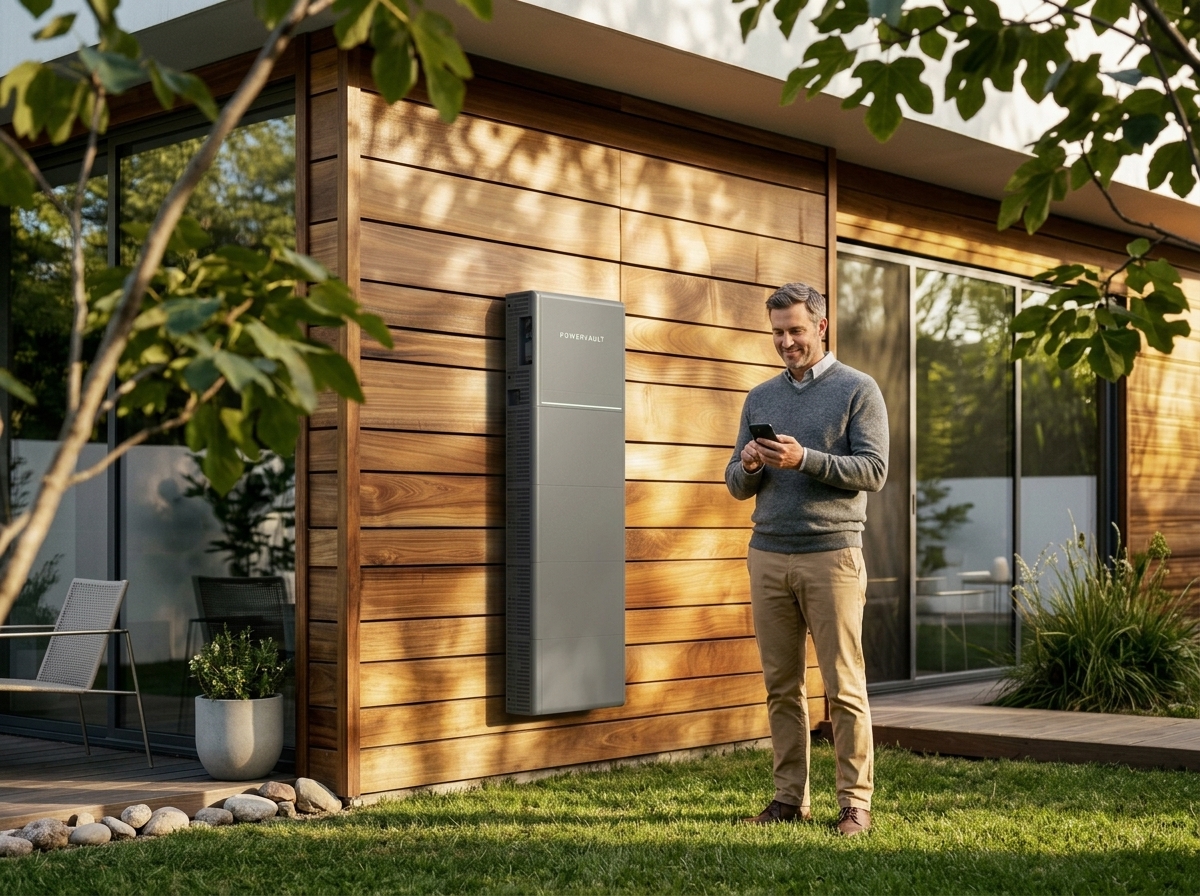
Understanding the financial and environmental impacts of your energy system is key. It’s not just about saving money, but also about contributing to a sustainable future.
Cost Savings with Smart Tariffs
Smart tariffs offer flexibility and savings. They adapt to your usage patterns, rewarding you for off-peak consumption. With the right plan, you could see a noticeable reduction in your bills.
Take advantage of demand response schemes that pay you to reduce consumption during peak times. This provides a dual benefit: savings and a lower carbon footprint, making your home more sustainable.
Solar Panels in Surrey and London
In regions like Surrey and London, solar panels are an excellent investment. They harness abundant sunlight, translating it into energy savings. Choosing the right panels is crucial for optimal performance.
Research local incentives or grants that can offset installation costs. This can significantly lower your initial investment, allowing you to enjoy the benefits sooner. Solar PV London solutions offer tailored advice to enhance your setup.
Battery Storage Installer Insights
Battery storage systems are vital for maximizing solar energy. They store excess power for later use, ensuring none of your generated energy goes to waste. Partnering with a NICEIC approved contractor ensures a reliable installation.
Quality installation not only enhances efficiency but also extends system lifespan. Investing in a reputable installer protects your investment and keeps your home energy management system running smoothly.
In conclusion, considering these factors when integrating smart home technology with your solar, battery, and EV systems ensures a smoother transition, maximizes savings, and contributes to a more sustainable home environment.
Explore smart solutions that put control and savings in your hands.