Choosing the Right Bespoke Solar PV System for Your Property and Energy Needs: A London & Surrey Guide
Choosing the right bespoke solar PV system can feel overwhelming with so many options tailored to your property and energy needs. From roof type and shading to system size and battery storage, every detail affects performance and savings. This guide breaks down key factors for London and Surrey homes and businesses, helping you make informed choices that suit your budget and lifestyle. Keep reading to see how our MCS accredited installers can support your journey towards reliable, sustainable solar panels London trusts. For more insights, visit this guide.
Assessing Your Energy Needs
Understanding your energy needs is the first step towards a custom solar solution. Let’s explore how to effectively review your consumption and property conditions, ensuring your system is just right.
Understanding Energy Consumption
Your energy consumption is more than just numbers on a bill. It’s about understanding when and how you use power. Start by reviewing your past electricity usage over a year to spot patterns. For instance, if you notice spikes in winter, your heating might be a key factor. Knowing this helps you plan a system that meets your needs.
Many people assume solar is just for sunny days, but modern systems are efficient even in cloudy weather. 85% of UK homes could benefit from solar. By sizing your system based on actual usage, you avoid overspending on unnecessary panels. Track daily habits too: Are you home during the day? Do you charge devices overnight? These insights guide your decisions.
Evaluating Property Type and Roof Orientation
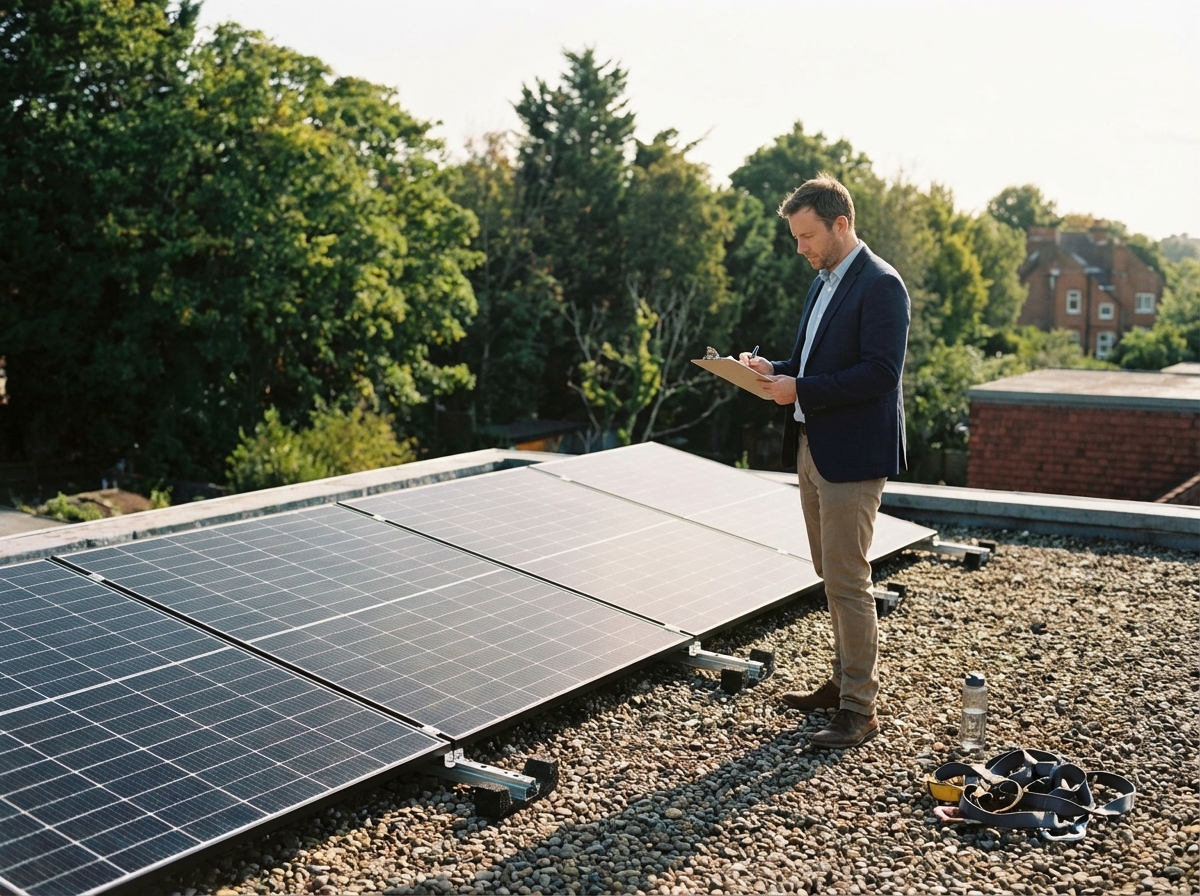
Your property’s unique features play a crucial role in solar efficiency. The type of building and roof orientation can significantly influence system performance. South-facing roofs are ideal as they capture maximum sunlight. But don’t fret if your roof faces another direction. With the right setup, even east or west-facing roofs can yield good results.
Consider your building type too. Detached homes offer more flexibility compared to flats. Flat roofs can accommodate special mounting systems that angle panels optimally. Always remember: the right fit depends on your setup. For a deeper dive into solar potential on different roofs, check out this resource.
Conducting Roof Survey and Shading Analysis
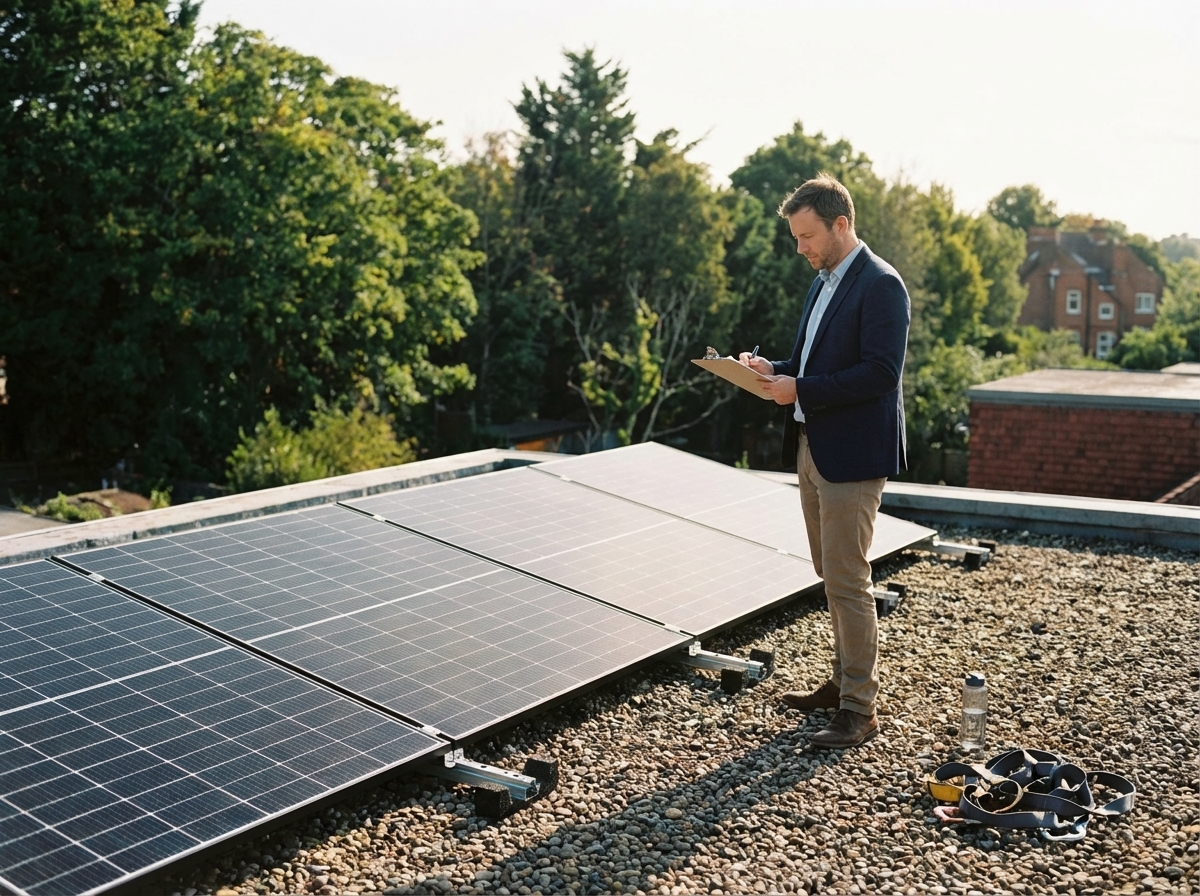
A thorough roof survey is essential to identify potential shading issues. Trees, chimneys, and nearby buildings can cast shadows, affecting performance. Don’t let this discourage you. Solutions like microinverters and optimisers can mitigate shading impacts.
Most people think shade ruins solar efficiency, but strategic placement and technology adaptations can overcome this. A professional assessment will tell you exactly where to place panels for optimal sunshine exposure. By understanding these factors, you’re already ahead in your solar journey.
Selecting the Right System Components
Once your energy needs are clear, the next step is choosing the right system components. Each part plays a role in ensuring efficiency and sustainability.
Exploring Battery Storage Solutions
Battery storage is a game-changer for solar users. It allows you to store unused energy for later use, reducing dependency on the grid. Imagine using solar power even when the sun isn’t shining. This is especially beneficial during evenings or power cuts.
Battery systems can save up to 30% more on electricity bills. When selecting a battery, consider its capacity and cycle life. Larger batteries store more energy but may cost more upfront. Evaluate your nighttime usage to determine the right size. A trusted installer can guide you in selecting a battery that aligns with your lifestyle.
Choosing Inverters and Mounting Options
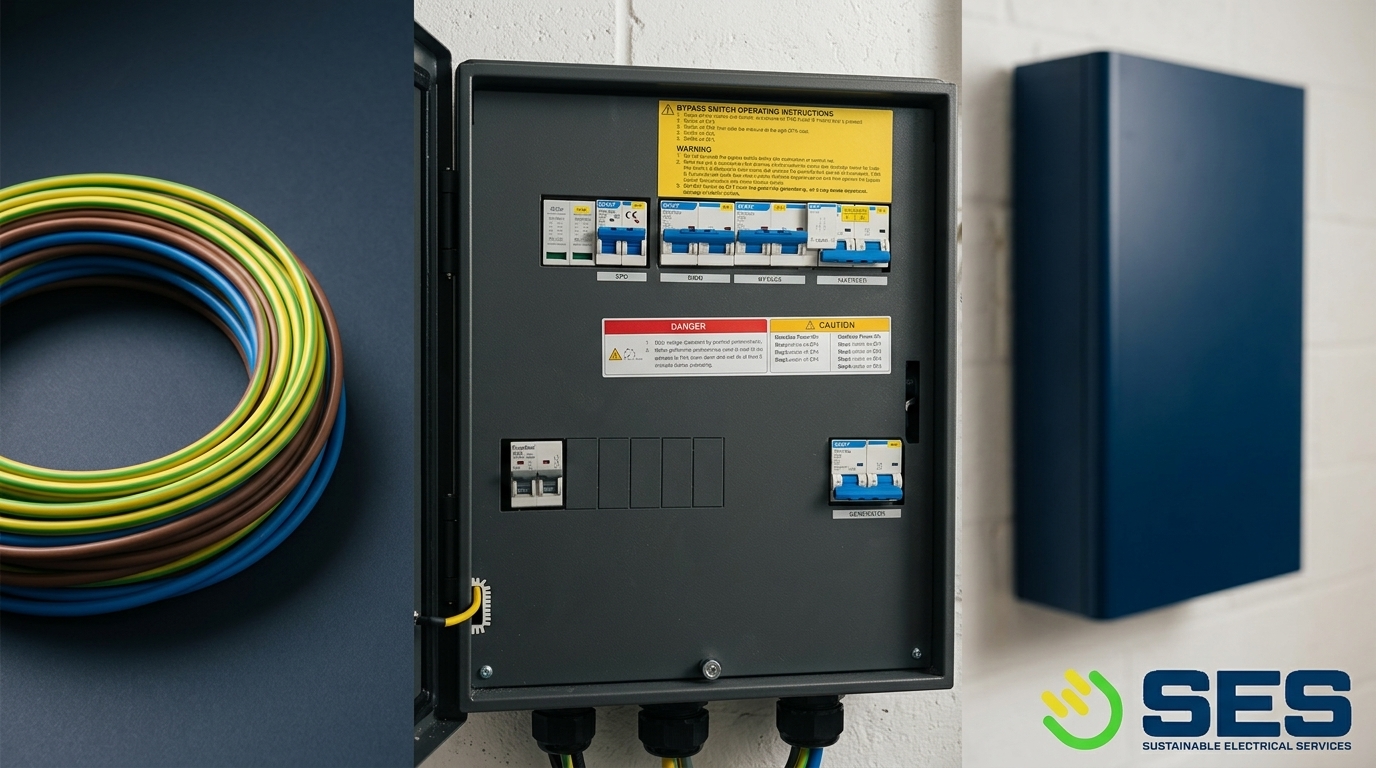
Inverters convert solar energy into usable electricity. Choosing the right one impacts system performance. There are string inverters, microinverters, and optimisers. Each has unique benefits. Microinverters can enhance performance in partially shaded areas, while string inverters are cost-effective for unshaded roofs.
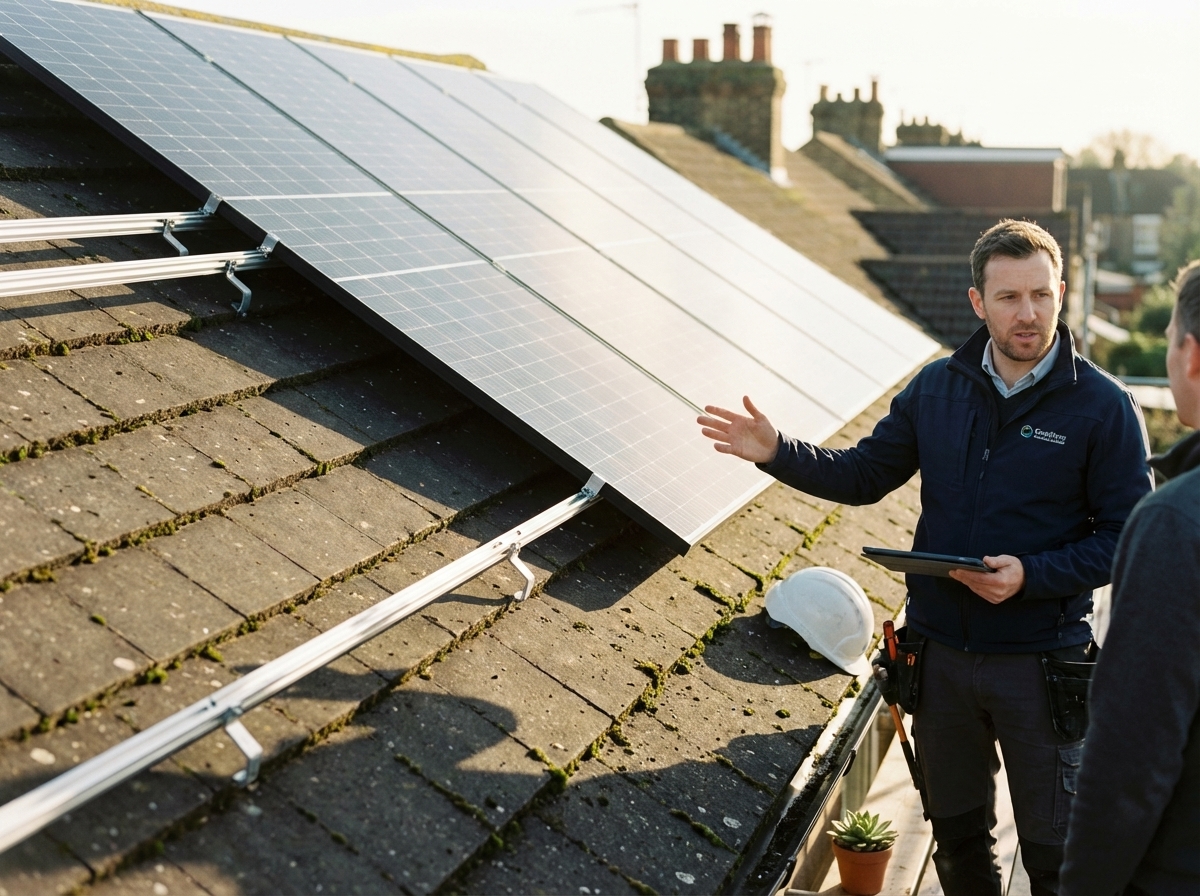
Mounting options vary too. Flat roof solar mounting systems are available for buildings without angled roofs. These systems tilt panels to capture optimal sunlight. Discuss with your installer about the best inverter and mounting combination to suit your property.
Considering EV Charger Integration
With electric vehicles on the rise, integrating an EV charger with your solar system is a forward-thinking choice. This setup allows you to charge your vehicle using solar power, cutting fuel costs and emissions. It’s a win-win for your wallet and the environment.
When planning for an EV charger, assess your daily driving range and vehicle type. Some chargers offer faster charging, which might be necessary for high-mileage drivers. This integration not only enhances convenience but also future-proofs your home for evolving transportation trends.
Planning and Financial Considerations
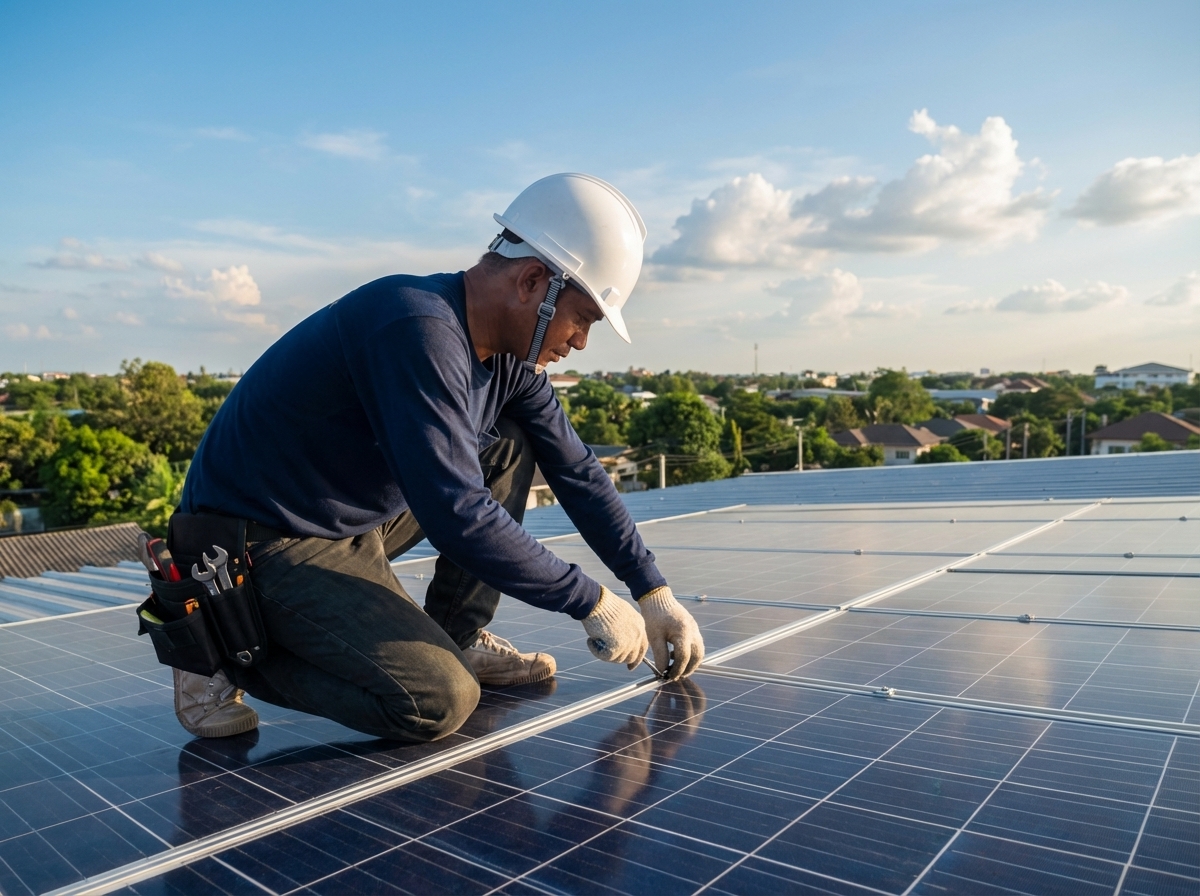
Planning goes beyond choosing components. It’s about aligning your solar investment with financial realities and future expectations.
Navigating Planning and DNO Applications
Before installation, you must handle planning permissions and DNO (Distribution Network Operator) applications. While not every project requires planning permission, it’s vital to check local regulations, especially in conservation areas.
DNO applications ensure your system integrates smoothly with the local grid. This step might seem daunting, but it’s essential for preventing future issues. Our team can assist you through this process, making it hassle-free. For more details on these applications, visit this link.
Budgeting for Solar Payback and ROI
Understanding the financial side is crucial. Solar systems are an investment with long-term benefits. Calculate the payback period by comparing upfront costs with yearly savings. Most systems pay for themselves within 6-10 years.
Factor in savings from reduced energy bills and potential earnings from the Smart Export Guarantee (SEG), which pays you for excess energy sold back to the grid. Clear financial planning ensures you maximise returns and enjoy lasting benefits.
Understanding Warranties and Maintenance
Warranties offer peace of mind. Most panels come with 25-year performance guarantees, but it’s wise to understand specifics. Inverters and batteries have shorter warranties, typically 5-10 years. Regular maintenance is key to longevity.
Engage with a reliable service provider for annual check-ups. This ensures your system operates efficiently and issues are caught early. A well-maintained system not only saves money but also extends its lifespan.
By following this comprehensive guide, you’re well-equipped to make informed decisions about solar solutions. For further support on your solar journey, contact our team for a no-obligation quote and personalised assessment. Our expertise ensures a seamless transition to sustainable energy, securing both savings and environmental benefits for your property.
Explore bespoke solutions that fit your needs and budget