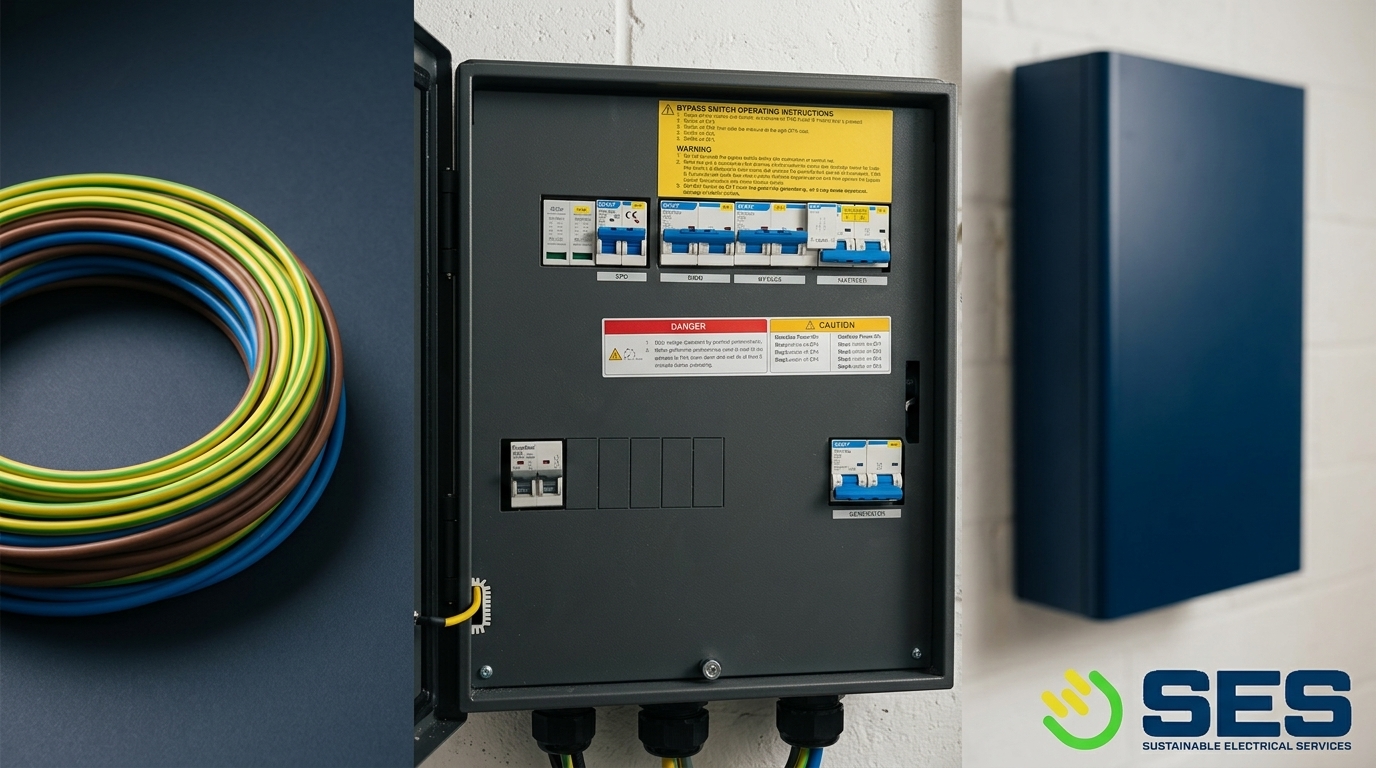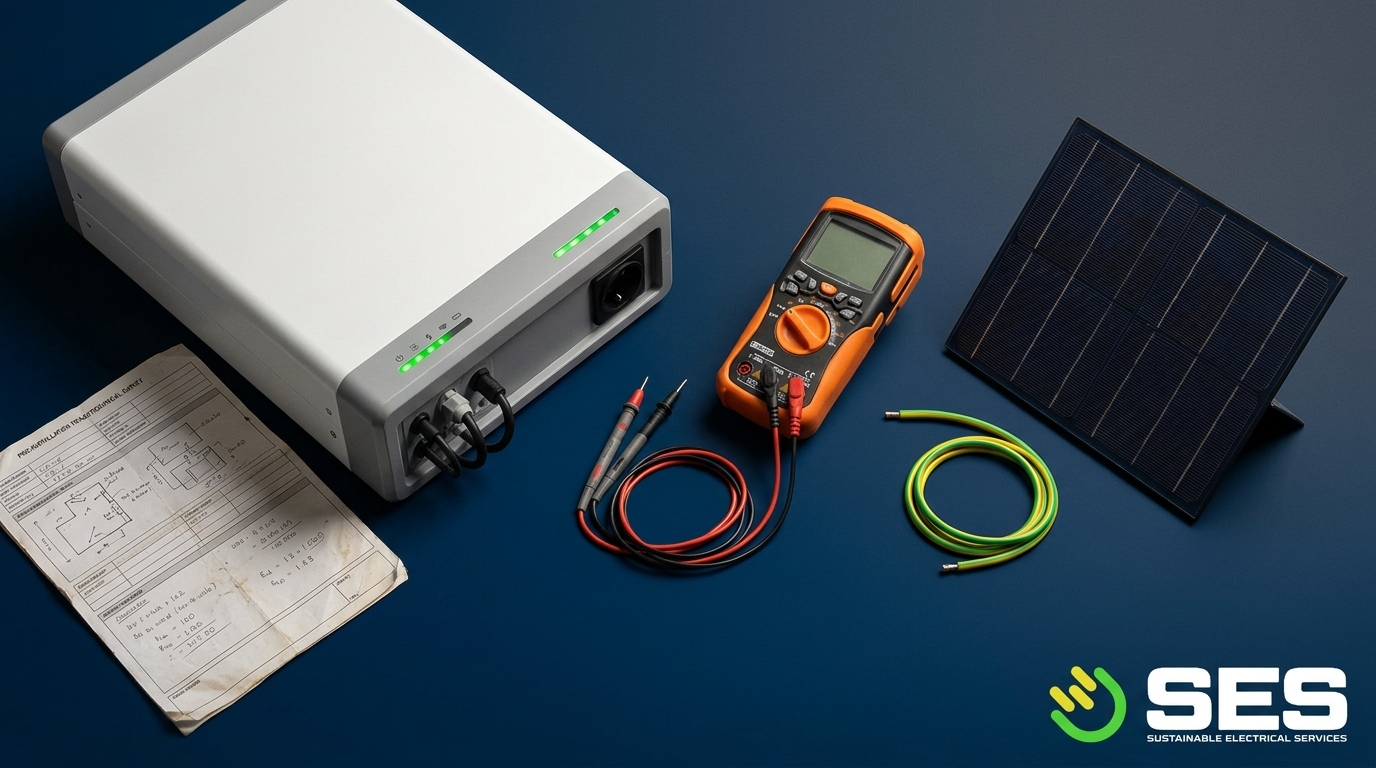
Most people think a home battery backup system is just about storing solar power. The truth is, its real value lies in delivering that power exactly when your home needs it most. With years of experience across London and Surrey, we know the best setups start by looking closely at your property’s energy use, roof space, and solar output—not just the hardware itself. In this guide, you’ll learn why sizing your battery around your home’s unique needs makes all the difference. For more insights on battery storage, you might find this homeowner’s guide to battery storage useful.
Understanding Home Battery Backup
A home battery backup is not just a storage device. It’s a way to power your home when you need it most. This section will guide you through the benefits, the UK market, and how it helps during power cuts.
Key Benefits for Homeowners
Imagine never worrying about sudden power outages. A battery backup keeps your home running smoothly. It stores energy from your solar panels or the grid, giving you electricity when the sun isn’t shining or there’s a power cut. This system can also save you money on energy bills by using stored power during peak times when electricity is more expensive.
With a battery backup, you’re in control. It lets you use more of your own solar power, reducing your reliance on electricity from the grid. This means lower energy bills and a smaller carbon footprint. Plus, knowing you have a backup during outages gives you peace of mind.
Solar Battery Storage in the UK
In the UK, solar battery storage is becoming more popular. Why? Because it lets homeowners make the most of their solar panels. Storing energy on sunny days means you can use it at night or during cloudy weather. This makes solar power more practical and cost-effective in our often overcast climate.
Battery storage systems are also great for those who want to be more eco-friendly. By using stored solar energy, you reduce your need for fossil fuels. This not only lowers your carbon footprint but also contributes to a cleaner planet. Plus, with government incentives and falling prices for solar technology, now is a great time to consider a battery storage system.
Energy Resilience During Power Cuts
Power cuts can be a real hassle, but a battery backup keeps your home running. When the grid goes down, your stored energy kicks in. This keeps your lights on, your fridge running, and your devices charged. It’s like having a generator, but quieter and more efficient.
Having energy resilience means you’re prepared for anything. Whether it’s a storm or maintenance work on the grid, you won’t be left in the dark. Plus, with modern systems, you can monitor your energy use and storage levels through a smart device, giving you complete control and peace of mind.
Designing Around Your Home
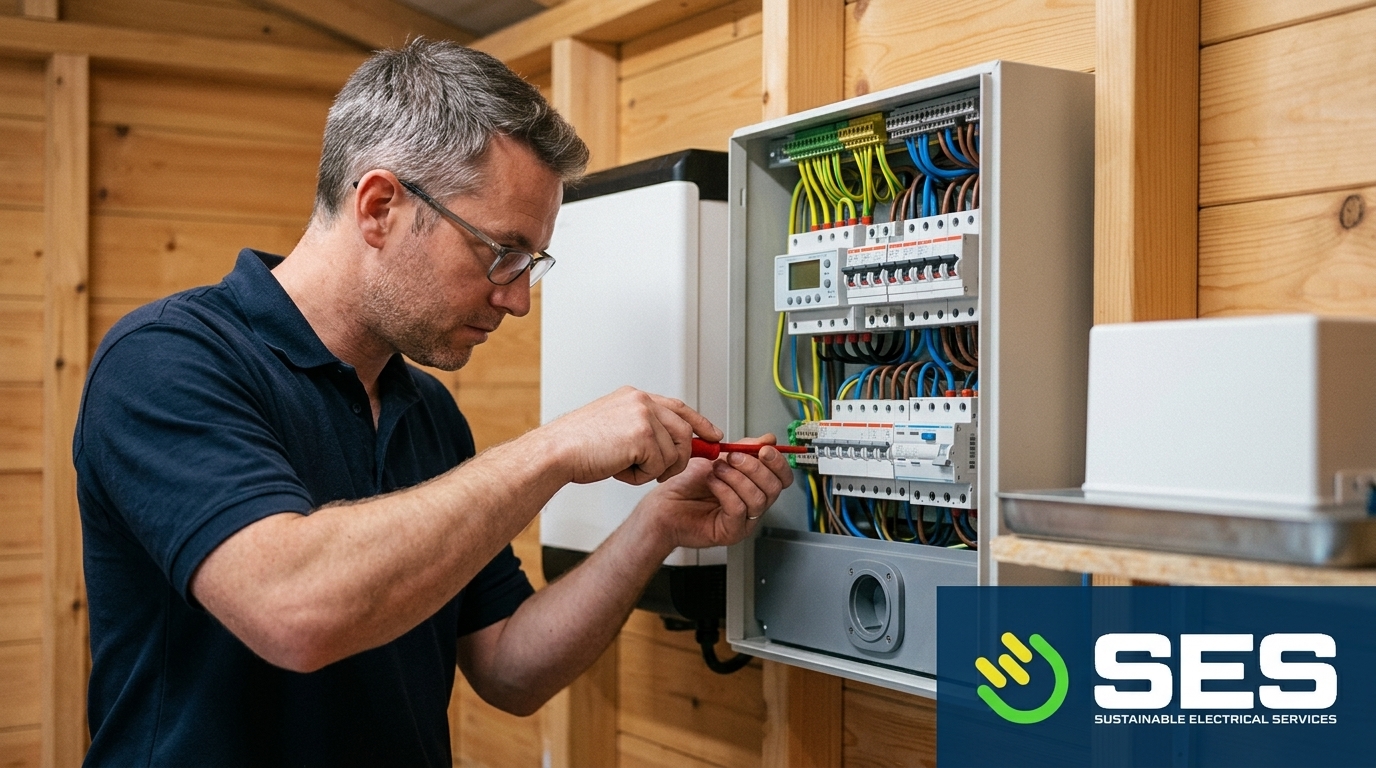
When it comes to battery systems, one size does not fit all. Designing a system that suits your home and lifestyle is key. This section explores how to tailor your battery size and integrate other technologies.
Tailored Battery Sizing for Homes
Choosing the right size battery for your home is crucial. Too small, and you won’t have enough power. Too large, and you might not be using it efficiently. The best approach is to assess your energy usage. Look at your electricity bills, and consider when you use the most power.
Think about your home’s specific needs. Do you have electric heating or an electric vehicle? These factors influence your battery size. By tailoring the system to your use, you maximise efficiency and savings. For more guidance, our article on Best Solar Battery for Home might be useful.
Integrating EV Charger Solutions
If you have an electric vehicle, integrating an EV charger with your battery system can be a game-changer. It allows you to charge your car with stored solar energy, cutting down on fuel costs and reducing emissions. This setup is not only eco-friendly but also cost-effective.
It’s important to consider the power needs of your EV when designing your system. You’ll want a battery that can handle the extra load. By working with an expert, you can ensure that your system is optimized for both home use and vehicle charging.
Hybrid Inverter vs AC-Coupled Systems
Choosing between a hybrid inverter and an AC-coupled system is an important decision. A hybrid inverter connects your solar panels and battery in one unit, making it a compact and often more affordable solution. However, it may not be as efficient in all situations.
On the other hand, an AC-coupled system can offer more flexibility. It allows for easier upgrades and can be more efficient in certain scenarios. The choice depends on your specific needs and future plans for your home’s energy system. Compare your options carefully to find the best fit.
Making the Most of Solar Power
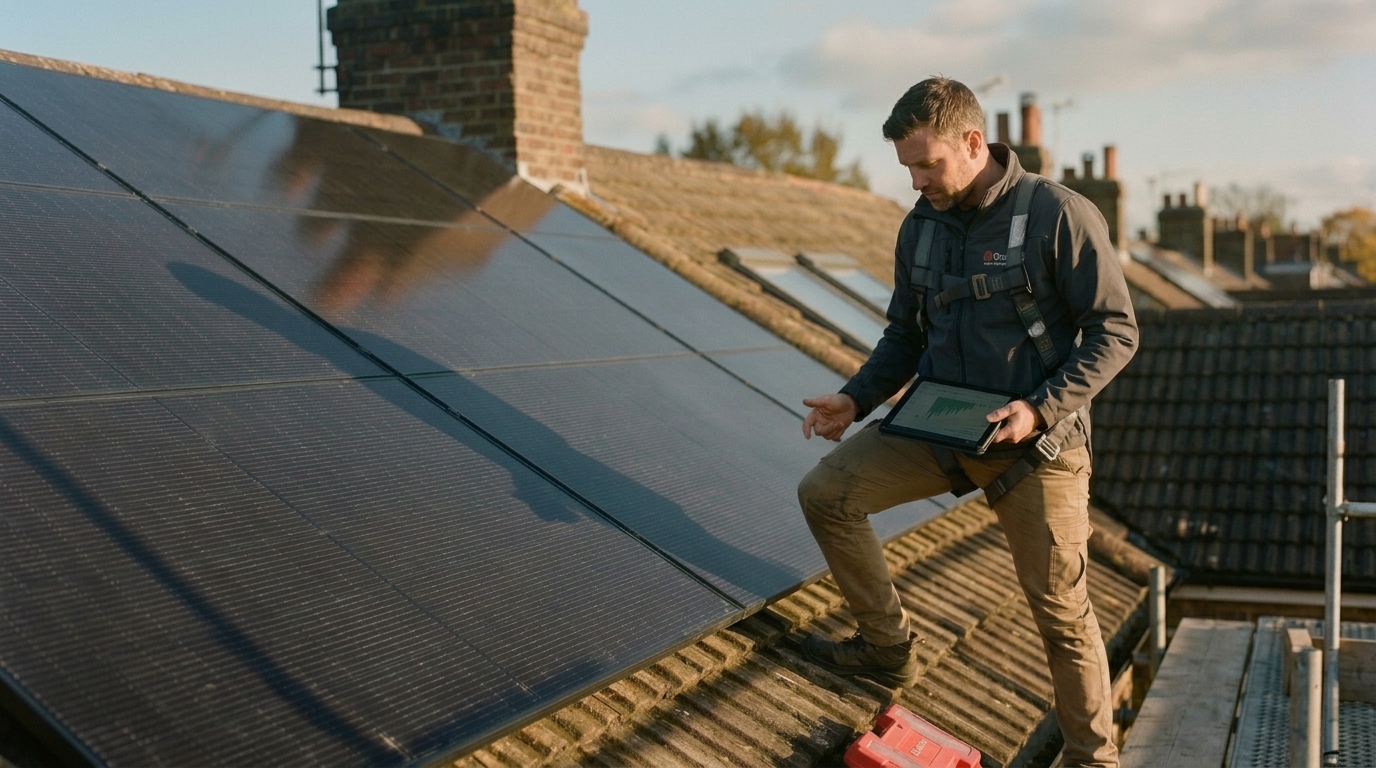
Harnessing solar energy efficiently is key to maximizing its benefits. This section will cover advanced techniques, including load shifting and smart home management.
Load Shifting and Time-of-Use Tariffs
Load shifting involves using stored energy during peak times when electricity is more expensive. By doing this, you can significantly reduce your energy bills. Time-of-use tariffs can help identify the best times to use your stored power, maximizing savings.
Think of load shifting like a smart energy strategy. By adjusting when you use electricity, you can take advantage of cheaper rates and make your solar power work harder. It’s a simple yet effective way to get the most out of your battery system.
Enhancing Solar Payback with Battery
A battery system can enhance the financial return on your solar panels. By storing excess solar energy, you can use it later, reducing the need to buy electricity from the grid. This improves your solar payback period, making your investment more worthwhile.
Consider this: without a battery, excess solar energy is often wasted. But with storage, you can use this energy when you need it most, like during the evening. This not only saves money but also ensures you’re using clean, renewable energy as much as possible.
Smart Home Energy Management Techniques
Smart home technology can take your energy management to the next level. By using smart apps and devices, you can monitor and control your energy use from anywhere. This gives you the power to make real-time decisions that can save you money and energy.
Imagine adjusting your energy settings from your phone while you’re out. You can decide when to use stored energy, monitor your solar output, and even control your heating. This technology makes managing your energy use easy and efficient, putting you in complete control.
Frequently Asked Questions
What is the main advantage of a home battery backup?
A home battery backup provides energy security during power cuts and helps reduce energy bills by using stored power during peak times. It maximizes the use of solar energy and reduces reliance on the grid.
How do I choose the right battery size for my home?
Start by assessing your energy usage patterns, including peak times and overall consumption. Consider any additional power needs, like EV charging, to tailor a system that fits your lifestyle and maximizes efficiency.
Why should I consider integrating an EV charger?
Integrating an EV charger allows you to use stored solar energy for your vehicle, reducing fuel costs and emissions. It creates a seamless eco-friendly solution, especially beneficial for those with electric vehicles.
What are the benefits of load shifting?
Load shifting helps you use stored energy during expensive peak times, reducing your electricity bills. It allows you to capitalize on time-of-use tariffs and make the most of your solar power.
How does smart home technology enhance energy management?
Smart home technology lets you monitor and control your energy use remotely. It enables real-time adjustments, making energy management more efficient and putting you in complete control of your household energy use.