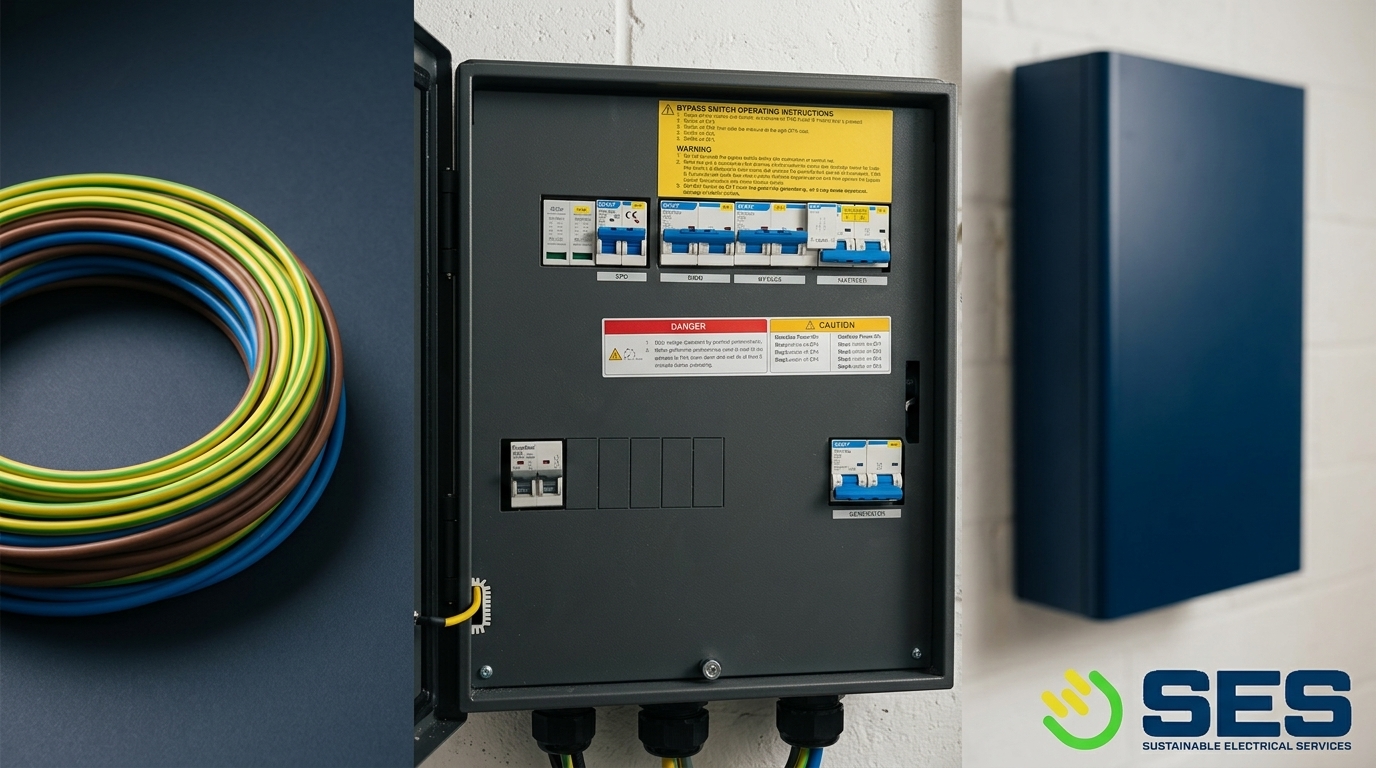
EV Charger Costs Explained: A London & Surrey Guide for Homes and Businesses
Installing an EV charger in London or Surrey can feel like navigating a maze of costs and options. You want to know the full picture—from hardware and installation to potential upgrades and software. This guide breaks down key price factors, explains available grants like the OZEV £500, and helps you understand what influences the EV charger cost UK homeowners and businesses face. Read on to get clear answers and find out how a tailored site survey can make your project straightforward and cost-effective. For more detailed discussions on costs, visit this link.
Understanding EV Charger Costs
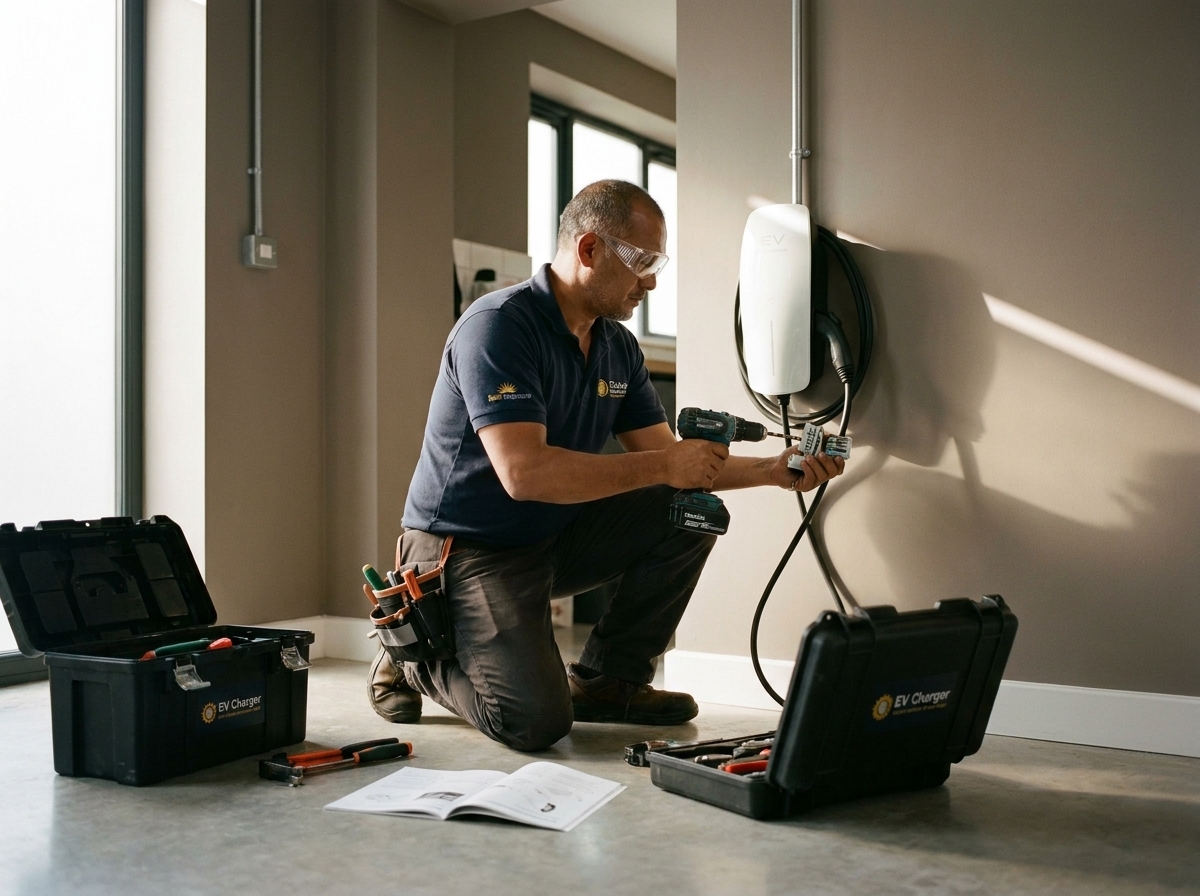
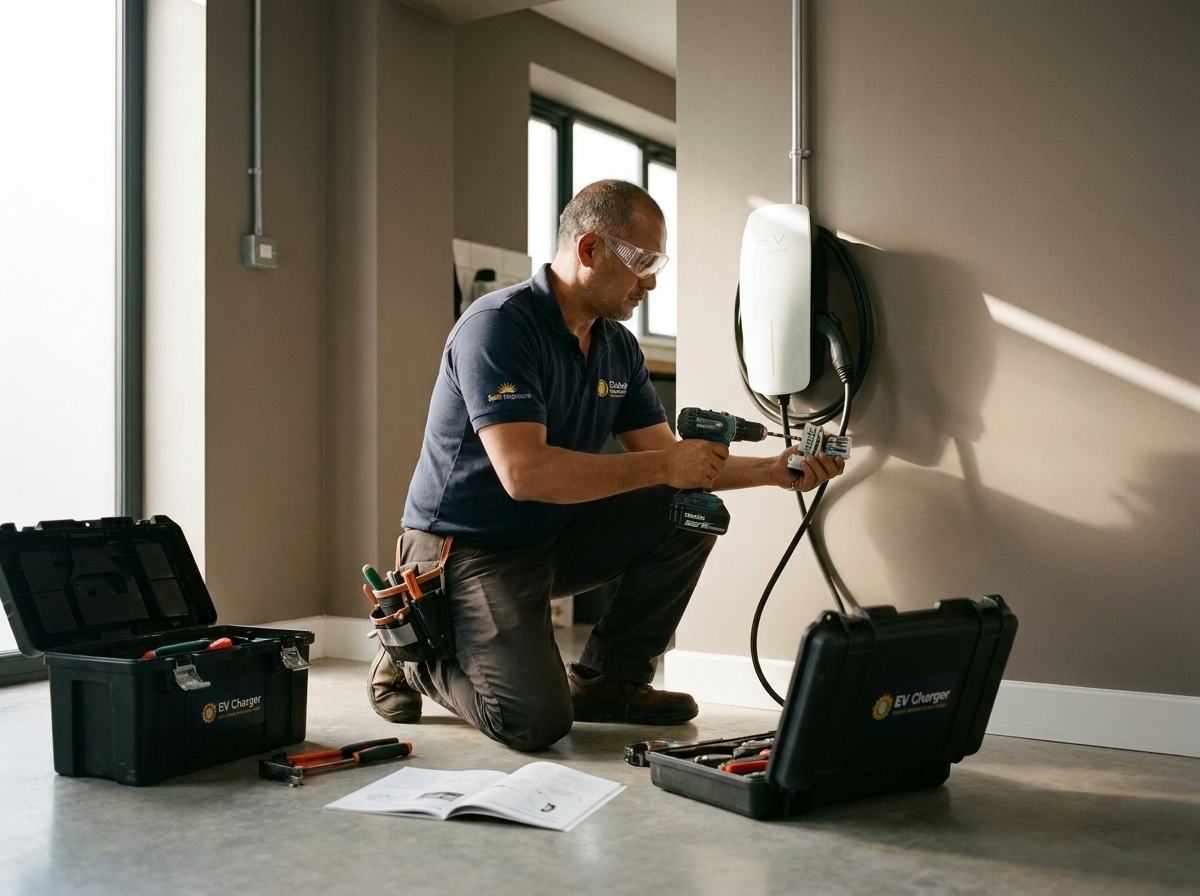
With the rise in electric vehicle ownership, understanding the costs involved in installing an EV charger is crucial. Let’s dive into the specifics of home and workplace charging costs and what influences them.
Home EV Charger Installation Costs
Adding an EV charger to your home can be a game-changer. But what should you expect to pay? Typically, the home EV charger installation cost in the UK ranges from £800 to £1,500. This price includes the hardware and professional installation.
If you’re considering a basic 3.6kW charger, the cost is often on the lower end. For a more powerful 7kW charger, expect to spend a bit more. The higher cost is offset by faster charging times. Some homeowners choose tethered chargers, which come with a cable attached. Others prefer untethered options, where you use your own cable. Each has its benefits, with tethered being more convenient. If you’re interested in more insights into home charging expenses, check out this article.
Workplace Charging Costs
For businesses, setting up EV chargers at the workplace can support sustainability goals and employee convenience. The workplace charging costs depend on the charger type and the number of units. Installation costs for a standard 22kW charger can range from £1,000 to £2,500 per unit.
Consider the number of employees who will use the chargers. This can impact the total cost significantly. Installing multiple chargers might seem pricey, but it can offer long-term benefits like improved employee satisfaction. If your business is in London or Surrey, the proximity to urban areas can influence installation complexity and cost. Learn more about installation costs from this source.
Key Price Drivers for EV Chargers
Several factors drive the cost of EV chargers. First, the type of charger: a 7kW home charger is cheaper than a 22kW workplace charger. Second, the installation location: urban areas may have higher costs due to accessibility issues.
Upgrading your home’s consumer unit may be necessary, adding to the expenses. Also, if you opt for smart chargers, they might cost more initially but can save money on electricity by allowing off-peak charging. Always factor in potential software upgrades and maintenance fees.
Grants and Financial Assistance
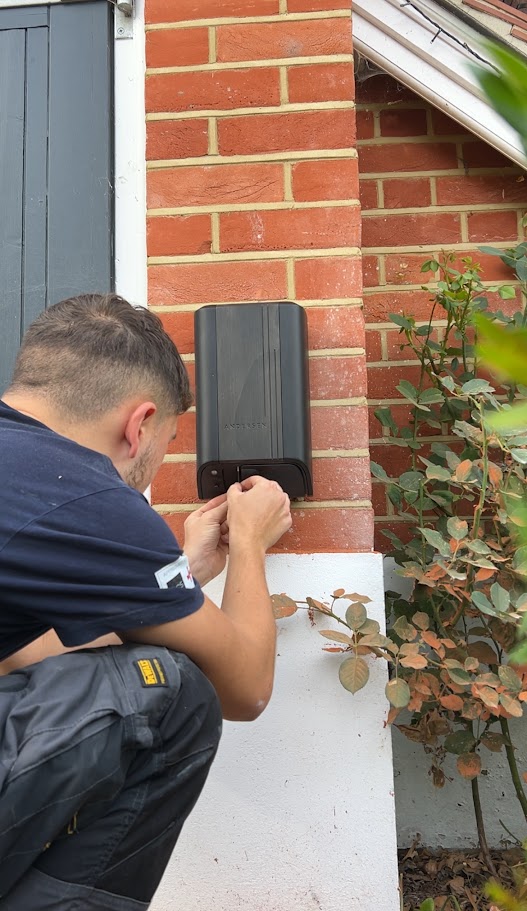
While costs can be daunting, several grants and financial aid options are available to ease the burden. Discover how you can save money on your EV charger installation.
The OZEV Grant £500
The OZEV Grant offers a £500 reduction on the cost of installing an EV charge point. This grant is a great way to lower your home EV charger installation cost. It’s available to homeowners who have dedicated off-street parking.
This grant requires a few eligibility checks, but it’s worth the effort. It can significantly reduce your initial outlay. Applying is straightforward, and many installation providers assist with the process. This grant ensures more homeowners can embrace eco-friendly transport without breaking the bank.
EV Chargepoint Grant for Homes
Another helpful financial aid is the EV Chargepoint Grant for homes. This grant caters to people living in rented properties or flats, making EV ownership more accessible.
Eligibility depends on property type and parking availability. This grant can cover up to 75% of the installation cost, capped at £500. The goal is to expand EV accessibility across diverse living situations. It encourages more people to consider electric vehicles by reducing upfront barriers.
Workplace Charging Scheme Benefits
For businesses, the Workplace Charging Scheme offers significant savings. This scheme provides financial support for installing up to 40 charge points across different sites.
Eligibility requires that your business has adequate off-street parking and a need for EV charging. This scheme can cover up to £14,000 in total, making it an attractive proposition for companies. It’s a practical step towards meeting sustainability goals and enhancing workplace amenities.
Tailored Solutions and Expert Guidance

Choosing the right EV charger is just the start. Tailored solutions and expert guidance ensure your installation is smooth and efficient.
Installation Survey for EV Chargers
An installation survey is critical for identifying your specific needs. It helps pinpoint the best location for your charger and assesses your electrical system’s capacity.
This survey can reveal whether upgrades, like a consumer unit upgrade, are necessary. It’s a proactive approach to preventing future issues. A professional survey provides peace of mind, ensuring your setup is both safe and effective.
DNO Notification and Load Management
When you install an EV charger, notifying your Distribution Network Operator (DNO) is essential. This step ensures the network can handle the additional load.
Load management is another key aspect. It prevents overloading your home’s electrical system by balancing usage. This can be crucial in avoiding blackouts and ensuring consistent power availability for charging.
Solar and Battery Integration Options
Consider integrating solar panels and battery storage with your EV charger. This combination can maximize energy use and reduce costs.
Charging your EV with solar power cuts reliance on the grid and lowers electricity bills. Battery storage adds flexibility, enabling energy use during peak times. This integration is not only cost-effective but also environmentally friendly. For further insights, visit this link.
In conclusion, understanding the costs and options for EV charger installation can make the process less daunting. By leveraging available grants and expert guidance, you can make informed decisions that align with your budget and sustainability goals.
Start the new year strong with expert advice and early project booking.